


Plastic Additive
Nantong Kezhong Chemical Technology Co.,Ltd. is a professional supplier of organic peroxides, acyl chloride series and basic chemicals. Our Co-operative Factory, Jiangxi Yuhang New Materials Co.,Ltd., is located in Yichun, Jiangxi province, with a total investment of 300 million yuan. The company is committed to providing competitive products and perfect solutions for users at home and abroad.

Why Choose Us
Production Equipment
The company has four professional organic peroxide production lines and one multi-function production line.
Professional Team
We have a professional team to ensure product quality. If the customer encountered problems in the follow-up production, we can provide professional engineers to solve the problem.
Production Market
The company has self import and export qualification, and is committed to providing competitive products and perfect solutions for users at home and abroad. The products sell well in Chinese Mainland, Chinese Taiwan, Europe, America, India and other countries and regions.
Quality Guaranteed
We have been continuously researching and innovating to meet the needs of different customers. At the same time, we always adhere to strict quality control to ensure that the quality of every product meets international standards.
Advantages of plastic additive
Plastic additives are often initially considered for improved processing. These additives are combined with the plastic to improve the material’s processability. Often, internal and external lubricants are added to offer flow enhancement and increased productivity, aid in mold release, and eliminate build-up.
Flame retardant additives are very commonly used in electrical elements because they delay or even prevent combustion. There are different flame retarded additives, and they can be used in a variety of ways, including adding during processing or after processing as a final product.
Plasticity is the ability of plastic to be molded or shaped without breaking. Plasticizers are one of the most common additives used to enhance the plasticity of plastic. They are added to plastic to increase its flexibility and make it easier to mold. Plasticizers are used in a wide range of products, including toys, food packaging, and medical devices.
Plastic additives are instrumental in bolstering the resilience and robustness of plastic materials, ensuring their longevity and endurance. Additives like stabilizers and antioxidants shield plastics from degradation triggered by environmental elements such as heat, light, and chemicals, thereby prolonging their lifespan.
The incorporation of masterbatches and colorants allows for the enhancement of the aesthetic appeal of plastic products. With a wide array of color options and visual effects available, manufacturers can create products that cater to diverse consumer preferences and market demands.
Application of plastic additive
Packaging industry
Plastic additives are used to improve the performance and functionality of plastic packaging materials, ensuring durability, flexibility, and protection against degradation caused by heat, light, and oxidation.

Automotive industry
Plastic additives play a crucial role in enhancing the performance and durability of plastic components used in vehicles, including flame retardants for safety compliance, fillers for strength and impact resistance, and UV stabilizers for protection against heat and UV radiation.
Construction industry
In the construction sector, plastic additives are utilized to enhance the durability and weather resistance of plastic materials used in applications such as pipes, fittings, insulation, and roofing.
Electricity industry
Plastic additives find applications in the electronics industry for the manufacturing of casings, connectors, and circuit boards, providing properties like antistatic protection, flame retardancy, and resistance to heat and UV radiation.
Consumer good industry
Plastic additives are extensively used in the production of consumer goods such as toys, household appliances, and furniture to enhance aesthetics, flexibility, and longevity, while also providing protection against heat, oxidation, and UV degradation.
Healthcare and medical devices
In the healthcare and medical devices sector, plastic additives are instrumental in ensuring the safety, hygiene, and functionality of medical products and equipment. Additives providing antimicrobial properties contribute to the prevention of bacterial and fungal growth on medical surfaces, reducing the risk of healthcare-associated infections and ensuring the safety of patients and healthcare professionals.
Specifications of pentaerythritol stearate
|
Testing items |
Specifications |
Results |
|
Appearance Form |
White Powder |
White Powder |
|
Saponification Value(mg KOHg/g) |
188~202 |
193.45 |
|
Acid Value(mg KOH/g) |
≤1.5 |
0.82 |
|
Hydroxyl value |
≤25.0 |
12.21 |
|
Melting point |
≥59 |
61.6 |
|
Iodine Value(g l2/100g) |
≤1.0 |
0.36 |
|
Water(%)max. |
≤2.0 |
0.05 |
|
Conclusion |
Qualified |
|
|
Colorimeter |
Y:3.1 |
R:1.4 |
Types Of Plastic Additives
Stabilizers
UV stabilizers: These additives protect plastics from the damaging effects of ultraviolet (UV) radiation, such as discoloration, degradation, or loss of strength.
Heat Stabilizers: These additives help in maintains its characteristic when heated as during processing or as the product is in use. They alleviate problems like heat treatments which usually results into reduction of mechanical properties.
Antioxidants: Antioxidants prevent the degradation of plastics caused by exposure to oxygen, thus extending their lifespan and preserving their physical properties.
Plasticizers
Plasticizers increase the flexibility and workability of plastics. They reduce the brittleness and make the material more pliable and easier to process. Common plasticizers include phthalates.mers can browse and purchase seamlessly, no matter where they are.Foreign trade websites have become an effective tool for businesses to expand into international markets, playing a vital role in the global economy.
Flame retardants
These additives improve the fire resistance of plastics by reducing their flammability and slowing down the spread of flames.
Colorants
Colorants are additives that provide pigmentation to plastics, giving them a desired color or appearance.
Fillers
Fillers are additives used to modify the mechanical properties of plastics. They can improve stiffness, strength, and dimensional stability while reducing costs.
Lubricants
Lubricants are added to plastics to improve their processability by reducing friction during molding or shaping.
Impact modifiers
These additives enhance the impact resistance of plastics, making them less prone to cracking or breaking under stress.
Antistatic agents
Antistatic additives reduce or eliminate static electricity buildup on the surface of plastics, making them less likely to attract dust or cause electric shocks.
Foaming Agents
Foaming agents are another common additive used in plastics processing. The idea behind these foaming agents is to reduce weight, cycle time, and to prevent sink marks from forming.
Coupling agent
The main function of coupling agent is to improve the interfacial properties between filler and polymer material.It can reduce the viscosity of synthetic resin melt in the process of plastics processing, improve the dispersion of filler to improve processing performance.
Cross-linking agents
Crosslinking agent is mainly used in polymer materials (rubber and thermosetting resin).The role of the crosslinking agent is to produce chemical bonds between the linear molecules, so that the linear molecules are connected to each other to form a mesh structure.
Storage
Store in a closed container in a cool, dry place.
Refer to the manufacturer's certificate for specific storage and transport temperature conditions.
Store containers in a well-ventilated area. Keep away from sources of ignition and heat.
Packaging and Shipping
Special packaging is available on request.


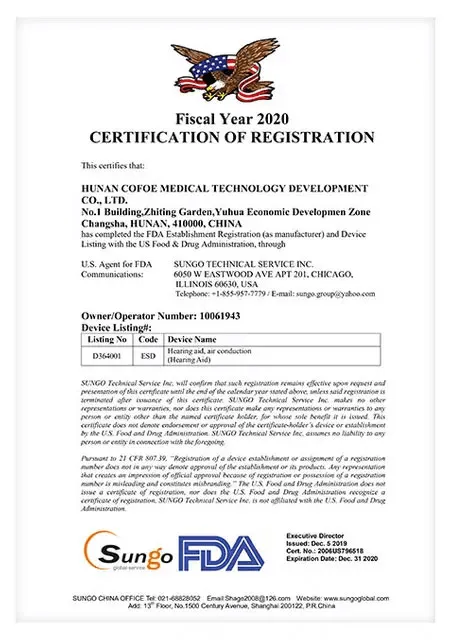
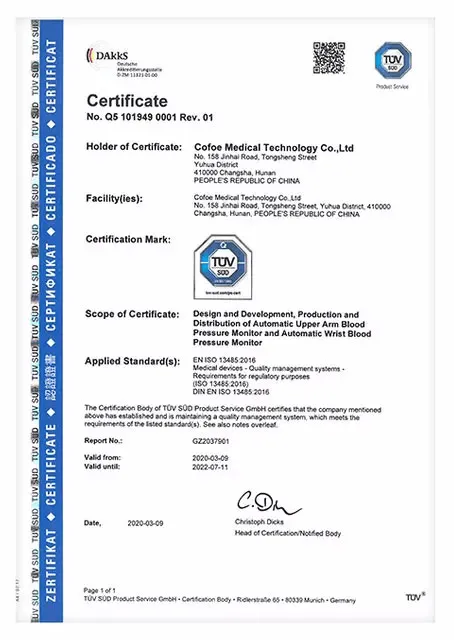
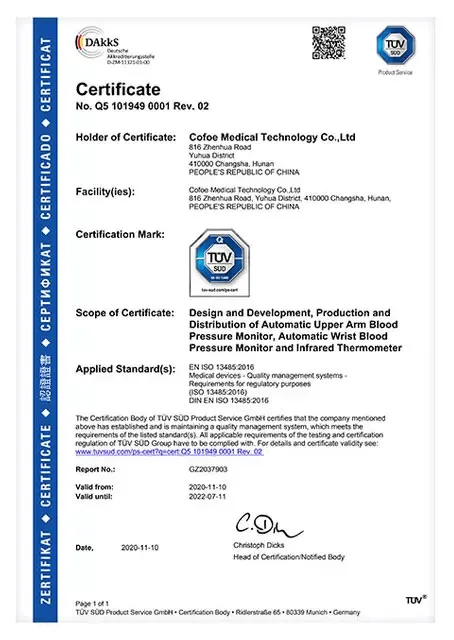
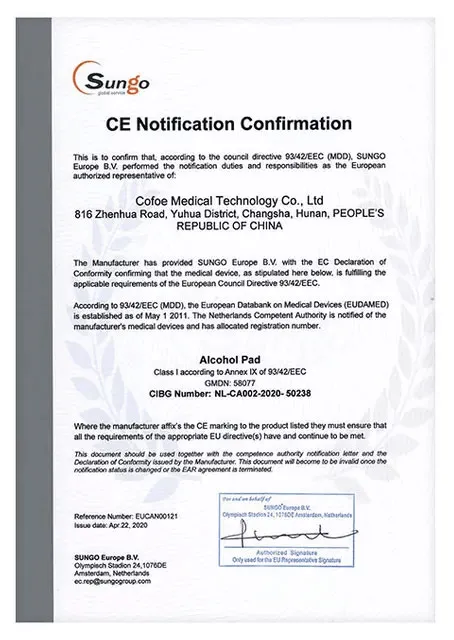
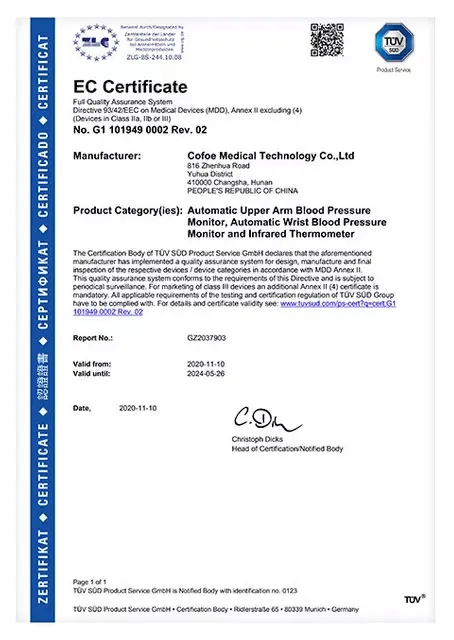
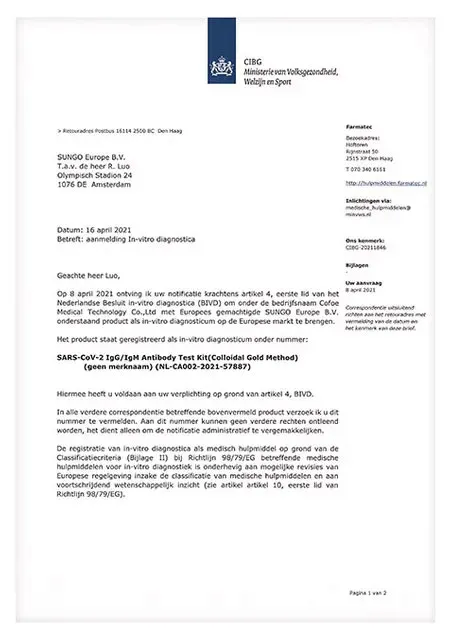
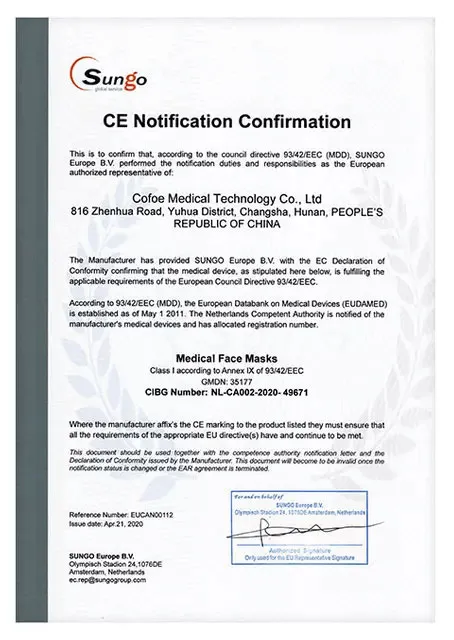
Our Certificates
FAQ
As one of the leading plastic additive manufacturers and suppliers in China, we warmly welcome you to buy high-grade plastic additive made in China here from our factory. All our products are with high quality and competitive price.
MEKP CAS 1338 23 4 Methyl Ethyl Ketone Peroxide, Tert butyl monoperoxymaleate, EPDM crosslinking