


Organic Peroxides
Your Professional Organic Peroxides Supplier!
Nantong Kezhong Chemical Technology Co., Ltd. is a professional supplier of organic peroxides, acyl chloride series and basic chemicals.
Strong Production Capacity
The company has four professional organic peroxide production lines and one multifunctional production line. The products are sold well in mainland China, Taiwan, Europe, the United States, India and other countries and regions.
Product Application
Organic peroxides are mainly used as polymerization initiators, and acyl chloride series and basic chemicals are basic chemical raw materials used to produce other chemical products.
Rich experience
The company has more than 10 years of experience in this field.
Quick Response
We promise to respond to your inquiry within 24 hours to ensure that you receive the information and support you need in a timely manner.




Features of Organic Peroxides
Instability
Organic peroxides are generally unstable and prone to decomposition. Decomposition releases oxygen and other reactants, such as free radicals, which requires special care when storing and handling them.
Oxidant properties
Organic peroxides have strong oxidizing properties and can be used in a variety of oxidation reactions. This property makes them widely used in synthetic chemistry.
Thermal sensitivity
Organic peroxides are very sensitive to heat, friction and impact. They are prone to spontaneous decomposition at high temperatures or when stimulated by external energy, so special measures are required during storage and transportation.
Diversity
There are many types of organic peroxides, and different organic peroxides have their own characteristics in structure, reactivity and application.
Corrosiveness and toxicity
Some organic peroxides may be corrosive and toxic, and appropriate safety precautions must be taken when handling them.
Wide range of uses
In addition to being used in polymerization reactions, organic peroxides are also used in many fields such as pharmaceuticals, cosmetics, coatings and preservatives.
Cosmetic Industry
Some organic peroxides are used in cosmetics for hair bleaching and perming processes.
Textile, Pulp and Paper Industry
In the textile, pulp and paper industry, organic peroxides are used as bleaching agents to remove color or impurities from materials.
Crosslinking Agents For Wood And Plastics
When making composite materials or modifying plastics, organic peroxides can be used for crosslinking to enhance the strength and heat resistance of materials.
Medicine and Biotechnology
Some organic peroxides are used in the pharmaceutical field to synthesize active pharmaceutical ingredients or for certain reactions in biotechnology.
Agriculture
Some organic peroxides are used in the synthesis of pesticides and fertilizers to help improve crop growth and yield.
Laboratory reagents
In chemical analysis and laboratory research, organic peroxides can be used as reagents for specific reactions or to synthesize new compounds.
Oil and Gas Industry
Organic peroxides are sometimes used in the oil and gas industry to improve oil recovery by breaking down viscous oil.
Types Of Organic Peroxides

Dialkyl Peroxides
These peroxides have two alkyl groups attached to a peroxide linkage. Examples include di-tert-butyl peroxide and dicumyl peroxide. They are often used as initiators in polymerization reactions.
Benzoyl Peroxide
This type has a benzoyl group attached to the peroxide. Benzoyl peroxide is commonly used as a bleaching agent and in acne treatment products due to its antibacterial properties.
Diperoxy Compounds
These contain two peroxide groups. They are less common but can be found in certain reagents used in organic synthesis.
Peracids
Although not traditional peroxides, peracids are organic compounds that contain a peroxide link and a carboxylic acid functional group. Peracetic acid is a well-known example.
Alkyl Peroxides
These consist of an alkyl group attached to a single peroxide. They are used in various chemical processes, including the synthesis of polymers.
Acyloxy Peroxides
These contain an acyloxy group (RCOO) attached to a peroxide linkage. They can serve as radical initiators in polymerization.
Hydroperoxides
These compounds contain the –O–O–H (hydroperoxide) functional group. They are often reactive and can act as oxidizing agents.
Ketone Peroxides
These feature a ketone group along with the peroxide functional group. They are used in some specific applications in synthetic organic chemistry.

Process of Organic Peroxides
1.Reaction of Alcohols with Hydrogen Peroxide: Combining alcohols with hydrogen peroxide in the presence of acid catalysts.
2.Autoxidation: Allowing organic compounds to react with molecular oxygen, leading to peroxide formation.
3.Peroxide Forming Reagents: Using reagents specifically designed to form peroxides in a controlled manner, such as the reaction of acyl chlorides with hydrogen peroxide.
After synthesis, organic peroxides may need purification to remove unreacted starting materials and byproducts. Common purification methods include:
1.Distillation: Careful fractional distillation under controlled conditions.
2.Crystallization: Where applicable, to isolate solid peroxides.
1.Spectroscopic Techniques: Methods like NMR, IR, and UV-Visible spectroscopy.
2.Chemical Analysis: Assessing the peroxide content and purity using titration methods or chromatography.
1.Temperature Control: Many peroxides should be stored in cool conditions, often between 0-10°C.
2.Light Protection: Storing in opaque or dark containers to prevent degradation from light exposure.
3.Inert Atmosphere: Some peroxides may need to be stored in an inert (e.g., nitrogen-filled) environment to prevent decomposition.
1.Personal Protective Equipment (PPE): Use gloves, goggles, and protective clothing.
2.Safe Practices: Keep away from sources of ignition, extreme temperatures, and incompatible materials (e.g., strong acids or bases).
3.Emergency Procedures: Equip the workspace with proper spill kits and know the procedures for handling peroxide-related incidents.
1.Neutralization: Often involves safely decomposing the peroxide before disposal.
2.Waste Management: Ensure compliance with local regulations for hazardous waste disposal.
Packaging and Shipping of Organic Peroxides
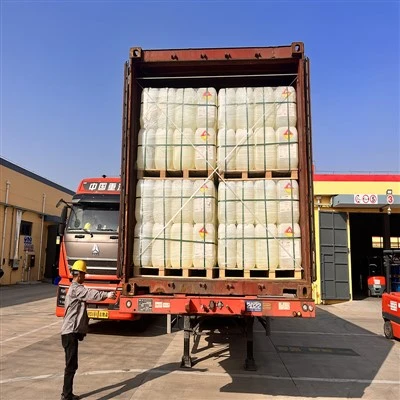
1. Transportation Regulations:Always adhere to local, national, and international regulations.
2. Classification: Ensure organic peroxides are correctly classified and labeled according to their specific hazard classes.
3. Safety Data Sheets (SDS): Provide an up-to-date SDS with all shipments that detail the risks, safe handling, and emergency procedures.
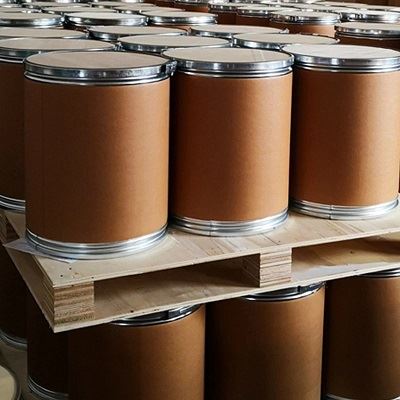
1. Container Selection: Use containers specifically designed for organic peroxides.
2. Sealing and Closure: Ensure that all containers are tightly sealed to prevent leakage and minimize the risk of decomposition. Use appropriate seals and corrosion-resistant materials.
3. Secondary Containment: Include a secondary containment system (such as a plastic tray) to catch any leaks or spills.
1. Hazard Labels: Clearly mark the packaging with appropriate hazard labels that recognize the risks associated with organic peroxides, including flammable, oxidizer, and health hazard symbols.
2. Handling Instructions: Add clear handling instructions and emergency contact information.
1. Documentation: Prepare all necessary shipping documents, including a declaration of Dangerous Goods when required.
2. Temperature Control: If necessary, ensure that products are shipped in temperature-controlled environments, as many organic peroxides can become unstable under certain conditions.
3. Transportation Mode: Choose the appropriate shipping method (air, road, sea) based on the regulations applicable to the specific organic peroxide.
1. Emergency Response Guide: Provide an emergency response guide with the shipment that includes information on handling spills, leaks, and exposure incidents.
2. Training: Ensure that all personnel involved in the shipping and handling of organic peroxides are adequately trained in emergency response and safety protocols.
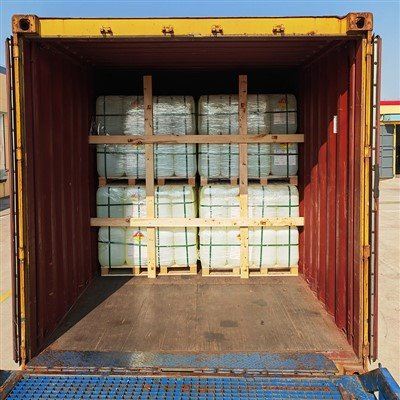
1. Regular Inspections: Perform regular inspections of all containers and packaging materials to ensure they are intact and suitable for transport.
2. Handling Protocols: Implement strict protocols for handling to prevent accidents and exposure.
1. Storage Conditions: Store organic peroxides in a cool, dry, well-ventilated area that is away from direct sunlight and incompatible materials.
2. Inventory Management: Keep track of shelf life and perform regular inventory checks to avoid keeping expired materials.
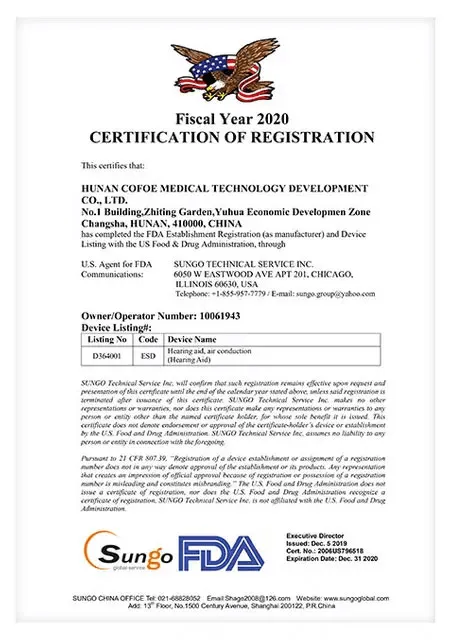
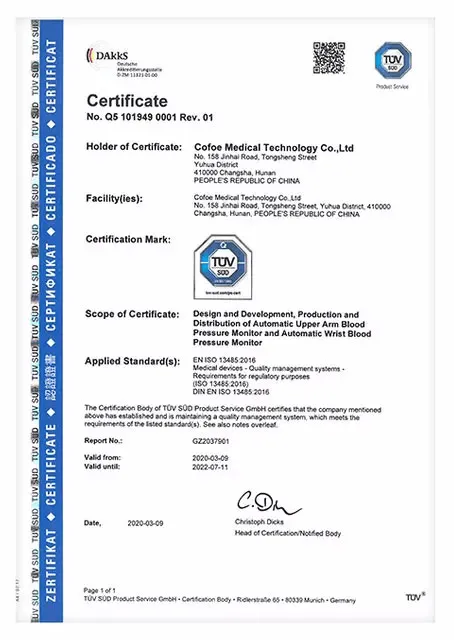
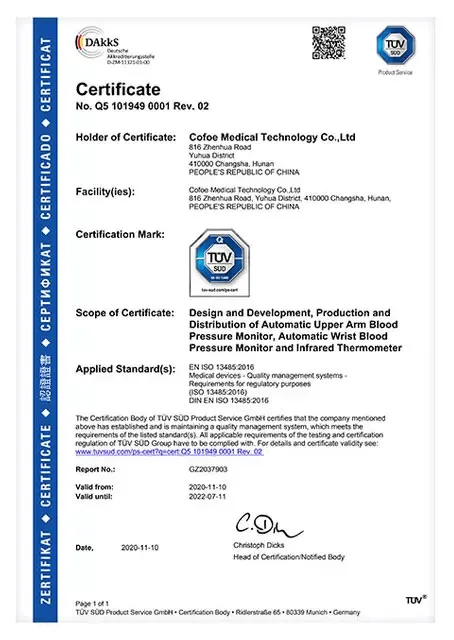
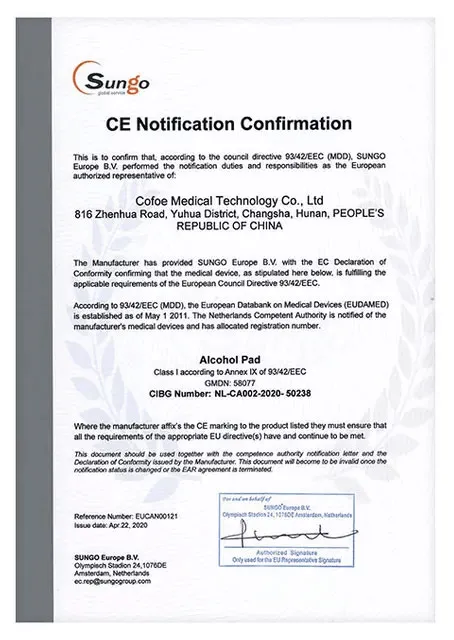
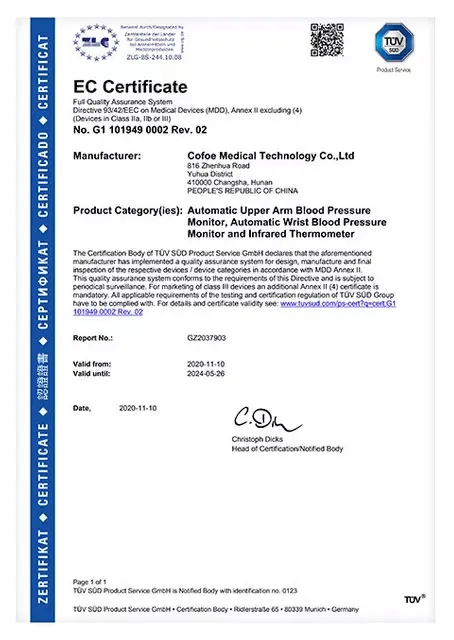
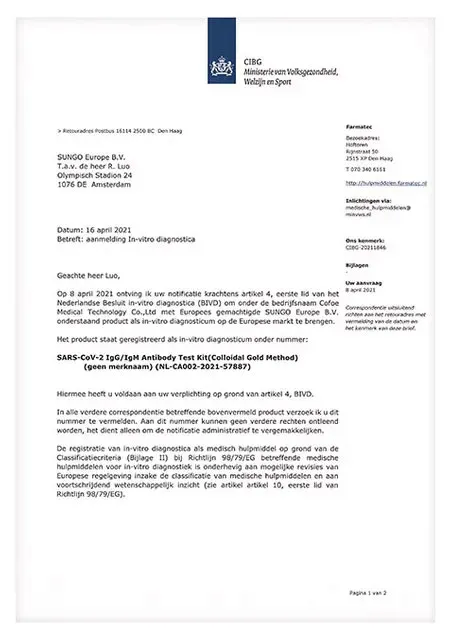
Our Certificates

Frequently Asked Questions
As one of the leading organic peroxides manufacturers and suppliers in China, we warmly welcome you to buy high-grade organic peroxides made in China here from our factory. All our products are with high quality and competitive price.
organic peroxides for flame retardant materials, organic peroxides for crosslinking, organic peroxides for fruit and vegetable processing