





As a supplier of CAS 78 - 63 - 7, which refers to Isopropyl Alcohol (IPA), I am well - aware of both its wide - ranging applications and the potential environmental impacts it may have. In this blog, I will delve into the various aspects of the environmental effects of this chemical.
Physical and Chemical Properties of Isopropyl Alcohol
Isopropyl alcohol is a colorless, flammable liquid with a strong odor. It is miscible with water, ethanol, ether, and chloroform. Its molecular formula is (C_{3}H_{8}O), and it has a relatively low boiling point of about 82.6 °C. These properties make it a popular solvent in many industrial and household applications.
Production and Emissions
The production of isopropyl alcohol typically involves the hydration of propylene. This process can generate emissions into the air, water, and soil. During the manufacturing process, if not properly controlled, volatile organic compounds (VOCs) can be released into the atmosphere. These VOCs can react with nitrogen oxides in the presence of sunlight to form ground - level ozone, a major component of smog. Ground - level ozone is harmful to human health, causing respiratory problems, and can also damage plants, reducing crop yields and harming natural ecosystems.
In addition, wastewaters from the production facilities may contain traces of isopropyl alcohol and other by - products. If these wastewaters are discharged without proper treatment, they can contaminate water bodies. Aquatic organisms are sensitive to the presence of chemicals in water. Isopropyl alcohol can disrupt the normal physiological functions of fish, invertebrates, and aquatic plants. For example, it may interfere with the respiratory systems of fish, leading to reduced oxygen uptake and ultimately death in high concentrations.
Usage and Environmental Impact
Industrial Use
Isopropyl alcohol is widely used as a solvent in the pharmaceutical, electronics, and chemical industries. In the electronics industry, it is used for cleaning printed circuit boards. When used in large - scale industrial processes, there is a risk of accidental spills. Spilled isopropyl alcohol can seep into the soil, where it can affect soil microorganisms. These microorganisms play a crucial role in soil fertility, nutrient cycling, and the decomposition of organic matter. A decrease in their activity can lead to a decline in soil quality, which in turn can impact plant growth.

Household Use
In households, isopropyl alcohol is commonly used as a disinfectant and cleaning agent. When used indoors, the evaporation of isopropyl alcohol can increase the concentration of VOCs in the air. Prolonged exposure to high levels of indoor VOCs can cause headaches, dizziness, and irritation of the eyes, nose, and throat. Moreover, when the used cleaning solutions are washed down the drain, they can end up in wastewater treatment plants. Although modern wastewater treatment plants are designed to remove many contaminants, isopropyl alcohol may not be completely removed, and it can still enter water bodies through the treated effluent.
Degradation and Persistence
Isopropyl alcohol is biodegradable under aerobic conditions. In the environment, it can be broken down by microorganisms into carbon dioxide and water. However, the rate of degradation depends on various factors such as temperature, pH, and the availability of oxygen. In anaerobic environments, such as in deep sediments or in some industrial waste dumps, the degradation process is much slower, and isopropyl alcohol can persist for a longer time.
Comparison with Other Related Chemicals
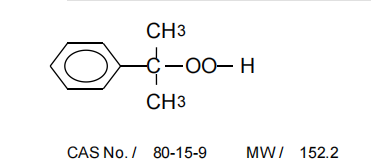
When comparing isopropyl alcohol with other chemicals in the same category, such as tert - butyl peroxybenzoate (TBPB | CAS 614 - 45 - 9 | Tert - butyl Peroxybenzoate, available at TBPB | CAS 614 - 45 - 9 | Tert - butyl Peroxybenzoate and Tertial Butyl Peroxybenzoate), isopropyl alcohol is generally considered to be less hazardous in terms of its environmental impact. Tert - butyl peroxybenzoate is an organic peroxide, which is highly reactive and can pose a significant fire and explosion risk. It is also more toxic to aquatic organisms and has a greater potential to bioaccumulate in the food chain.
Another related product is CHP90, available at CHP90. CHP90 is also an organic peroxide, and like TBPB, it has a higher reactivity and potential for environmental harm compared to isopropyl alcohol.
Mitigation Measures
As a supplier of CAS 78 - 63 - 7, we are committed to promoting the responsible use of isopropyl alcohol. We encourage our customers to follow proper safety and environmental guidelines. For industrial users, we recommend the implementation of closed - loop systems to minimize emissions and waste generation. These systems can recycle and reuse isopropyl alcohol, reducing the need for new production and minimizing the environmental impact.
In addition, proper storage and handling procedures should be followed to prevent spills. In case of spills, immediate cleanup measures should be taken to prevent the chemical from spreading and contaminating the environment. For household users, we recommend using isopropyl alcohol - based products in well - ventilated areas and disposing of used solutions properly.
Conclusion
Isopropyl alcohol (CAS 78 - 63 - 7) has both positive and negative environmental impacts. While it is a useful solvent and disinfectant, its production, usage, and disposal can have adverse effects on the air, water, and soil. However, with proper management and the implementation of mitigation measures, these impacts can be minimized.
If you are interested in purchasing isopropyl alcohol (CAS 78 - 63 - 7) for your industrial or household needs, please feel free to contact us for further details and to start a procurement negotiation. We are dedicated to providing high - quality products while ensuring environmental responsibility.
References
- "Handbook of Chemical Property Estimation Methods: Environmental Behavior of Organic Compounds", edited by Warren J. Lyman, William F. Reehl, and David H. Rosenblatt.
- "Environmental Chemistry", by Stanley E. Manahan.
- "Industrial Hygiene for the Chemical Industry", by William J. Ribbens.