





TBPB, or tert - butyl peroxybenzoate, is a crucial organic peroxide widely used in various industries, such as polymer synthesis, cross - linking of elastomers, and curing of unsaturated polyester resins. As a TBPB supplier, I've witnessed firsthand the numerous challenges that come with its production. In this blog, I'll delve into these challenges and present viable solutions to overcome them.
Challenges in TBPB Production
Raw Material Supply and Quality
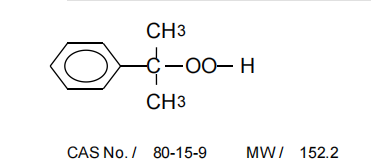
One of the primary challenges in TBPB production is the supply and quality of raw materials. The synthesis of TBPB typically involves reacting tert - butyl hydroperoxide with benzoyl chloride. The availability of Tert - butyl Hydroperoxide can be affected by factors such as production capacity limitations of suppliers, transportation disruptions, and geopolitical issues.
Moreover, the quality of raw materials directly impacts the quality of the final TBPB product. Impurities in tert - butyl hydroperoxide or benzoyl chloride can lead to side reactions during the synthesis process, resulting in a lower - purity TBPB product. These impurities may also affect the stability and reactivity of TBPB, which can be a significant concern for end - users.
Safety and Regulatory Compliance
TBPB is a highly reactive and potentially hazardous chemical. Its production involves handling flammable, explosive, and toxic substances. Ensuring the safety of workers and the surrounding environment is of utmost importance. Any negligence in safety procedures can lead to serious accidents, such as fires, explosions, or chemical spills, which not only endanger lives but also cause significant property damage.

In addition to safety concerns, the production of TBPB is subject to strict regulatory requirements. Governments around the world have established regulations regarding the production, storage, transportation, and use of organic peroxides. Compliance with these regulations requires significant investment in safety equipment, training programs, and documentation. Failure to comply can result in hefty fines, legal liabilities, and even the suspension of production.
Process Efficiency and Yield
Achieving high process efficiency and yield is another challenge in TBPB production. The synthesis of TBPB is a complex chemical reaction that is sensitive to reaction conditions such as temperature, pressure, reaction time, and the ratio of reactants. Small deviations from the optimal reaction conditions can lead to a decrease in yield and an increase in the formation of by - products.
Moreover, the production process often involves multiple steps, including mixing, heating, cooling, and separation. Each step requires careful control and optimization to ensure the overall efficiency of the process. Inefficient processes can lead to higher production costs, longer production cycles, and lower competitiveness in the market.
Environmental Impact
The production of TBPB can have a significant environmental impact. The reaction process may generate waste products, such as unreacted raw materials, by - products, and solvents. These waste products need to be properly treated and disposed of to prevent environmental pollution. Improper disposal of waste can contaminate soil, water, and air, posing a threat to human health and the ecosystem.
In addition, the energy consumption associated with the production process is also a concern. The heating, cooling, and agitation operations in TBPB production require a large amount of energy, which contributes to greenhouse gas emissions and the depletion of natural resources.
Solutions to the Challenges
Ensuring Raw Material Supply and Quality
To address the issue of raw material supply, it is essential to establish long - term partnerships with reliable suppliers. By signing long - term contracts, we can secure a stable supply of raw materials and negotiate favorable prices. Additionally, we can diversify our supplier base to reduce the risk of supply disruptions caused by factors such as natural disasters or supplier bankruptcies.
To ensure the quality of raw materials, we should implement a strict quality control system. This includes conducting thorough inspections and tests on incoming raw materials before they are used in the production process. We can also work closely with suppliers to improve the quality of raw materials through joint research and development efforts.
Enhancing Safety and Regulatory Compliance
Safety should be the top priority in TBPB production. We need to invest in state - of - the - art safety equipment, such as fire suppression systems, explosion - proof equipment, and personal protective equipment (PPE). Regular safety training programs should be provided to all employees to ensure they are aware of the potential hazards and know how to handle them safely.
In terms of regulatory compliance, we should stay updated on the latest regulations and ensure that our production processes and facilities meet all the requirements. We can hire regulatory experts or consultants to assist us in interpreting and implementing the regulations. Maintaining detailed documentation of all production activities, safety measures, and compliance efforts is also crucial.
Improving Process Efficiency and Yield
To improve process efficiency and yield, we can use advanced process control technologies. These technologies, such as real - time monitoring and feedback control systems, allow us to precisely control the reaction conditions and optimize the production process. By continuously adjusting the reaction parameters based on real - time data, we can ensure that the reaction proceeds under the optimal conditions, resulting in a higher yield and a lower formation of by - products.
We can also invest in research and development to improve the production process. This may involve developing new catalysts, reaction mechanisms, or separation techniques. By continuously innovating and improving the production process, we can increase the efficiency and competitiveness of our TBPB production.
Minimizing Environmental Impact
To reduce the environmental impact of TBPB production, we can implement waste reduction and recycling strategies. For example, we can recover and reuse unreacted raw materials and solvents from the waste products. This not only reduces waste generation but also lowers production costs.
In addition, we can invest in energy - efficient equipment and technologies to reduce energy consumption. For instance, using heat exchangers to recover and reuse waste heat can significantly reduce the energy required for heating and cooling operations. We can also explore the use of renewable energy sources, such as solar and wind power, to power our production facilities.
Conclusion
As a TBPB supplier, I understand the challenges that come with its production. However, by implementing the solutions outlined above, we can overcome these challenges and ensure the sustainable production of high - quality TBPB. Ensuring raw material supply and quality, enhancing safety and regulatory compliance, improving process efficiency and yield, and minimizing environmental impact are all crucial steps in the production of TBPB.
If you are in the market for TBPB or have any questions about our products, I encourage you to reach out to us for a procurement discussion. We are committed to providing you with the best - quality TBPB products and excellent customer service.
References
- Smith, J. (2018). Organic Peroxides: Production, Safety, and Applications. Chemical Industry Press.
- Johnson, A. (2020). Regulatory Challenges in the Production of Hazardous Chemicals. Environmental Science Journal.
- Brown, C. (2019). Process Optimization in Chemical Production. Chemical Engineering Review.