


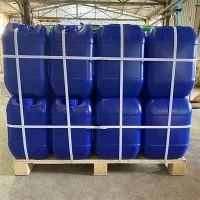


Hey there! As a marble glue supplier, I get tons of questions from folks looking to use our products for various projects. One of the most common queries I hear is, "Can marble glue be used for bonding marble to wood?" Well, let's dive right into this topic and find out.


First off, let's understand what marble glue is all about. Marble glue is a specialized adhesive designed to bond marble pieces together or to other materials. It's formulated to provide a strong, durable bond that can withstand the weight and stress that marble can put on it. But when it comes to using it for bonding marble to wood, there are a few things we need to consider.
The Compatibility of Marble and Wood
Marble is a natural stone, known for its hardness and density. It's a porous material, which means it can absorb liquids to some extent. On the other hand, wood is a natural material too, but it's much more flexible and has a different structure. Wood can expand and contract with changes in temperature and humidity, while marble remains relatively stable.
This difference in properties can pose a challenge when trying to bond them together. The expansion and contraction of wood can put stress on the bond between the marble and the wood, potentially causing the bond to fail over time. However, with the right marble glue, it's definitely possible to create a strong and long - lasting bond.
Factors to Consider When Using Marble Glue for Bonding Marble to Wood
1. Adhesive Strength
The glue you choose needs to have enough strength to hold the heavy marble in place on the wood. A weak adhesive will simply not be able to support the weight of the marble, and you'll end up with a loose or detached piece. Look for a marble glue that is specifically rated for high - strength bonding.
2. Flexibility
Since wood expands and contracts, the glue should have some degree of flexibility. This flexibility allows the glue to accommodate the movement of the wood without breaking the bond. Some marble glues are designed with this flexibility in mind, making them a better choice for bonding marble to wood.
3. Resistance to Environmental Factors
The bond between marble and wood will be exposed to various environmental factors such as moisture, temperature changes, and even sunlight. The glue should be resistant to these factors to ensure the longevity of the bond. For example, a glue that is waterproof will prevent water from seeping into the bond and weakening it.
Types of Marble Glue Suitable for Bonding Marble to Wood
There are several types of marble glues available in the market, and not all of them are suitable for bonding marble to wood. Here are some common types:
Epoxy Resin Glue
Epoxy resin glue is a popular choice for bonding marble to wood. It offers high - strength bonding and can be formulated to have some flexibility. Epoxy glues also have good resistance to moisture and chemicals. They usually come in two parts that need to be mixed together before use. Once mixed, they harden quickly, creating a strong and durable bond.
Polyurethane Glue
Polyurethane glue is another option. It's known for its excellent adhesion and flexibility. It can expand as it cures, filling in any gaps between the marble and the wood. Polyurethane glue is also waterproof, which makes it a good choice for applications where the bond may be exposed to moisture.
Application Process
Now that we've discussed the types of glue, let's talk about how to apply it for bonding marble to wood.
Surface Preparation
Before applying the glue, it's crucial to prepare the surfaces of both the marble and the wood. Clean the surfaces thoroughly to remove any dust, dirt, or grease. You can use a mild detergent and water to clean the surfaces, and then dry them completely. For the marble, you may also want to roughen the surface slightly with sandpaper to improve the adhesion of the glue.
Mixing the Glue
If you're using an epoxy resin glue, follow the manufacturer's instructions for mixing the two parts. Make sure to mix them thoroughly to ensure a consistent bond. For polyurethane glue, you usually don't need to mix it, but you may need to shake the container well.
Applying the Glue
Apply the glue evenly on one of the surfaces. You can use a brush or a spatula for this. Be careful not to apply too much glue, as it can squeeze out and create a messy appearance. Place the marble on the wood carefully, aligning it as desired. Apply pressure to the marble to ensure good contact with the wood and to spread the glue evenly.
Curing Time
Let the glue cure according to the manufacturer's instructions. This may take several hours or even days, depending on the type of glue and the environmental conditions. Avoid disturbing the bond during the curing process.
Our Product Range
As a marble glue supplier, we offer a wide range of high - quality marble glues that are suitable for bonding marble to wood. Our glues are formulated with the latest technology to provide strong, flexible, and long - lasting bonds. We use top - notch ingredients like Tert - butyl Hydroperoxide, TBCP | CAS 3457 - 61 - 2 | Tert - butyl Cumyl Peroxide, and TBEC | CAS 34443 - 12 - 4 | Tert - butyl (2 - ethylhexyl) Monoperoxy Carbonate to ensure the best performance.
Conclusion
So, can marble glue be used for bonding marble to wood? The answer is yes, but you need to choose the right glue and follow the proper application process. With the right product and technique, you can create a beautiful and durable bond between marble and wood for your projects.
If you're interested in our marble glue products for your bonding needs, don't hesitate to reach out to us for more information and to start a procurement discussion. We're here to help you find the perfect solution for your project.
References
- "Adhesives and Sealants Handbook" by David A. Dillard
- "The Science of Building Materials" by John Newman