


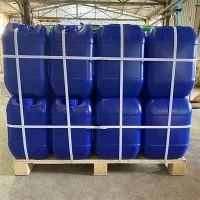


Can Poly - Putty Base be used for shed repairs?
As a supplier of Poly - Putty Base, I often get asked whether this product can be effectively used for shed repairs. In this blog post, I'll delve into the characteristics of Poly - Putty Base, evaluate its suitability for shed repairs, and provide some practical insights based on my experience in the industry.
Understanding Poly - Putty Base
Poly - Putty Base is a versatile material that has gained popularity in various construction and repair applications. It is typically a polymer - based putty that offers excellent adhesion, durability, and ease of use. The putty is formulated to fill gaps, cracks, and holes in different surfaces, providing a smooth and even finish.
One of the key advantages of Poly - Putty Base is its ability to bond well with a wide range of materials, including wood, metal, plastic, and concrete. This makes it a suitable candidate for shed repairs, as sheds are often constructed using a combination of these materials. Additionally, Poly - Putty Base is resistant to moisture, which is crucial for outdoor structures like sheds that are exposed to the elements.
Suitability for Shed Repairs
Filling Cracks and Holes
Sheds can develop cracks and holes over time due to various factors such as weathering, impact, or normal wear and tear. Poly - Putty Base can be an ideal solution for filling these imperfections. Its high - viscosity formula allows it to be easily applied to the damaged areas, and it can be shaped and smoothed to match the surrounding surface.
For example, if there are small cracks in the wooden panels of a shed, Poly - Putty Base can be used to fill them. Once dry, it will prevent water from seeping in, which could otherwise lead to rot and further damage. Similarly, holes in metal or plastic parts of the shed can be filled with Poly - Putty Base to restore the integrity of the structure.
Sealing Joints
Joints in a shed, such as where the walls meet the roof or where different panels are connected, can be vulnerable to leaks. Poly - Putty Base can be used to seal these joints effectively. It forms a tight seal that prevents water, air, and pests from entering the shed.
When applying Poly - Putty Base to joints, it is important to ensure that the surfaces are clean and dry. This will help the putty adhere better and provide a long - lasting seal. After application, the putty can be tooled to create a neat and professional finish.


Surface Restoration
Over time, the surface of a shed may become worn or damaged, losing its aesthetic appeal. Poly - Putty Base can be used to restore the surface by filling in small dents and scratches and providing a smooth base for painting or staining.
For instance, if the wooden exterior of a shed has been scratched or scuffed, Poly - Putty Base can be used to level the surface. Once the putty is dry, it can be sanded to create a smooth finish, and then the shed can be painted or stained to match the existing color scheme.
Compatibility with Shed Materials
Wood
Wood is a common material used in shed construction. Poly - Putty Base adheres well to wood and can be used to repair various types of wood damage. It can fill knots, cracks, and holes in wooden boards, and it can also be used to seal the edges of the wood to prevent moisture penetration.
However, it is important to note that when using Poly - Putty Base on wood, it is advisable to prime the wood first, especially if the wood is porous. This will help the putty adhere better and ensure a more durable repair.
Metal
Metal sheds are also popular due to their strength and durability. Poly - Putty Base can be used to repair dents, scratches, and holes in metal surfaces. It provides a corrosion - resistant barrier, which is important for protecting the metal from rusting.
Before applying Poly - Putty Base to metal, the surface should be cleaned and degreased to remove any dirt, oil, or rust. A light sanding may also be necessary to create a rough surface for better adhesion.
Plastic
Plastic is another material that may be used in shed construction, especially for components like windows, doors, or small panels. Poly - Putty Base can be used to repair cracks and holes in plastic parts. It bonds well with most types of plastic and can provide a strong and durable repair.
When working with plastic, it is important to choose a Poly - Putty Base that is compatible with the specific type of plastic. Some plastics may require special treatment or a specific type of putty for optimal adhesion.
Chemical Components and Their Benefits
In the formulation of Poly - Putty Base, certain chemical components play important roles in enhancing its performance. For example, TBMA | CAS 1931 - 62 - 0 | Tert - butyl Monoperoxymaleate can act as a curing agent, helping the putty to harden and set quickly. This is beneficial for shed repairs, as it allows for faster completion of the repair work and reduces the downtime of the shed.
DTAP | CAS 10508 - 09 - 5 | Di - tert - amyl Peroxide is another chemical that can be used in the formulation. It can improve the mechanical properties of the putty, such as its strength and flexibility. This is important for shed repairs, as the putty needs to withstand the stresses and movements that the shed may experience over time.
DBHP | CAS 26762 - 93 - 6 | Diisopropylbenzene Hydroperoxide can contribute to the putty's resistance to oxidation and degradation. This helps to ensure that the repair remains effective for a long time, even when exposed to outdoor conditions.
Application Tips
When using Poly - Putty Base for shed repairs, here are some tips to ensure a successful application:
- Prepare the Surface: Clean the damaged area thoroughly to remove any dirt, debris, or loose material. If necessary, sand the surface to create a rough texture for better adhesion.
- Mix the Putty Properly: Follow the manufacturer's instructions for mixing the Poly - Putty Base. Ensure that the two components (if it is a two - part putty) are mixed evenly to achieve the best results.
- Apply the Putty: Use a putty knife or a trowel to apply the putty to the damaged area. Press the putty firmly into the cracks or holes to ensure good filling.
- Shape and Smooth: Once the putty is applied, shape it to match the surrounding surface. Use a damp cloth or a tool to smooth the putty for a professional finish.
- Allow Sufficient Drying Time: Let the putty dry completely before painting or using the shed. The drying time may vary depending on the temperature, humidity, and the thickness of the putty layer.
Conclusion
In conclusion, Poly - Putty Base can be a highly effective solution for shed repairs. Its versatility, adhesion, moisture resistance, and compatibility with different shed materials make it a valuable tool for maintaining and restoring the integrity of sheds. Whether it's filling cracks, sealing joints, or restoring the surface, Poly - Putty Base can provide a long - lasting and cost - effective repair.
If you are considering using Poly - Putty Base for your shed repairs or have any questions about our products, we would be more than happy to assist you. Contact us to discuss your specific requirements and start the procurement process. We are committed to providing high - quality Poly - Putty Base products and excellent customer service.
References
- Manufacturer's product literature on Poly - Putty Base
- Industry research on construction and repair materials for outdoor structures