


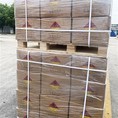

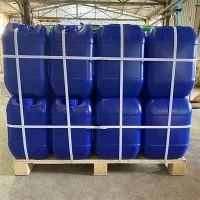
Tert-Butyl Hydroperoxide (TBHP), identified by the CAS number 75 - 91 - 2, is a highly reactive organic peroxide widely used in various industrial applications, including as an initiator in polymerization reactions, an oxidizing agent in organic synthesis, and a catalyst in chemical processes. As a supplier of TBHP, I understand the critical importance of ensuring its safe disposal to protect both human health and the environment. In this blog post, I will share comprehensive guidelines on how to dispose of TBHP safely.
Understanding the Hazards of TBHP
Before delving into the disposal methods, it is essential to understand the potential hazards associated with TBHP. TBHP is a strong oxidizer, which means it can react violently with reducing agents, combustible materials, and other incompatible substances. It is also highly flammable and can form explosive mixtures with air. Additionally, TBHP is toxic if inhaled, ingested, or absorbed through the skin, and it can cause severe irritation to the eyes, skin, and respiratory tract.
Regulatory Requirements
Disposing of TBHP is subject to strict regulatory requirements at both the national and international levels. These regulations are designed to minimize the risks associated with the handling and disposal of hazardous chemicals. Before disposing of TBHP, it is crucial to familiarize yourself with the relevant regulations in your jurisdiction and ensure compliance with all applicable requirements.
In the United States, for example, the disposal of TBHP is regulated by the Environmental Protection Agency (EPA) under the Resource Conservation and Recovery Act (RCRA). RCRA classifies TBHP as a hazardous waste, and its disposal must follow specific procedures to prevent environmental contamination. Similar regulations exist in other countries, so it is essential to consult the local environmental authorities for guidance.
Safe Handling Practices
Proper handling of TBHP is the first step in ensuring its safe disposal. When working with TBHP, it is essential to follow these safe handling practices:
- Use appropriate personal protective equipment (PPE): Wear chemical-resistant gloves, goggles, and a lab coat to protect your skin and eyes from contact with TBHP. If working in an area with a high risk of inhalation exposure, use a respirator approved for use with organic peroxides.
- Store TBHP properly: Store TBHP in a cool, dry, well-ventilated area away from heat, sparks, and open flames. Keep it away from incompatible substances, such as reducing agents, combustible materials, and acids.
- Handle TBHP with care: Avoid dropping, shaking, or otherwise agitating containers of TBHP, as this can increase the risk of a violent reaction. Use only approved equipment and containers for handling and storing TBHP.
- Follow proper transfer procedures: When transferring TBHP from one container to another, use a closed transfer system to minimize the risk of spills and leaks. Ensure that all connections are secure and that the transfer is carried out in a well-ventilated area.
Disposal Methods
There are several methods for disposing of TBHP safely, depending on the quantity and concentration of the substance, as well as the specific circumstances. The following are some of the most common disposal methods:
Chemical Neutralization
Chemical neutralization is a common method for disposing of small quantities of TBHP. This method involves reacting TBHP with a reducing agent to convert it into less hazardous substances. One of the most commonly used reducing agents for TBHP neutralization is sodium sulfite.
To neutralize TBHP using sodium sulfite, follow these steps:
- Prepare a solution of sodium sulfite in water. The concentration of the solution will depend on the quantity and concentration of TBHP to be neutralized.
- Slowly add the TBHP to the sodium sulfite solution while stirring continuously. The reaction between TBHP and sodium sulfite is exothermic, so it is essential to add the TBHP slowly to prevent a violent reaction.
- Continue stirring the solution until the reaction is complete. The completion of the reaction can be confirmed by testing the solution for the presence of TBHP using a suitable analytical method.
- Once the reaction is complete, the resulting solution can be disposed of according to local regulations.
Incineration
Incineration is a suitable method for disposing of large quantities of TBHP. This method involves burning TBHP at high temperatures to convert it into carbon dioxide, water, and other non-toxic substances. Incineration should only be carried out in a licensed incinerator that is designed and operated to meet all applicable environmental regulations.
Before incinerating TBHP, it is essential to ensure that the incinerator is capable of handling organic peroxides safely. The incinerator should be equipped with appropriate safety features, such as temperature controls, pressure relief valves, and fire suppression systems. Additionally, the incineration process should be closely monitored to ensure that all TBHP is completely burned and that no hazardous emissions are released into the environment.
Recycling
In some cases, it may be possible to recycle TBHP or its by-products. Recycling can help to reduce the environmental impact of TBHP disposal and conserve valuable resources. However, recycling TBHP requires specialized equipment and expertise, and it may not be feasible in all situations.
If you are interested in recycling TBHP, it is recommended to contact a professional recycling company that specializes in the treatment of hazardous chemicals. The recycling company can assess the feasibility of recycling your TBHP and provide you with guidance on the appropriate recycling methods.
Alternative Products
As a supplier of TBHP, I also understand the importance of providing our customers with alternative products that are safer and more environmentally friendly. There are several alternative products available on the market that can be used in place of TBHP in certain applications.
For example, TAHP | CAS 3425-61-4 | Tert-Amyl Hydroperoxide is a similar organic peroxide that can be used as an initiator in polymerization reactions. TAHP has a lower reactivity than TBHP, which makes it safer to handle and dispose of. Another alternative product is TBPB | CAS 614-45-9 | Tert-butyl Peroxybenzoate, which is used as a curing agent in the production of unsaturated polyester resins. TBPB is less volatile and more stable than TBHP, which reduces the risk of fire and explosion.
In addition to these alternative products, DTBP | CAS 110-05-4 | Di-tert-butyl Peroxide is another option for certain applications. DTBP is a relatively stable organic peroxide that can be used as an initiator in polymerization reactions and as an oxidizing agent in organic synthesis.
Conclusion
Disposing of TBHP safely is a critical responsibility for anyone who handles or uses this hazardous chemical. By understanding the potential hazards associated with TBHP, following proper handling and disposal procedures, and considering alternative products, we can minimize the risks to human health and the environment.
As a supplier of TBHP, I am committed to providing our customers with the information and support they need to handle and dispose of TBHP safely. If you have any questions or concerns about TBHP disposal, please do not hesitate to contact us. We are here to help you ensure the safe and responsible use of our products.


If you are interested in purchasing TBHP or any of our other products, or if you have any questions about our product offerings, please feel free to contact us. We look forward to discussing your needs and providing you with the best possible solutions.
References
- Environmental Protection Agency (EPA). Resource Conservation and Recovery Act (RCRA).
- International Labour Organization (ILO). Guidelines on the Safe Use of Chemicals.
- National Fire Protection Association (NFPA). NFPA 432: Code for the Storage of Organic Peroxides.