


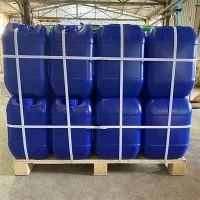


As a supplier of CHP CAS 80 - 15 - 9, I've been getting a lot of questions lately about how to boost its production efficiency. So, I thought I'd share some tips and tricks that I've picked up over the years in this blog post.


First off, let's talk about what CHP CAS 80 - 15 - 9 is. CHP, or Cumene Hydroperoxide, is an important organic peroxide used in a variety of industries, like the production of phenol and acetone. It's a key ingredient, but making it efficiently can be a bit of a challenge.
Understanding the Basics of Production
To improve production efficiency, you gotta understand the basic process. The production of CHP CAS 80 - 15 - 9 usually involves the oxidation of cumene. But this process isn't as simple as it sounds. There are a bunch of factors that can affect how well it goes, like temperature, pressure, and the presence of catalysts.
Temperature is super important. If it's too low, the reaction might be too slow, and you won't get enough product. On the other hand, if it's too high, you could end up with unwanted by - products. So, finding the sweet spot is crucial. You need to monitor the temperature closely and make adjustments as needed.
Pressure also plays a role. Higher pressure can sometimes speed up the reaction, but it also comes with its own risks. You need to make sure your equipment can handle the pressure and that you're following all the safety protocols.
Catalysts and Their Role
Catalysts are like the secret sauce in the production of CHP CAS 80 - 15 - 9. They can significantly speed up the reaction and increase the yield. There are different types of catalysts you can use, and choosing the right one is key.
Some common catalysts in this process include metal salts. These can help initiate the oxidation reaction and keep it going smoothly. But you have to be careful with the amount you use. Too much catalyst can lead to side reactions, while too little won't have much of an effect.
Another thing to consider is the catalyst's lifespan. Over time, catalysts can lose their effectiveness. So, you need to have a plan in place to replace or regenerate them. This might involve regular testing to see how well the catalyst is working and then taking action when needed.
Quality of Raw Materials
The quality of the raw materials you use can't be overlooked. If you're using low - quality cumene, it can affect the entire production process. Impurities in the cumene can react with other substances in the reaction mixture, leading to the formation of unwanted by - products.
So, make sure you're sourcing your cumene from a reliable supplier. Do some research and check the purity levels. You might also want to run some tests on the raw materials before you start the production process. This way, you can catch any potential issues early on.
Equipment Maintenance
Your production equipment is like the workhorse of your operation. If it's not in good shape, your production efficiency will suffer. Regular maintenance is a must.
Check your reactors, pumps, and other equipment on a regular basis. Look for signs of wear and tear, like leaks or corrosion. Fix any issues as soon as you find them. You should also have a preventive maintenance schedule in place. This could involve things like changing filters, lubricating moving parts, and calibrating sensors.
Upgrading your equipment can also be a good idea. Newer models often come with advanced features that can improve the production process. For example, some reactors have better temperature control systems, which can help you achieve more consistent results.
Process Optimization
Process optimization is all about finding ways to make the production process more efficient. This could involve making small changes to the reaction conditions or the way you handle the materials.
One way to optimize the process is to use continuous production methods instead of batch production. Continuous production can lead to a more consistent product quality and higher overall efficiency. It also allows for better control of the reaction conditions.
You can also look into using automation in your production process. Automated systems can monitor and adjust the reaction conditions in real - time, which can lead to more precise control and fewer errors. For example, an automated system can adjust the temperature and pressure based on the data it collects from sensors.
Safety First
Safety should always be your top priority. When you're dealing with organic peroxides like CHP CAS 80 - 15 - 9, there are some serious risks involved. These substances are highly reactive and can be explosive under certain conditions.
Make sure your workers are properly trained on how to handle CHP. They should know all the safety procedures, like how to store it, how to handle spills, and what to do in case of an emergency.
You also need to have the right safety equipment in place. This includes things like fire extinguishers, safety showers, and ventilation systems. Regular safety inspections are a must to make sure everything is in working order.
Related Organic Peroxides
There are other organic peroxides that are related to CHP CAS 80 - 15 - 9 and can be useful in different applications. For example, MEKP | CAS 1338 - 23 - 4 | Methyl Ethyl Ketone Peroxide is another important organic peroxide. It's often used as a curing agent in the production of fiberglass and other composite materials.
Dibenzoyl Peroxide is also widely used. It's commonly used in the pharmaceutical industry as an acne treatment and in the polymer industry as a initiator for polymerization reactions.
Tertial - butyl(2 - ethylhexyl)Monoperoxy Carbonate is another one. It's used as a polymerization initiator in the production of various polymers.
Conclusion
Improving the production efficiency of CHP CAS 80 - 15 - 9 takes a combination of factors. You need to understand the basic process, use the right catalysts, ensure the quality of your raw materials, maintain your equipment, optimize the process, and always prioritize safety.
If you're interested in learning more about CHP CAS 80 - 15 - 9 or are looking to start a purchase negotiation, feel free to reach out. We're here to help you get the most out of your production process.
References
- Organic Peroxides: Chemistry and Technology, by J. C. Scaiano
- Industrial Organic Chemistry, by Klaus Weissermel and Hans - Jürgen Arpe