


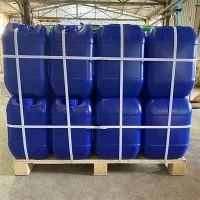


As a long - time water base resin supplier, I've encountered numerous challenges and inquiries from clients regarding the adhesion of water base resin on plastic. Achieving good adhesion is crucial as it directly impacts the performance and durability of the final product. In this blog, I'll share some effective strategies and scientific insights to ensure excellent adhesion of water base resin on plastic surfaces.
Understanding the Basics of Water Base Resin and Plastic
Before delving into the adhesion strategies, it's essential to understand the nature of water base resin and plastic. Water base resins are polymers dispersed or dissolved in water. They are environmentally friendly alternatives to solvent - based resins, offering advantages such as low VOC emissions and easy cleanup. Plastics, on the other hand, are a diverse group of materials with different chemical compositions, surface energies, and physical properties.
The key to adhesion lies in the interaction between the resin and the plastic surface. When the resin can form strong bonds with the plastic, either through mechanical interlocking, chemical bonding, or a combination of both, good adhesion is achieved.
Surface Preparation of Plastic
One of the most critical steps in ensuring good adhesion is proper surface preparation of the plastic. Most plastics have low surface energy, which means they are not easily wetted by the water base resin. There are several methods to increase the surface energy and improve the adhesion:
Cleaning
The plastic surface must be free from contaminants such as dust, grease, and mold release agents. A simple cleaning process using a mild detergent and water can remove loose dirt. For more stubborn contaminants, solvents may be used, but care must be taken to choose solvents that do not damage the plastic. After cleaning, the surface should be thoroughly rinsed and dried to prevent any residue from interfering with the adhesion process.
Abrasion
Abrading the plastic surface can create a rough texture, which enhances mechanical interlocking between the resin and the plastic. This can be done using sandpaper, abrasive pads, or blasting techniques. However, it's important to control the degree of abrasion to avoid damaging the plastic or creating excessive heat, which can alter the plastic's properties.
Chemical Treatment
Chemical treatments can modify the plastic surface to increase its reactivity. For example, oxidation treatments using strong oxidizing agents can introduce polar groups on the plastic surface, making it more receptive to the water base resin. Plasma treatment is another effective method. It uses high - energy plasma to break the chemical bonds on the plastic surface and create reactive sites.
Selecting the Right Water Base Resin
Not all water base resins are suitable for adhesion on plastic. When choosing a resin, consider the following factors:
Compatibility
The resin should be chemically compatible with the plastic. For example, if the plastic is a polyolefin, a resin with similar non - polar characteristics or one that can be made compatible through additives may be required. Some water base resins are specifically formulated for adhesion to certain types of plastics, so it's important to select the appropriate resin for the specific plastic substrate.
Viscosity
The viscosity of the water base resin affects its ability to wet the plastic surface. A resin with too high a viscosity may not spread evenly on the plastic, while a resin with too low a viscosity may run off or not provide sufficient build - up. Adjusting the viscosity through the addition of thickeners or thinners can optimize the application and adhesion.
Cure Mechanism
The cure mechanism of the resin is also important. Some resins cure through evaporation of water, while others may require heat, UV light, or the addition of a curing agent. Understanding the cure mechanism and ensuring that the curing conditions are suitable for the plastic substrate is crucial for achieving good adhesion.
Using Additives
Additives can play a significant role in improving the adhesion of water base resin on plastic.
Adhesion Promoters
Adhesion promoters are chemicals that can enhance the bond between the resin and the plastic. They work by either reacting with the plastic surface or the resin to form stronger chemical bonds. For example, silane coupling agents can react with both the inorganic components in the resin and the organic groups on the plastic surface, improving the adhesion.
Cross - Linking Agents
Cross - linking agents can increase the molecular weight and the degree of cross - linking in the resin, resulting in a more durable and adherent coating. Tertial Butyl Peroxybenzoate is an example of a cross - linking agent that can be used in some water base resin systems. It can initiate free - radical reactions, leading to the formation of cross - links between the resin molecules and improving the adhesion and mechanical properties of the coating.
Wetting Agents
Wetting agents reduce the surface tension of the water base resin, allowing it to spread more easily on the plastic surface. This improves the wetting and coverage of the resin, which is essential for good adhesion.
Application Techniques
Proper application techniques are also vital for ensuring good adhesion.
Spray Application
Spray application is a common method for applying water base resin on plastic. It allows for even distribution of the resin on the surface. However, factors such as spray pressure, nozzle type, and spraying distance need to be carefully controlled to ensure uniform coating thickness and good adhesion.


Dip Coating
Dip coating involves immersing the plastic part in the water base resin. This method can provide a thick and uniform coating. However, the withdrawal speed and the viscosity of the resin need to be adjusted to prevent dripping and ensure proper adhesion.
Roller Coating
Roller coating is suitable for large, flat plastic surfaces. It can apply the resin evenly and can be adjusted to control the coating thickness. The roller material and the pressure applied during coating also affect the adhesion.
Curing Conditions
The curing conditions have a significant impact on the adhesion of the water base resin on plastic.
Temperature
If the resin requires heat for curing, the temperature must be carefully controlled. Too low a temperature may result in incomplete curing, while too high a temperature can cause the plastic to deform or the resin to degrade.
Time
The curing time is also important. Allowing sufficient time for the resin to cure ensures that the chemical reactions are complete and the bonds between the resin and the plastic are fully formed.
Quality Control
After the resin has been applied and cured, quality control measures should be taken to ensure good adhesion. This can include visual inspection, adhesion testing (such as the cross - cut test or the pull - off test), and performance testing under real - world conditions.
Conclusion
Ensuring good adhesion of water base resin on plastic is a complex process that requires a comprehensive approach. By properly preparing the plastic surface, selecting the right resin, using appropriate additives, applying the resin correctly, and controlling the curing conditions, excellent adhesion can be achieved.
As a water base resin supplier, I'm committed to providing high - quality products and technical support to help you achieve the best results. If you're facing challenges with the adhesion of water base resin on plastic or are interested in purchasing our products, I encourage you to contact me for a detailed discussion and procurement negotiation. We can work together to find the most suitable solutions for your specific application.
References
- ASTM International. Standard Test Methods for Measuring Adhesion by Tape Test (ASTM D3359).
- Paint and Coating Testing Manual: Fourteenth Edition of the Gardner - Sward Handbook.
- Introduction to Polymer Coatings: Chemistry and Technology by David A. Sikkema.