


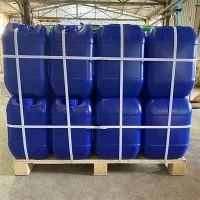


Hey there! As a water base resin supplier, I've been getting a lot of questions lately about how to reduce the odor of water base resin. It's a common concern, especially when you're using the resin in enclosed spaces or in applications where a strong smell can be a real turn - off. So, I thought I'd share some tips and tricks that I've learned over the years.


First of all, let's understand where the odor in water base resin comes from. Most of the time, the smell is due to volatile organic compounds (VOCs) that are released during the curing process or just sitting in storage. These VOCs can come from various sources, like the solvents used in the resin formulation, the additives, or even the raw materials themselves.
One of the simplest ways to reduce the odor is to choose the right raw materials. When I'm formulating our water base resins, I always look for low - odor alternatives. For example, some of the solvents we use are specifically designed to have a minimal smell. There are also additives that can help reduce the release of VOCs. One such additive is Diisopropylbenzene Hydroperoxide (DBHP | CAS 26762 - 93 - 6). You can learn more about it here. It's a great option as it can be used in the resin formulation to promote curing while keeping the odor down.
Another important aspect is the curing process. Proper curing can significantly reduce the odor. If the resin doesn't cure properly, it can continue to release VOCs over time. We've found that using the right curing agents can make a big difference. Tert - butyl (2 - ethylhexyl) Monoperoxy Carbonate (TBEC | CAS 34443 - 12 - 4) is one of the curing agents we often recommend. You can check it out here. It helps the resin cure more efficiently, which in turn reduces the amount of odor - causing VOCs.
Temperature and humidity also play a crucial role in the curing process. If it's too cold or too humid, the resin might not cure as well, and that can lead to a stronger odor. So, when you're using our water base resin, make sure to follow the recommended temperature and humidity ranges for curing. This might mean using a heater or a dehumidifier in some cases, but it's worth it to get a low - odor finish.
Ventilation is another key factor. No matter how low - odor your resin is, if you're working in a poorly ventilated area, the smell can still build up. I always tell our customers to make sure they have good air circulation when using our water base resin. Open windows, use fans, or even set up an exhaust system if you're working in a large - scale operation. This will help remove the odor - causing VOCs from the air as they're released.
Storage also affects the odor of water base resin. If the resin is stored in a hot and humid environment, it can start to break down and release more VOCs. That's why we recommend storing our resins in a cool, dry place. Make sure the containers are tightly sealed to prevent air and moisture from getting in.
Now, let's talk about some post - treatment options. Sometimes, even after proper curing and storage, there might still be a slight odor. In these cases, you can use odor - neutralizing agents. There are commercial products available that can be sprayed or applied to the cured resin surface to reduce the smell. You can also try using natural odor absorbers like activated charcoal or baking soda. Just place them near the cured resin, and they'll help absorb the odor.
Tert - butyl Hydroperoxide is another product that can be used in the resin process. It has some properties that can help in reducing odor in certain formulations. You can find more details about it here.
In addition to these technical solutions, we also offer support and advice to our customers. If you're having trouble with the odor of our water base resin, just reach out to us. We can help you troubleshoot the problem and find the best solution for your specific application.
We're constantly researching and developing new ways to reduce the odor of our water base resins. We know that a low - odor product is not only more pleasant to work with but also more environmentally friendly. By reducing the release of VOCs, we're doing our part to create a healthier workplace and a cleaner environment.
If you're interested in our water base resins and want to learn more about how we can help you with odor reduction, don't hesitate to contact us. We'd love to have a chat with you about your requirements and see how we can tailor our products to meet your needs. Whether you're a small - scale DIY enthusiast or a large - scale manufacturer, we've got the right resin for you.
In conclusion, reducing the odor of water base resin is a multi - faceted process. It involves choosing the right raw materials, ensuring proper curing, providing good ventilation, and taking care of storage. By following these tips and using our products, you can enjoy a low - odor water base resin experience. So, if you're in the market for water base resin, give us a try. We're confident that you'll be satisfied with the quality and the reduced odor of our products.
References
- "Handbook of Resin Technology"
- "Volatile Organic Compounds in the Environment"
- Industry reports on water base resin formulation and odor reduction