


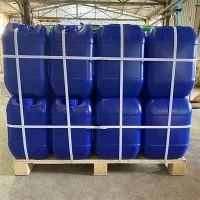


Storing Poly-Putty Base properly is crucial for maintaining its quality and performance over time. As a supplier of Poly-Putty Base, I understand the significance of providing accurate information on storage guidelines to our customers. In this blog, I will share some essential tips on how to store Poly-Putty Base effectively.


Understanding Poly-Putty Base
Poly-Putty Base is a versatile material commonly used in various industries for filling, repairing, and finishing applications. It is a two-component compound consisting of a base and a catalyst. When combined, they react to form a durable and heat-resistant material. However, improper storage can lead to premature curing, reduced shelf life, and compromised performance.
Ideal Storage Conditions
The first step in storing Poly-Putty Base is to understand its ideal storage conditions. Generally, Poly-Putty Base should be stored in a cool, dry place away from direct sunlight and sources of heat. The recommended temperature range for storage is between 5°C and 25°C (41°F and 77°F). Temperatures outside this range can accelerate the curing process or cause the material to become too viscous, making it difficult to use.
Humidity is another important factor to consider. High humidity can lead to moisture absorption, which can affect the chemical properties of the Poly-Putty Base. It is advisable to store the product in a sealed container to prevent moisture ingress. If the storage area is prone to high humidity, using a dehumidifier can help maintain the ideal environment.
Storage Containers
Choosing the right storage container is essential for preserving the quality of Poly-Putty Base. The container should be made of a material that is resistant to the chemicals in the product and should be able to provide an airtight seal. Plastic containers with tight-fitting lids are often a good choice, as they are lightweight, durable, and can prevent air and moisture from entering.
It is also important to label the storage container clearly with the product name, batch number, and expiration date. This will help you keep track of the inventory and ensure that you use the oldest product first, following the first-in, first-out (FIFO) principle.
Handling and Storage Precautions
When handling Poly-Putty Base, it is important to follow some basic precautions to avoid contamination and ensure safety. Always wear appropriate personal protective equipment (PPE), such as gloves and safety glasses, when working with the product. Avoid contact with skin, eyes, and clothing, and wash your hands thoroughly after handling.
Do not mix different batches or types of Poly-Putty Base in the same container, as this can affect the performance of the product. If you need to transfer the product to a different container, make sure the new container is clean and dry before use.
Shelf Life
The shelf life of Poly-Putty Base depends on various factors, including the storage conditions and the specific formulation of the product. Generally, Poly-Putty Base has a shelf life of 12 to 24 months when stored under the recommended conditions. However, it is always a good idea to check the expiration date on the product label and use it before it expires.
Compatibility with Other Chemicals
Poly-Putty Base may be incompatible with certain chemicals, such as Tert-Amyl Hydroperoxide, Cumene Hydroperoxide 80S, and Tert-butyl Hydroperoxide. These chemicals can react with the Poly-Putty Base and cause adverse effects, such as premature curing or reduced performance. Therefore, it is important to store Poly-Putty Base away from these substances and other incompatible chemicals.
Monitoring and Inspection
Regular monitoring and inspection of the stored Poly-Putty Base are essential to ensure its quality and performance. Check the storage containers regularly for signs of damage, leakage, or contamination. If you notice any issues, take appropriate action immediately, such as transferring the product to a new container or disposing of it safely.
It is also a good idea to perform periodic quality checks on the Poly-Putty Base. This can include testing the viscosity, curing time, and strength of the material. If the product fails to meet the specified quality standards, it may indicate that the storage conditions have been compromised, and you should take steps to correct the problem.
Conclusion
Proper storage of Poly-Putty Base is essential for maintaining its quality and performance over time. By following the guidelines outlined in this blog, you can ensure that your Poly-Putty Base remains in good condition and provides reliable results for your applications.
If you are interested in purchasing high-quality Poly-Putty Base or have any questions about our products, please feel free to contact us for more information. We look forward to discussing your requirements and providing you with the best solutions for your needs.
References
- Manufacturer's product data sheets and technical manuals.
- Industry standards and best practices for chemical storage.