


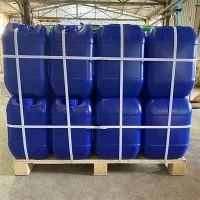


As a reputable supplier of Poly-Putty Base, I understand the importance of proper storage to maintain the quality and usability of this product. Poly-Putty Base is a versatile material widely used in various industries, including automotive, construction, and crafts. However, it has a tendency to dry out if not stored correctly, which can significantly affect its performance. In this blog post, I will share some scientific and practical tips on how to store Poly-Putty Base to prevent drying out.


Understanding the Nature of Poly-Putty Base
Before delving into storage methods, it's essential to understand what causes Poly-Putty Base to dry out. Poly-Putty Base typically consists of polymers, fillers, and solvents. The solvents play a crucial role in keeping the putty in a workable, malleable state. When exposed to air, these solvents can evaporate, leading to the hardening and drying of the putty. Additionally, factors such as temperature, humidity, and light can also accelerate the drying process.
Ideal Storage Conditions
Temperature Control
Temperature is one of the most critical factors in storing Poly-Putty Base. Extreme temperatures can cause the solvents in the putty to evaporate more rapidly. Ideally, Poly-Putty Base should be stored in a cool, dry place. A temperature range between 10°C and 25°C (50°F and 77°F) is considered optimal. Avoid storing the putty in areas that are exposed to direct sunlight or near heat sources such as radiators, heaters, or ovens. High temperatures can not only speed up the evaporation of solvents but also cause chemical reactions within the putty, altering its properties.
On the other hand, extremely low temperatures can also be detrimental. If the putty freezes, it can cause the separation of its components, making it unusable. Therefore, during the winter months, ensure that the storage area is properly insulated to prevent the putty from freezing.
Humidity Management
Humidity levels can also impact the storage of Poly-Putty Base. High humidity can introduce moisture into the putty, which may cause it to become sticky or develop mold. Conversely, low humidity can accelerate the evaporation of solvents. Aim to maintain a relative humidity level between 40% and 60% in the storage area. You can use a dehumidifier or a humidifier to regulate the humidity as needed.
Light Exposure
Exposure to light, especially ultraviolet (UV) light, can cause the degradation of the polymers in Poly-Putty Base. UV light can break down the chemical bonds in the polymers, leading to changes in the putty's color, texture, and performance. Store the putty in opaque containers or in a dark area to minimize light exposure.
Proper Packaging
Sealed Containers
One of the most effective ways to prevent the drying out of Poly-Putty Base is to store it in airtight containers. Once you open a container of putty, make sure to close it tightly after each use. If the original container does not have a good seal, transfer the putty to a container with an airtight lid. You can use plastic containers with snap-on lids or glass jars with screw-top lids. Make sure to clean the container thoroughly before transferring the putty to prevent contamination.
Minimizing Air Space
When storing Poly-Putty Base in a container, try to minimize the amount of air space inside. Air contains oxygen and moisture, which can contribute to the drying and degradation of the putty. If possible, fill the container to the brim or use a smaller container that fits the amount of putty you have. You can also use a vacuum sealer to remove the air from the container before sealing it.
Additional Tips
Regular Inspections
Periodically inspect the stored Poly-Putty Base for any signs of drying, hardening, or contamination. If you notice any changes in the putty's appearance or consistency, it may be a sign that the storage conditions are not optimal. In such cases, take immediate action to adjust the storage conditions or use the putty before it becomes unusable.
Using Desiccants
Desiccants are substances that absorb moisture from the air. Placing a desiccant packet inside the container with the Poly-Putty Base can help to keep the putty dry. Silica gel packets are commonly used as desiccants and can be easily purchased online or at hardware stores. Make sure to replace the desiccant packets regularly to maintain their effectiveness.
Rotating Stock
If you have multiple containers of Poly-Putty Base, practice stock rotation. Use the oldest containers first to ensure that the putty is used within its recommended shelf life. This will help to prevent the accumulation of expired or dried-out putty.
Related Products and Their Storage
In addition to Poly-Putty Base, our company also supplies other related products such as TBPB | CAS 614-45-9 | Tert-butyl Peroxybenzoate [/organic-peroxides/tbpb-cas-614-45-9-tert-butyl-peroxybenzoate.html], Tert-butyl Hydroperoxide [/organic-peroxides/tert-butyl-hydroperoxide-factory.html], and LPO | CAS 105-74-8 | Dilauroyl Peroxide [/organic-peroxides/lpo-cas-105-74-8-dilauroyl-peroxide.html]. These products also require proper storage to maintain their quality and safety. Similar to Poly-Putty Base, they should be stored in a cool, dry place away from heat, light, and sources of ignition. Make sure to follow the specific storage instructions provided for each product.
Conclusion
Proper storage of Poly-Putty Base is essential to prevent drying out and ensure its optimal performance. By controlling temperature, humidity, and light exposure, using proper packaging, and following additional tips such as regular inspections and stock rotation, you can extend the shelf life of the putty and maintain its quality. As a supplier, we are committed to providing high-quality Poly-Putty Base and other related products. If you are interested in purchasing our products or have any questions about storage or usage, please feel free to contact us for further discussion.
References
- [1] Polymer Science and Technology, Third Edition, by Donald R. Paul and Charles A. Harriss.
- [2] Handbook of Adhesive Technology, Second Edition, edited by S. Paul Sharma.
- [3] Storage and Handling Guidelines for Chemical Products, published by the Chemical Manufacturers Association.