


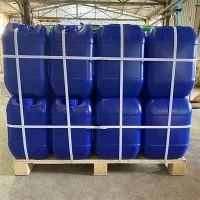


Poly-Putty Base is a versatile and widely used material in various industries, known for its excellent adhesion, durability, and ease of application. However, like any product, users may encounter problems during its use. As a Poly-Putty Base supplier, I understand the importance of providing effective troubleshooting solutions to ensure our customers can use our products smoothly. In this blog post, I will share some common problems that users may face when using Poly-Putty Base and provide practical solutions.
Problem 1: Poor Adhesion
One of the most common problems users encounter is poor adhesion of the Poly-Putty Base to the substrate. This can lead to the putty peeling off or not adhering properly, which can affect the overall quality of the work.
Possible Causes
- Surface Contamination: The substrate surface may be contaminated with dust, oil, grease, or other substances, which can prevent the putty from adhering properly.
- Incorrect Surface Preparation: The substrate surface may not be properly prepared, such as not being roughened or primed, which can reduce the adhesion of the putty.
- Incorrect Mixing: If the Poly-Putty Base is not mixed properly, it may not have the correct consistency or chemical properties, which can affect its adhesion.
- Incompatible Substrate: The substrate material may be incompatible with the Poly-Putty Base, which can prevent the putty from adhering properly.
Solutions
- Clean the Surface: Thoroughly clean the substrate surface with a suitable cleaner to remove any dust, oil, grease, or other contaminants. Make sure the surface is dry before applying the putty.
- Prepare the Surface: Roughen the substrate surface with sandpaper or a wire brush to increase the surface area for better adhesion. Apply a suitable primer to the substrate surface to improve the adhesion of the putty.
- Mix the Putty Properly: Follow the manufacturer's instructions carefully when mixing the Poly-Putty Base. Make sure to mix the putty thoroughly to ensure a uniform consistency.
- Check the Compatibility: Before applying the Poly-Putty Base, check the compatibility of the substrate material with the putty. If necessary, consult the manufacturer or a technical expert for advice.
Problem 2: Slow or No Curing
Another common problem is slow or no curing of the Poly-Putty Base. This can be frustrating for users, as it can delay the completion of the work and affect the overall quality of the finished product.


Possible Causes
- Incorrect Mixing Ratio: If the Poly-Putty Base and the hardener are not mixed in the correct ratio, it may not cure properly.
- Low Temperature: Low temperatures can slow down the curing process of the Poly-Putty Base.
- High Humidity: High humidity can also affect the curing process of the Poly-Putty Base, as it can prevent the hardener from reacting properly with the putty.
- Expired or Contaminated Materials: If the Poly-Putty Base or the hardener is expired or contaminated, it may not cure properly.
Solutions
- Follow the Mixing Ratio: Make sure to follow the manufacturer's instructions carefully when mixing the Poly-Putty Base and the hardener. Use a measuring tool to ensure the correct ratio.
- Control the Temperature: Keep the working environment at a suitable temperature, usually between 20°C and 30°C, to ensure the proper curing of the Poly-Putty Base. If necessary, use a heater or a cooler to adjust the temperature.
- Control the Humidity: Keep the working environment at a suitable humidity level, usually between 40% and 60%, to ensure the proper curing of the Poly-Putty Base. If necessary, use a dehumidifier or a humidifier to adjust the humidity.
- Check the Materials: Before using the Poly-Putty Base and the hardener, check the expiration date and make sure they are not contaminated. If the materials are expired or contaminated, do not use them.
Problem 3: Bubbles or Air Pockets
Bubbles or air pockets in the Poly-Putty Base can also be a problem, as they can affect the appearance and quality of the finished product.
Possible Causes
- Incorrect Mixing: If the Poly-Putty Base is not mixed properly, air may be trapped in the putty, which can cause bubbles or air pockets.
- Rapid Application: If the Poly-Putty Base is applied too quickly, air may be trapped in the putty, which can cause bubbles or air pockets.
- High Viscosity: If the Poly-Putty Base has a high viscosity, it may be difficult to remove air bubbles or air pockets during the application process.
Solutions
- Mix the Putty Properly: Follow the manufacturer's instructions carefully when mixing the Poly-Putty Base. Make sure to mix the putty thoroughly to ensure a uniform consistency and to remove any air bubbles.
- Apply the Putty Slowly: Apply the Poly-Putty Base slowly and evenly to the substrate surface to avoid trapping air bubbles or air pockets. Use a putty knife or a spatula to smooth the putty and remove any air bubbles.
- Reduce the Viscosity: If the Poly-Putty Base has a high viscosity, you can add a small amount of a suitable thinner to reduce the viscosity and make it easier to apply. However, make sure to follow the manufacturer's instructions when using a thinner.
Problem 4: Shrinkage or Cracking
Shrinkage or cracking of the Poly-Putty Base can also occur, which can affect the integrity and appearance of the finished product.
Possible Causes
- Incorrect Mixing: If the Poly-Putty Base is not mixed properly, it may shrink or crack during the curing process.
- Rapid Curing: If the Poly-Putty Base cures too quickly, it may shrink or crack due to the internal stress.
- Thick Layers: Applying the Poly-Putty Base in thick layers can increase the risk of shrinkage or cracking, as the putty may not cure evenly.
- Incompatible Substrate: If the substrate material expands or contracts at a different rate than the Poly-Putty Base, it can cause the putty to shrink or crack.
Solutions
- Mix the Putty Properly: Follow the manufacturer's instructions carefully when mixing the Poly-Putty Base. Make sure to mix the putty thoroughly to ensure a uniform consistency and to avoid any chemical imbalances that may cause shrinkage or cracking.
- Control the Curing Rate: If the Poly-Putty Base cures too quickly, you can adjust the curing rate by using a slower curing hardener or by reducing the temperature of the working environment.
- Apply Thin Layers: Apply the Poly-Putty Base in thin layers, allowing each layer to cure completely before applying the next layer. This can help to reduce the risk of shrinkage or cracking.
- Check the Compatibility: Before applying the Poly-Putty Base, check the compatibility of the substrate material with the putty. If necessary, use a suitable primer or adhesive to improve the compatibility between the putty and the substrate.
Problem 5: Color Mismatch
Color mismatch can be a problem, especially when the Poly-Putty Base is used for cosmetic purposes.
Possible Causes
- Incorrect Mixing: If the Poly-Putty Base is not mixed properly, it may not have the correct color or shade.
- Different Batches: Different batches of the Poly-Putty Base may have slightly different colors or shades, which can cause a color mismatch.
- Exposure to Light or Heat: Exposure to light or heat can cause the color of the Poly-Putty Base to fade or change over time.
Solutions
- Mix the Putty Properly: Follow the manufacturer's instructions carefully when mixing the Poly-Putty Base. Make sure to mix the putty thoroughly to ensure a uniform color and shade.
- Use the Same Batch: Whenever possible, use the same batch of the Poly-Putty Base to avoid color mismatches. If you need to use different batches, test the color on a small area first to make sure it matches.
- Protect the Putty: Protect the Poly-Putty Base from exposure to light and heat to prevent the color from fading or changing over time. Store the putty in a cool, dark place when not in use.
Conclusion
In conclusion, troubleshooting problems when using Poly-Putty Base requires a systematic approach. By understanding the possible causes of common problems and implementing the appropriate solutions, users can ensure the proper adhesion, curing, and overall quality of the putty. As a Poly-Putty Base supplier, we are committed to providing our customers with high-quality products and excellent technical support. If you have any further questions or need more information about troubleshooting Poly-Putty Base problems, please do not hesitate to contact us. We are here to help you find the best solutions for your specific needs.
If you are interested in purchasing our Poly-Putty Base or have any questions about our products, please feel free to contact us for a detailed discussion and quotation. We look forward to establishing a long-term and mutually beneficial partnership with you.
References
- Manufacturer's product manuals and technical data sheets for Poly-Putty Base.
- Industry standards and best practices for surface preparation and putty application.
- Technical literature on organic peroxides such as LPO | CAS 105-74-8 | Dilauroyl Peroxide, TBPIN | CAS 13122-18-4 | Tert-butylperoxy-3,5,5-trimethylhexanoate, and TMCH | CAS 6731-36-8 | 1,1-Di-(tert-butylperoxy)-3,3,5-trimethylcyclohexane.