


Is the chemical with CAS 80-47-7 toxic?
As a supplier of the chemical with CAS 80-47-7, I often encounter inquiries regarding its toxicity. This is a crucial question not only for our customers but also for the broader community concerned about chemical safety. In this blog, I aim to provide a comprehensive and scientific analysis of the potential toxicity of this chemical.
Understanding CAS 80 - 47 - 7
Before delving into the toxicity aspect, it's essential to have a basic understanding of the chemical identified by CAS 80-47-7. This chemical has specific physical and chemical properties that determine its behavior in various environments and interactions with living organisms. It is widely used in several industrial applications, such as in the manufacturing of certain polymers and as a catalyst in chemical reactions.
Toxicity Assessment
To assess the toxicity of the chemical with CAS 80-47-7, we need to consider multiple factors, including its acute and chronic effects on different organisms, its mode of action, and the exposure routes.
Acute Toxicity
Acute toxicity refers to the adverse effects that occur shortly after a single or short - term exposure to a chemical. Studies have shown that high - dose acute exposure to this chemical may cause irritation to the skin, eyes, and respiratory tract. In some cases, inhalation of high concentrations can lead to coughing, shortness of breath, and even more severe respiratory distress. Oral ingestion of significant amounts may result in nausea, vomiting, and abdominal pain.
Chronic Toxicity
Chronic toxicity is associated with long - term, low - level exposure to a chemical. Prolonged exposure to the chemical with CAS 80-47-7 has been linked to potential carcinogenic, mutagenic, and teratogenic effects. However, the evidence is not conclusive in all cases, and more research is needed to fully understand the long - term implications. Some animal studies have shown an increased risk of certain types of tumors after long - term exposure, but translating these findings to human health requires careful consideration of differences in metabolism and exposure scenarios.
Mode of Action
The mode of action of this chemical in the body is complex. It may interfere with normal cellular processes, such as enzyme activity and DNA synthesis. For example, it can react with cellular macromolecules, leading to oxidative stress and damage to cell membranes and organelles. This disruption of normal cellular functions can ultimately lead to the observed toxic effects.

Exposure Routes
The main exposure routes to the chemical with CAS 80-47-7 are inhalation, dermal contact, and ingestion. Workers in industries where this chemical is used are at a higher risk of inhalation and dermal exposure. Inhalation occurs when the chemical is present in the air as a vapor, mist, or dust. Dermal contact can happen when handling the chemical without proper protective equipment. Ingestion is less common but can occur accidentally, for example, through contaminated food or water.
Safety Measures and Regulations
Given the potential toxicity of the chemical with CAS 80-47-7, strict safety measures and regulations are in place to protect workers and the environment. These include the use of personal protective equipment (PPE) such as gloves, goggles, and respirators in workplaces where the chemical is handled. Adequate ventilation systems are also required to minimize inhalation exposure.
Regulatory agencies around the world have set limits on the allowable exposure levels of this chemical in the workplace. For example, the Occupational Safety and Health Administration (OSHA) in the United States has established a permissible exposure limit (PEL) for this chemical to ensure the safety of workers.
Comparison with Similar Chemicals
To better understand the toxicity of the chemical with CAS 80-47-7, it can be helpful to compare it with similar chemicals. For instance, DCLBP | CAS 133-14-2 | Di(2,4 - chlorobenzoyl) Peroxide is another chemical used in similar industrial applications. Both chemicals may have similar toxicological profiles in terms of their potential to cause irritation and oxidative stress. However, the specific toxic effects can vary depending on their chemical structures and reactivity.
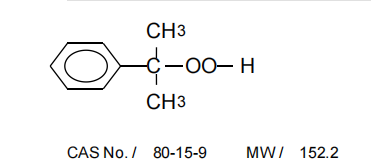
Cumene Hydroperoxide 80S and CHP90 are also related chemicals. They are known to be reactive and can pose certain risks, especially in terms of their potential to cause fires and explosions. While their toxicity profiles may differ from the chemical with CAS 80-47-7, they all require careful handling and safety precautions.
Our Commitment as a Supplier
As a supplier of the chemical with CAS 80-47-7, we are committed to providing our customers with high - quality products while ensuring their safety. We follow all relevant safety regulations and guidelines in the production, storage, and transportation of this chemical. We also provide detailed safety data sheets (SDS) to our customers, which contain information on the chemical's properties, hazards, and safety measures.
We encourage our customers to use the chemical in a responsible manner and to implement appropriate safety protocols in their workplaces. Our technical support team is always available to answer any questions regarding the safe handling and use of this chemical.
Conclusion
In conclusion, the chemical with CAS 80-47-7 has the potential to be toxic, especially under certain exposure conditions. While the evidence of its long - term effects is still being investigated, it is clear that proper safety measures should be taken to minimize the risks associated with its use.
If you are interested in purchasing the chemical with CAS 80-47-7, we invite you to contact us for further discussions. Our team of experts can provide you with more information on the product, its applications, and safety considerations. We look forward to working with you to meet your chemical needs in a safe and responsible manner.
References
- Toxicological Review of [Chemical Name with CAS 80 - 47 - 7], National Toxicology Program.
- Occupational Safety and Health Administration (OSHA) Standards for Chemicals in the Workplace.
- Scientific Studies on the Mode of Action of [Chemical Name with CAS 80 - 47 - 7], Journal of Toxicology and Environmental Health.