





Hey there! As a supplier of DTBP (Di-tert-butyl peroxide), I've gotten a lot of questions lately about its health hazards. So, I thought I'd sit down and write this blog to share some important info on the topic.
First off, let's talk a bit about what DTBP is. It's an organic peroxide that's widely used in various industries. It's a key ingredient in the production of polymers, like in the manufacturing of plastics. It also plays a role in the rubber industry for vulcanization processes. And it's used as a cross - linking agent and initiator in chemical reactions.
Now, let's dig into the health hazards. DTBP is a highly reactive and potentially dangerous chemical. One of the most immediate risks is its flammability. It can catch fire easily and burn very rapidly. If there's a spill or a leak in an environment where there's an ignition source, it can lead to a serious fire or even an explosion. This is not just a threat to property but also a huge risk to anyone in the vicinity.
When it comes to health risks for people, inhalation is a major concern. Breathing in DTBP vapors can cause irritation to the respiratory tract. This might start with a simple cough or a sore throat, but in more severe cases, it can lead to difficulty breathing, shortness of breath, and even pulmonary edema. That's a condition where fluid builds up in the lungs, which is extremely serious and can be life - threatening.
Skin contact is another issue. DTBP can cause irritation and burns on the skin. If you get it on your hands or any other part of your body, it can start to sting and redden the skin. Prolonged or repeated contact can lead to more severe skin damage, like blisters and ulceration. And if it gets into your eyes, it can cause severe eye irritation, pain, and even permanent damage to your vision.
Ingestion of DTBP is extremely dangerous. Swallowing even a small amount can cause serious harm to the digestive system. It can lead to nausea, vomiting, abdominal pain, and in the worst - case scenario, it can cause internal bleeding and organ damage.

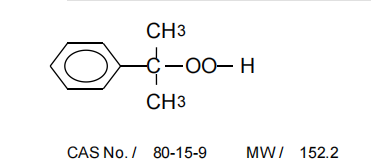
Now, let's talk about some of the safety measures that are in place to deal with these hazards. When handling DTBP, it's crucial to use proper personal protective equipment (PPE). This includes things like gloves made of materials that are resistant to the chemical, safety goggles to protect your eyes, and respirators to prevent inhalation of the vapors.
In the workplace, there should be strict storage and handling procedures. DTBP should be stored in a cool, well - ventilated area away from heat sources, oxidizing agents, and combustible materials. Spill response plans should also be in place so that if an accident happens, it can be dealt with quickly and safely.
As a supplier, we're committed to providing our customers with all the necessary information about the safe use of DTBP. We also offer other related products that might be of interest to you. For example, if you're looking for other organic peroxides, we have CHP90. It has its own unique properties and applications in the industry. Another option is DCP | CAS 80 - 43 - 3 | Dicumyl Peroxide, which is also widely used in polymer production. And we also have 101 - 45 - PS, which has its own set of uses in the chemical industry.
It's important to note that while DTBP has these health hazards, when used correctly and with proper safety precautions, it can be a valuable tool in many industrial processes. We're here to support you in using it safely and effectively.
If you're in the market for DTBP or any of our other products, we'd love to have a chat with you. Whether you have questions about the health hazards, safety procedures, or just want to know more about our products, don't hesitate to reach out. We're always happy to help you make the best choices for your business.
In conclusion, DTBP is a powerful chemical with some significant health hazards. But with the right knowledge and safety measures, these risks can be managed. And as your supplier, we're here to be your partner in ensuring that you can use our products safely and efficiently. So, if you're interested in learning more or starting a purchase, let's get in touch and have a productive conversation.
References:
- "Chemical Safety Data Sheet for Di - tert - butyl peroxide"
- Industry reports on the use and safety of organic peroxides.