




Hey there! I'm a supplier of TAHP (Tert-Amyl Hydroperoxide), and in this blog, I'll dive into the legal issues related to TAHP. It's super important for us in the business to understand these legal aspects to keep things running smoothly and safely.
First off, let's talk about what TAHP is. TAHP is a powerful organic peroxide that's widely used in various industries, like polymer production, chemical synthesis, and as a curing agent. It's a pretty handy chemical, but with great power comes great responsibility, right? And that responsibility often comes in the form of legal regulations.
Regulatory Classification
TAHP is classified as a hazardous substance in many countries. This classification is based on its chemical properties, which include being highly reactive and potentially explosive. For example, in the United States, the Occupational Safety and Health Administration (OSHA) and the Environmental Protection Agency (EPA) have strict regulations regarding the handling, storage, and transportation of hazardous chemicals like TAHP.
In the European Union, the REACH (Registration, Evaluation, Authorization and Restriction of Chemicals) regulation also plays a huge role. It requires companies to register the chemicals they produce or import, and to provide detailed information about their properties, uses, and potential risks. As a TAHP supplier, I have to make sure that I comply with all these registration requirements. If I don't, I could face some serious legal consequences, like hefty fines or even having my business shut down.
Safety Data Sheets (SDS)
One of the key legal requirements when dealing with TAHP is providing a Safety Data Sheet (SDS). An SDS is a document that contains detailed information about the chemical, including its physical and chemical properties, health hazards, first-aid measures, and handling and storage instructions. As a supplier, I'm legally obligated to provide an up-to-date SDS to my customers.


The SDS is not just a piece of paper; it's a crucial tool for ensuring the safety of everyone who comes into contact with TAHP. For example, workers in a factory that uses TAHP need to know how to handle it safely to avoid accidents. The SDS provides them with the necessary information to do so. If I fail to provide an accurate SDS, and someone gets hurt because of it, I could be held liable for their injuries.
Transportation Regulations
Transporting TAHP is another area where there are strict legal regulations. TAHP is considered a dangerous good, and its transportation is subject to the International Maritime Dangerous Goods (IMDG) Code, the International Air Transport Association (IATA) Dangerous Goods Regulations, and the Department of Transportation (DOT) regulations in the United States.
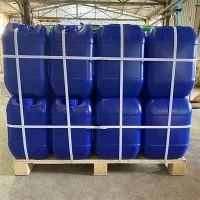
These regulations cover everything from the packaging and labeling of TAHP to the training of the personnel involved in its transportation. For example, TAHP must be packaged in special containers that are designed to prevent leaks and spills. The containers must also be labeled with the appropriate hazard symbols and warning messages. If I don't follow these transportation regulations, I could face legal issues, and more importantly, I could put the lives of the people involved in the transportation at risk.
Environmental Regulations
TAHP can have a significant impact on the environment if it's not handled properly. For example, if it's released into the water or soil, it can contaminate these resources and harm the ecosystem. As a result, there are strict environmental regulations regarding the disposal of TAHP.
In many countries, it's illegal to dispose of TAHP in an improper way. Instead, it must be disposed of through approved waste management facilities. These facilities have the necessary equipment and expertise to handle TAHP safely and to minimize its impact on the environment. As a supplier, I need to make sure that my customers are aware of these environmental regulations and that they dispose of TAHP properly. If I'm found to be responsible for the improper disposal of TAHP, I could face legal action from environmental authorities.
Liability Issues
Liability is a big concern when it comes to TAHP. If something goes wrong, like an explosion or a chemical spill, the supplier can be held liable for the damages. This includes property damage, personal injuries, and environmental harm.
To protect myself from liability, I need to make sure that I follow all the legal regulations regarding TAHP. I also need to have proper insurance coverage. Insurance can help me cover the costs of any damages that I may be held liable for. However, insurance is not a substitute for following the law. I still need to take all the necessary precautions to ensure the safety of my customers and the environment.
International Trade Regulations
If I'm involved in international trade of TAHP, I need to be aware of the various international trade regulations. These regulations can include import and export restrictions, tariffs, and trade agreements.
For example, some countries may have restrictions on the import of TAHP due to its hazardous nature. I need to make sure that I comply with these restrictions before I try to export TAHP to these countries. Otherwise, I could face legal issues, like having my shipment seized or being fined.
Conclusion
In conclusion, there are many legal issues related to TAHP. As a supplier, I need to be aware of all these issues and to comply with all the relevant regulations. This includes regulatory classification, providing accurate Safety Data Sheets, following transportation and environmental regulations, managing liability, and complying with international trade regulations.
If you're interested in purchasing TAHP, I'm here to help. I can provide you with all the necessary information and support to ensure that you can use TAHP safely and legally. Just reach out to me, and we can start a discussion about your specific needs. Whether you're a small business or a large corporation, I'm committed to providing you with high-quality TAHP and excellent customer service. So, don't hesitate to get in touch and let's talk about how we can work together.
For more information about related products, you can check out these links:
- TMCH | CAS 6731-36-8 | 1,1-Di-(tert-butylperoxy)-3,3,5-trimethylcyclohexane
- Tert-Amyl Hydroperoxide
- BPO | CAS 94-36-0 | Dibenzoyl Peroxide
References
- Occupational Safety and Health Administration (OSHA) regulations
- Environmental Protection Agency (EPA) regulations
- REACH (Registration, Evaluation, Authorization and Restriction of Chemicals) regulation
- International Maritime Dangerous Goods (IMDG) Code
- International Air Transport Association (IATA) Dangerous Goods Regulations
- Department of Transportation (DOT) regulations