


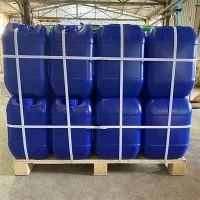


Hey there! I'm a supplier of water base resin, and I know how important it is to use this stuff safely. Water base resin is a super useful material, but like any chemical product, it comes with its own set of safety precautions. In this blog, I'll share some key safety tips to keep in mind when you're working with water base resin.
Personal Protective Equipment (PPE)
First off, let's talk about personal protective equipment. This is your first line of defense when using water base resin. You should always wear gloves to protect your hands from direct contact with the resin. Latex or nitrile gloves work great. They prevent the resin from causing skin irritation or allergic reactions.
Next, goggles are a must. When you're mixing or pouring the resin, there's a risk of splashes. Getting resin in your eyes can be extremely painful and cause serious damage. So, make sure you've got a good pair of safety goggles on at all times.
A respirator is also important, especially if you're working in an area with poor ventilation. Water base resin can release fumes, and inhaling these fumes can be harmful to your respiratory system. A respirator with the appropriate filters will help you breathe clean air while you're working.
Ventilation
Speaking of ventilation, it's crucial to work in a well - ventilated area. Good ventilation helps to disperse the fumes that the resin releases. If you're working indoors, open windows and doors to let fresh air in. You can also use a fan to improve air circulation.
If you're doing large - scale projects, consider using a ventilation hood. This is a device that sucks in the fumes and expels them outside. It's a great way to keep the air in your workspace clean and safe.
Storage
Proper storage of water base resin is essential for safety. Store the resin in a cool, dry place away from direct sunlight. High temperatures can cause the resin to degrade or even react in unexpected ways.
Keep the resin containers tightly sealed when not in use. This prevents spills and also stops the resin from drying out. Make sure to store the resin away from sources of heat, sparks, or open flames. Some resins are flammable, and you don't want to risk a fire.
Handling and Mixing
When handling water base resin, be careful not to spill it. If a spill does occur, clean it up immediately. Use absorbent materials like paper towels or sawdust to soak up the resin. Dispose of the contaminated materials properly according to local regulations.
Mixing the resin correctly is also important. Follow the manufacturer's instructions carefully. Use the right ratio of resin and hardener (if applicable). Mixing too much or too little of either component can affect the quality of the final product and may even create a hazardous situation.
Some water base resins may require the use of initiators or catalysts. For example, TBPO | CAS 3006 - 82 - 4 | Tert - butylperoxy - 2 - ethylhexanoate [/organic - peroxides/tbpo - cas - 3006 - 82 - 4 - tert - butylperoxy - 2.html] is a common initiator. Make sure you understand how to handle these chemicals safely. They can be reactive and need to be stored and used with extra caution.


Compatibility
Be aware of the compatibility of water base resin with other materials. Some substances can react with the resin and cause unwanted chemical reactions. For example, don't mix the resin with strong acids or bases unless you're sure it's safe to do so.
If you're using the resin in combination with other products, do a small test first. This will help you avoid any big problems down the line.
Emergency Preparedness
It's always a good idea to be prepared for emergencies. Have a first - aid kit on hand in case of accidental contact with the resin. If resin gets on your skin, wash it off immediately with plenty of soap and water. If it gets in your eyes, flush your eyes with water for at least 15 minutes and seek medical attention right away.
Know the location of the nearest fire extinguisher. In case of a fire, you'll need to act quickly. Make sure everyone in your workspace knows how to use the fire extinguisher properly.
Waste Disposal
Proper waste disposal is another important safety aspect. Don't pour unused resin down the drain. It can clog pipes and cause environmental problems. Instead, follow local regulations for disposing of chemical waste.
Some water base resins can be recycled. Check with your local recycling facilities to see if they accept resin waste. If not, you may need to dispose of it as hazardous waste.
Additional Chemicals
There are other chemicals that are sometimes used in conjunction with water base resin. For example, Tert - Amyl Hydroperoxide [/organic - peroxides/tert - amyl - hydroperoxide - factory.html] and PMHP | CAS 80 - 47 - 7 | Paramenthane Hydroperoxide [/organic - peroxides/pmhp - cas - 80 - 47 - 7 - paramenthane - hydroperoxide.html]. These chemicals have their own safety requirements. Make sure you read the safety data sheets (SDS) for each chemical before using them.
Conclusion
Using water base resin can be a fun and rewarding experience, but it's important to do it safely. By following these safety precautions, you can minimize the risks and enjoy working with this versatile material.
If you're in the market for high - quality water base resin, I'm here to help. Whether you're a hobbyist or a professional, I can provide you with the right resin for your project. Just reach out to me to start the procurement process and let's have a chat about your needs.
References
- Safety Data Sheets of water base resin and related chemicals
- Industry best practices for working with water base resin