




Hey there! As a supplier of TBHP (CAS 75 - 91 - 2), I often get asked about its flash point. So, let's dive right into it and break down what the flash point of TBHP is all about.
First off, what's a flash point? Well, in simple terms, the flash point of a chemical is the lowest temperature at which it can vaporize to form an ignitable mixture in air. It's a crucial safety parameter, especially when it comes to handling, storing, and transporting chemicals. If a chemical reaches its flash point and there's an ignition source nearby, it can catch fire or even explode.
Now, let's talk specifically about TBHP. TBHP stands for tert - butyl hydroperoxide. It's a widely used organic peroxide in various industries. TBHP has a flash point of around 26°C (78.8°F). This relatively low flash point means that it's quite flammable and needs to be handled with extreme care.


You might be wondering why TBHP is so important if it's so flammable. Well, it has a lot of uses. In the chemical industry, it's used as an initiator for polymerization reactions. It helps kick - start the process of making plastics and other polymers. It's also used as an oxidizing agent in some chemical synthesis processes.
But because of its low flash point, proper safety measures are a must. When storing TBHP, it should be kept in a cool, well - ventilated area away from heat sources, open flames, and incompatible materials. Workers handling TBHP should wear appropriate personal protective equipment, like gloves, goggles, and fire - resistant clothing.
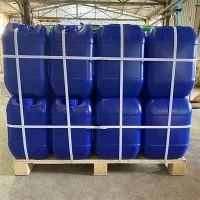
As a supplier, we take all these safety aspects very seriously. We make sure that the TBHP we supply meets the highest quality and safety standards. We package it in special containers designed to prevent leakage and minimize the risk of ignition.
Now, let's compare TBHP with some other organic peroxides. For example, Di - Tert - Butyl Peroxide Di - Tert - Butyl Peroxide has different properties compared to TBHP. Di - Tert - Butyl Peroxide is also an important organic peroxide used in the chemical industry, but its flash point and reactivity are different. Understanding these differences is crucial for choosing the right peroxide for a specific application.
Another related organic peroxide is DHBP | CAS 78 - 63 - 7 | 2,5 - Dimethyl - 2,5 - di(tert - butylperoxy)hexane DHBP | CAS 78 - 63 - 7 | 2,5 - Dimethyl - 2,5 - di(tert - butylperoxy)hexane. It has its own unique set of properties and applications. It's often used in the rubber and plastics industries for cross - linking reactions.
TBCP | CAS 3457 - 61 - 2 | Tert - butyl Cumyl Peroxide TBCP | CAS 3457 - 61 - 2 | Tert - butyl Cumyl Peroxide is yet another organic peroxide. It's used in similar applications as TBHP but with its own specific characteristics.
When it comes to choosing between these different organic peroxides, the flash point is just one factor to consider. Other factors like reactivity, stability, and cost also play important roles. For example, if you need a peroxide for a high - temperature polymerization reaction, you might choose one with a higher flash point and better thermal stability.
As a supplier, we can help you make the right choice. We have a team of experts who can provide you with detailed information about the properties and applications of TBHP and other organic peroxides. We can also offer technical support to ensure that you use these chemicals safely and effectively.
If you're in an industry that uses organic peroxides and you're looking for a reliable supplier, we'd love to hear from you. Whether you need TBHP for a small - scale research project or for large - scale industrial production, we can meet your needs. We offer competitive prices and high - quality products.
Contact us if you're interested in learning more or starting a purchase negotiation. We're here to help you find the best organic peroxide solutions for your business.
References
- "Handbook of Organic Peroxides", Wiley - VCH Verlag GmbH & Co. KGaA
- Chemical Safety Data Sheets for TBHP, Di - Tert - Butyl Peroxide, DHBP, and TBCP