


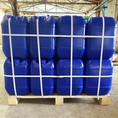


Hey there! As a supplier of Di-tert-butyl peroxide (DTBP), I'm super excited to chat with you about the types of plastics that can be produced using this amazing chemical. DTBP is a versatile organic peroxide that plays a crucial role in the plastic manufacturing industry. So, let's dive right in!
Polyethylene (PE)
One of the most common plastics produced with DTBP is polyethylene. There are two main types of polyethylene: low-density polyethylene (LDPE) and high-density polyethylene (HDPE).
LDPE
LDPE is known for its flexibility, transparency, and excellent chemical resistance. DTBP is used as a free radical initiator in the polymerization process of LDPE. When DTBP decomposes at high temperatures, it generates free radicals that start the chain reaction of ethylene monomers, leading to the formation of long polymer chains. The use of DTBP allows for better control of the polymerization rate and the properties of the final LDPE product. LDPE is widely used in applications such as plastic bags, films, and coatings.
HDPE
HDPE, on the other hand, is more rigid and has a higher density compared to LDPE. DTBP also plays a vital role in the production of HDPE. It helps in achieving a high degree of polymerization and a more uniform molecular structure. HDPE is commonly used in products like pipes, containers, and automotive parts due to its strength and durability.
Polypropylene (PP)
Polypropylene is another important plastic that can be produced with the help of DTBP. PP is a lightweight, strong, and heat-resistant plastic. DTBP is used as a crosslinking agent and a free radical initiator in the production of PP. It helps in improving the mechanical properties of PP, such as its stiffness and impact resistance. PP is used in a wide range of applications, including packaging, textiles, and automotive components.
Polystyrene (PS)
Polystyrene is a versatile plastic that comes in two main forms: expanded polystyrene (EPS) and general-purpose polystyrene (GPPS).
EPS
EPS is a lightweight, insulating material that is commonly used in packaging and construction. DTBP is used in the production of EPS to initiate the polymerization of styrene monomers and to control the expansion process. The free radicals generated by DTBP help in forming the polymer chains, and the controlled expansion creates the characteristic cellular structure of EPS.
GPPS
GPPS is a clear, rigid plastic that is used in applications such as disposable cutlery, CD cases, and toys. DTBP is used to initiate the polymerization of styrene to produce GPPS. It helps in achieving a high molecular weight and a uniform polymer structure, resulting in a high-quality GPPS product.


Polyvinyl Chloride (PVC)
PVC is a widely used plastic known for its durability, chemical resistance, and versatility. DTBP can be used in the production of PVC as a free radical initiator. It helps in starting the polymerization of vinyl chloride monomers. PVC is used in a variety of applications, including pipes, window frames, and electrical cables.
Other Plastics
In addition to the above-mentioned plastics, DTBP can also be used in the production of other specialty plastics. For example, it can be used in the production of unsaturated polyester resins, which are used in fiberglass-reinforced plastics. DTBP helps in the crosslinking process of the polyester resin, making the final product stronger and more rigid.
Comparison with Other Organic Peroxides
While DTBP is a great choice for plastic production, there are other organic peroxides available in the market. For example, MEKP | CAS 1338-23-4 | Methyl Ethyl Ketone Peroxide, Cumene Hydroperoxide 80S, and Dibenzoyl Peroxide are also commonly used. However, DTBP has some advantages over these peroxides.
DTBP has a relatively high decomposition temperature, which means it can be used in high-temperature polymerization processes. It also has a long shelf life and is more stable compared to some other peroxides. These properties make DTBP a preferred choice for many plastic manufacturers.
Why Choose Our DTBP?
As a supplier of DTBP, we take pride in providing high-quality products. Our DTBP is produced using state-of-the-art manufacturing processes, ensuring its purity and consistency. We also offer excellent customer service and technical support. Whether you are a small-scale plastic manufacturer or a large industrial company, we can meet your DTBP requirements.
If you are in the plastic manufacturing industry and are looking for a reliable source of DTBP, we'd love to hear from you. We can provide you with samples and discuss your specific needs. Contact us to start a conversation about how our DTBP can help you produce high-quality plastics.
References
- "Plastics: Materials and Processing" by Charles A. Harper
- "Handbook of Polymer Synthesis" by Krzysztof Matyjaszewski and Yves Gnanou