4-Fluorobenzoyl Chloride is an aromatic acyl chloride used to introduce a 4-fluorobenzoyl group into organic synthesis routes. Its defined para-fluoro structure and reactive acid chloride group make it a useful intermediate for acylation processes. The product is identified by CAS No. 403-43-0, molecular formula C₇H₄ClFO, and molecular weight 158.56 g/mol.
Key Product Characteristics
Para-fluoro structure
The fluorine substituent is positioned at the para site of the benzoyl ring, providing a defined fluorinated aromatic unit for synthesis.
Reactive acyl group
The acid chloride functionality provides a direct reaction site for acylation with suitable nucleophilic compounds.
Controlled physical state
The material is a liquid around standard room-temperature conditions, with a melting point of approximately 10–12°C.
Technical Specifications
|
Parameter |
Value |
|
Product Name |
4-Fluorobenzoyl Chloride |
|
CAS No. |
403-43-0 |
|
Molecular Formula |
C₇H₄ClFO |
|
Molecular Weight |
158.56 g/mol |
|
Physical Form |
Liquid |
|
Melting Point |
10–12°C |
|
Boiling Point |
82°C at 20 mmHg |
|
Density |
1.342 g/mL at 25°C |
|
Refractive Index |
1.532 |
|
Flash Point |
82°C |
Application Scope
Pharmaceutical intermediates
Used in synthesis routes requiring a 4-fluorobenzoyl structural unit.
Agrochemical intermediates
Applicable to fine chemical synthesis involving fluorinated aromatic intermediates.
Organic synthesis
Used where an aromatic acid chloride is required for controlled introduction of the benzoyl group.
Selection Points
Assay requirement
Set the required assay before order confirmation and align it with the reaction specification and downstream product requirements.
Physical properties
The 10–12°C melting range should be considered when defining storage, transfer, sampling, and handling conditions.
Batch consistency
For repeat production, agreed assay and physical-property limits provide a consistent basis for incoming inspection.
Quality Control Focus
Identity confirmation
Verify CAS No., molecular formula, molecular weight, and analytical identification against the approved specification.
Assay release
Use the agreed assay method and acceptance range as a defined batch-release criterion.
Physical testing
Appearance, density, refractive index, and other agreed parameters can be included in batch quality records.
Storage and Handling
Moisture protection
Keep containers tightly closed and limit exposure to moisture during storage, transfer, and sampling.
Temperature control
Consider the 10–12°C melting range when setting handling and storage conditions.
Handling procedure
Use suitable chemical-resistant equipment, local ventilation, gloves, eye protection, and the controls specified in the applicable SDS.
Packaging and Documentation
Sealed packaging
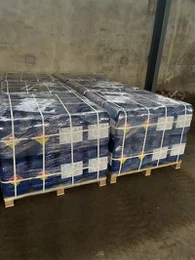
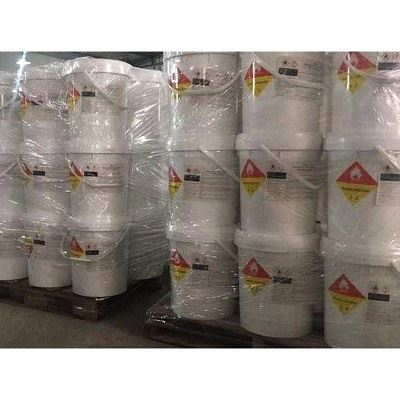
Use packaging that maintains container integrity and protects the material from moisture during storage and transport.
Quality documents
Product documentation can include specification sheets, SDS, and batch-specific COA according to the agreed supply requirements.
Shipment preparation
Packaging and transport arrangements should match the applicable chemical classification and destination-market requirements.
Supply Evaluation
Specification review
Confirm assay, appearance, analytical requirements, packaging format, and order quantity before production release.
Batch traceability
Batch identification and corresponding quality records provide a clear reference for incoming inspection and production documentation.
Delivery coordination
For scheduled or repeat orders, confirm quantity, packaging, documentation, and delivery requirements before shipment planning.
Why 4-Fluorobenzoyl Chloride Fits Process Development
4-Fluorobenzoyl Chloride combines a defined para-fluoro aromatic structure with a reactive acid chloride group. Its selection can be evaluated through chemical identity, assay, physical properties, batch documentation, and handling requirements, providing clear technical criteria for process development and production use.
Frequently Asked Questions
Q: What is the CAS number of 4-Fluorobenzoyl Chloride?
A: The CAS number is 403-43-0.
Q: What is the molecular weight?
A: The molecular weight is 158.56 g/mol.
Q: What is the physical form?
A: It is generally handled as a liquid, with a melting point of approximately 10–12°C.
Q: What is 4-Fluorobenzoyl Chloride used for?
A: It is used as an aromatic acylating intermediate in pharmaceutical, agrochemical, and fine chemical synthesis.
Q: What should be considered during storage?
A: The material should be kept tightly closed and protected from moisture. Storage and handling conditions should also account for its melting range.
Q: What should be confirmed before ordering?
A: Confirm the required assay, specification, packaging, quantity, quality documents, and destination-specific transport requirements before order placement.
Hot Tags: 4-fluorobenzoyl chloride, China 4-fluorobenzoyl chloride manufacturers, suppliers, factory