


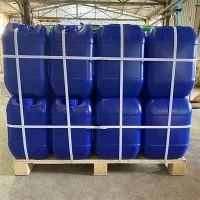


Can Poly - Putty Base be used on fiberglass?
As a supplier of Poly - Putty Base, I often receive inquiries from customers about the compatibility of our product with fiberglass. In this blog post, I will delve into the topic to provide a comprehensive answer and offer insights into the practical applications and considerations.


Understanding Poly - Putty Base
Poly - Putty Base is a versatile material known for its excellent filling and shaping properties. It is commonly used in various industries for surface repair, smoothing, and finishing. The base typically consists of a polymer resin combined with fillers and additives to achieve the desired consistency and performance. Its high strength, good adhesion, and resistance to chemicals make it a popular choice for many applications.
Fiberglass: A Widely Used Material
Fiberglass is a composite material made of fine glass fibers embedded in a resin matrix. It is valued for its high strength - to - weight ratio, corrosion resistance, and durability. Fiberglass is used in a wide range of applications, including automotive parts, boats, aerospace components, and construction materials. However, its surface characteristics can pose challenges when it comes to applying other materials.
Compatibility between Poly - Putty Base and Fiberglass
The compatibility of Poly - Putty Base with fiberglass depends on several factors. Firstly, the chemical composition of the putty base and the fiberglass resin needs to be considered. Most modern Poly - Putty Bases are formulated to have good adhesion to a variety of substrates, including fiberglass. However, it is essential to ensure that the putty does not react negatively with the fiberglass resin.
In general, if the fiberglass surface is clean, dry, and free of contaminants, the Poly - Putty Base can adhere well. Cleaning the fiberglass surface with a suitable solvent to remove any grease, oil, or dust is crucial. This step helps to create a better bonding surface for the putty.
Another important factor is the curing process. Poly - Putty Base usually cures through a chemical reaction, often initiated by a catalyst. The curing time and conditions need to be carefully controlled to ensure proper adhesion to the fiberglass. If the curing process is too fast or too slow, it can affect the bond strength between the putty and the fiberglass.
Advantages of Using Poly - Putty Base on Fiberglass
There are several advantages to using Poly - Putty Base on fiberglass. One of the main benefits is its ability to fill in imperfections and dents on the fiberglass surface. Fiberglass parts may have small cracks, scratches, or uneven areas during the manufacturing process or due to wear and tear. Poly - Putty Base can be used to smooth out these imperfections, providing a more aesthetically pleasing finish.
It also enhances the overall strength of the fiberglass structure. By filling in the voids and cracks, the putty helps to distribute the stress more evenly across the surface, reducing the risk of further damage. Additionally, Poly - Putty Base can improve the resistance of the fiberglass to environmental factors such as moisture and chemicals.
Challenges and Considerations
While Poly - Putty Base can be used on fiberglass, there are some challenges and considerations. One of the challenges is the sanding process. After the putty has cured, it needs to be sanded to achieve a smooth finish. Fiberglass is a relatively hard material, and sanding the putty on a fiberglass surface requires the use of appropriate sandpaper grits and techniques. If not done correctly, it can damage the fiberglass surface or leave an uneven finish.
Another consideration is the choice of catalyst. Different catalysts can affect the curing time and properties of the Poly - Putty Base. For example, Cumene Hydroperoxide 80S is a commonly used catalyst in some putty formulations. It offers a certain curing speed and performance. TBPIN | CAS 13122 - 18 - 4 | Tert - butylperoxy - 3,5,5 - trimethylhexanoate and TBCP | CAS 3457 - 61 - 2 | Tert - butyl Cumyl Peroxide are also catalysts with their own characteristics. The choice of catalyst should be based on the specific requirements of the application, such as the ambient temperature and the desired curing time.
Practical Applications
In the automotive industry, Poly - Putty Base can be used to repair fiberglass body panels. It can fill in dents and scratches, and then be sanded and painted to match the original finish. In the marine industry, it is used to repair fiberglass boats. The putty can be applied to damaged areas of the hull, such as cracks or holes, to restore the integrity of the structure.
In the construction field, fiberglass components may need to be repaired or modified. Poly - Putty Base can be used to fill in gaps and smooth out the surface of fiberglass partitions or facades.
Conclusion
In conclusion, Poly - Putty Base can be used on fiberglass, but it requires careful consideration of several factors. Ensuring the compatibility of the materials, proper surface preparation, and correct curing and finishing processes are essential for a successful application. When used correctly, Poly - Putty Base can enhance the appearance and performance of fiberglass components.
If you are interested in our Poly - Putty Base products for your fiberglass applications, we invite you to contact us for more information and to discuss your specific requirements. Our team of experts is ready to assist you in finding the best solutions for your projects.
References
- "Composite Materials Handbook" by ASM International
- "Fiberglass Technology and Applications" by Paul A. Lagace
- Technical data sheets of our Poly - Putty Base products