


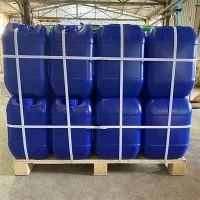


Hey there! As a supplier of Poly - Putty Base, I often get asked if this stuff can be used on wood. Well, let's dive right into it and find out.
First off, what is Poly - Putty Base? It's a versatile product that has a bunch of uses in the construction and DIY world. It's thick, paste - like, and can be molded and shaped easily. It's usually used for filling gaps, cracks, and holes in various surfaces. But can it work its magic on wood?
Compatibility with Wood
Wood is a natural material, and it has its own unique characteristics. One of the key things to consider when using any product on wood is how it will interact with the wood's surface. Poly - Putty Base has some properties that make it potentially suitable for use on wood.
It has good adhesion properties. This means that it can stick well to the wood surface, especially if the wood is clean and free of dust, dirt, and oil. When you're planning to use Poly - Putty Base on wood, it's a good idea to sand the area first. Sanding helps to create a rough surface, which gives the putty something to grip onto.
However, wood is porous. It can absorb moisture, and this can sometimes affect the performance of the Poly - Putty Base. If the wood is too wet, the putty might not dry properly or could develop cracks over time. So, it's crucial to make sure the wood is dry before applying the putty.
Advantages of Using Poly - Putty Base on Wood
There are several benefits to using Poly - Putty Base on wood.
Filling Gaps and Holes
Wood can develop gaps and holes over time, whether it's due to natural wear and tear, insect damage, or just the way it was initially constructed. Poly - Putty Base can be a great solution for filling these imperfections. You can apply it directly into the gap or hole, smooth it out, and once it dries, it will blend in nicely with the surrounding wood. This not only improves the appearance of the wood but also helps to strengthen it.
Shaping and Molding
Another advantage is its ability to be shaped and molded. If you're working on a wood project where you need to create a specific shape or add some decorative elements, Poly - Putty Base can be a great tool. You can sculpt it into the desired form and then let it dry. Once dry, it will hold its shape, allowing you to create unique and customized wood pieces.
Durability
Poly - Putty Base is generally quite durable. Once it's applied to the wood and has fully cured, it can withstand a fair amount of stress and handling. This means that the repairs or modifications you make to the wood using the putty are likely to last for a long time.
Disadvantages and Considerations
Of course, there are also some things to watch out for when using Poly - Putty Base on wood.
Color Matching
One of the biggest challenges can be color matching. Wood comes in a wide range of colors and tones, and it can be difficult to find a Poly - Putty Base that exactly matches the color of the wood. You might need to paint the putty after it dries to achieve a more seamless look. This adds an extra step to the process, but it can make a big difference in the final appearance.
Chemical Compatibility
Some types of Poly - Putty Base contain chemicals that might not be completely compatible with all types of wood. For example, certain woods might react with the Di - Lauroyl Peroxide or DTBP | CAS 110 - 05 - 4 | Di - tert - butyl Peroxide that are sometimes present in the putty. Before using the putty on a large area, it's a good idea to do a small test patch on an inconspicuous part of the wood to check for any adverse reactions.
Drying Time
The drying time of Poly - Putty Base can be affected by the wood's porosity and the environmental conditions. In a humid environment, the putty might take longer to dry. Also, if the wood is absorbing moisture from the putty, it can slow down the drying process. You need to be patient and make sure the putty is fully dry before moving on to any further steps, such as sanding or painting.


Application Process
Here's a step - by - step guide on how to use Poly - Putty Base on wood:
- Prepare the Wood: Sand the area where you'll be applying the putty to create a rough surface. Clean the wood thoroughly to remove any dust, dirt, or oil. You can use a damp cloth and let the wood dry completely.
- Mix the Putty: If your Poly - Putty Base requires mixing, follow the manufacturer's instructions carefully. Make sure the putty is well - blended.
- Apply the Putty: Use a putty knife or a similar tool to apply the putty to the wood. Press it firmly into the gaps, holes, or areas you want to fill. Smooth out the surface of the putty as much as possible.
- Let it Dry: As mentioned earlier, this can take some time depending on the conditions. Be patient and wait for the putty to dry completely.
- Sand and Finish: Once the putty is dry, sand it down to make it level with the surrounding wood. You can then paint or stain the putty to match the wood color.
Safety Precautions
When working with Poly - Putty Base, it's important to take some safety precautions.
- Ventilation: Make sure you're working in a well - ventilated area. Some of the chemicals in the putty, like Tertial - butyl(2 - ethylhexyl)Monoperoxy Carbonate, can release fumes that might be harmful if inhaled in large quantities.
- Protective Gear: Wear gloves to protect your hands from the putty. Some people might have an allergic reaction to the chemicals in the putty, so it's better to be safe.
Conclusion
So, can Poly - Putty Base be used on wood? The answer is yes, but with some considerations. It has its advantages, such as good adhesion, the ability to fill gaps and shape, and durability. However, there are also challenges like color matching, chemical compatibility, and drying time.
If you're interested in using our high - quality Poly - Putty Base for your wood projects, feel free to reach out to us for more information and to start a procurement discussion. We're here to help you make the most of this versatile product.
References
- Woodworking Handbook: A Guide to Wood Properties and Applications
- Manufacturer's Instructions for Poly - Putty Base Products