


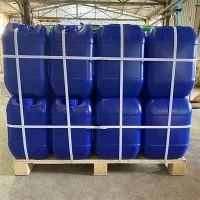


As a marble glue supplier, I understand the crucial importance of ensuring the compatibility of marble glue with different types of marble. In this blog, I'll share some practical and scientific methods on how to test this compatibility, which will not only help customers make informed decisions but also guarantee the best results for their marble projects.
Understanding the Basics of Marble and Marble Glue
Before diving into the testing process, it's essential to have a basic understanding of marble and marble glue. Marble is a natural stone composed mainly of calcite or dolomite. It comes in various colors, patterns, and porosities, which can significantly affect its interaction with glue. Marble glue, on the other hand, is a specialized adhesive designed to bond marble pieces together. Different types of marble glue are formulated with various chemical compositions to meet different bonding requirements.
The most common types of marble glue include epoxy-based and polyester-based glues. Epoxy glues are known for their high strength, durability, and resistance to chemicals and moisture. Polyester glues, often used in combination with catalysts like MEKP | CAS 1338 - 23 - 4 | Methyl Ethyl Ketone Peroxide, offer fast curing times and are suitable for large - scale projects. Tert - Butyl Peroxybenzoate and TBEC | CAS 34443 - 12 - 4 | Tert - butyl (2 - ethylhexyl) Monoperoxy Carbonate are also used as initiators in some polyester - based marble glues to control the curing process.
Visual Inspection and Compatibility
The first step in testing the compatibility of marble glue with your marble is a visual inspection. This involves looking for any visible signs of reaction between the glue and the marble surface.
-
Color Compatibility:
- Apply a small amount of the marble glue on an inconspicuous area of the marble. Let it cure according to the manufacturer's instructions. After curing, check if there are any color changes in the marble or the glue. Some marbles may react with certain chemicals in the glue, causing discoloration. For example, acidic or alkaline components in the glue can react with the calcite in the marble, leading to a yellowing or darkening effect.
- Compare the color of the glued area with the surrounding marble. If there is a significant color difference, it may indicate a lack of color compatibility, which can be a major aesthetic issue, especially in visible areas of a marble project.
-
Surface Texture and Finish:
- Observe the surface texture of the marble after the glue has cured. The glue should not leave any rough or uneven patches on the marble surface. If the glue seeps into the pores of the marble and hardens, it can create a bumpy or gritty texture, which can be difficult to polish or smooth out.
- Check if the finish of the marble is affected. Some glues may dull or change the shine of the marble. This is particularly important for polished marbles, where maintaining the smooth and shiny finish is crucial for the overall appearance of the project.
Adhesion Testing
Adhesion is the most critical aspect of marble glue compatibility. A strong bond between the glue and the marble is essential to ensure the structural integrity of the bonded pieces.
-
Shear Test:
- Prepare two small pieces of the same type of marble. Apply the marble glue between the two pieces according to the recommended application method. Make sure the glue is evenly spread and the pieces are firmly pressed together.
- Allow the glue to cure completely. After curing, use a shear testing device or a simple mechanical setup to apply a lateral force to the bonded pieces. Gradually increase the force until the bond breaks.
- Measure the shear strength of the bond. Compare the results with the manufacturer's specifications for the glue. If the shear strength is significantly lower than expected, it may indicate poor adhesion, which could be due to factors such as improper surface preparation, contamination of the marble surface, or a lack of compatibility between the glue and the marble.
-
Tensile Test:


- Similar to the shear test, prepare two marble pieces and bond them together with the glue. After curing, use a tensile testing machine to apply a pulling force to the bonded pieces in the direction perpendicular to the bonding surface.
- Measure the tensile strength of the bond. A strong bond should be able to withstand a certain amount of pulling force without separating. Low tensile strength can be a sign of weak adhesion, which can lead to the failure of the bonded marble pieces under stress.
Chemical Resistance Testing
Marble is susceptible to chemical damage, and the marble glue should not introduce any chemicals that can harm the marble over time.
-
Acid Resistance:
- Prepare a diluted acid solution, such as acetic acid or hydrochloric acid, with a low concentration (e.g., 5 - 10%). Apply a small amount of the solution on the glued and unglued areas of the marble. Let it sit for a specified period, usually 24 - 48 hours.
- After the exposure period, rinse the marble with clean water and dry it. Check for any signs of etching, pitting, or discoloration on both the glued and unglued areas. If the glued area shows more severe damage than the unglued area, it may indicate that the glue is not providing sufficient chemical resistance or that it contains components that react with the acid and accelerate the damage to the marble.
-
Alkali Resistance:
- Prepare a diluted alkaline solution, such as sodium hydroxide or potassium hydroxide. Follow the same procedure as the acid resistance test. Apply the alkaline solution on the marble and observe any changes in the surface after the exposure period.
- Some marbles are more resistant to alkalis than acids, but certain glue formulations may still cause problems. If the marble shows signs of degradation or discoloration in the glued area, it suggests that the glue is not compatible with the marble in terms of alkali resistance.
Environmental Testing
Marble projects are often exposed to different environmental conditions, and the marble glue should be able to maintain its compatibility under these conditions.
-
Temperature and Humidity Testing:
- Place the bonded marble pieces in a controlled environment chamber. Set the chamber to different temperature and humidity levels to simulate real - world conditions. For example, you can test the glue at high temperatures (e.g., 50 - 60°C) and high humidity (e.g., 80 - 90% relative humidity) for a certain period.
- Check for any signs of bond failure, such as cracking, peeling, or loss of adhesion. High temperatures can cause the glue to expand and contract, which can put stress on the bond. High humidity can also affect the curing process and the long - term stability of the glue.
- Repeat the test at low temperatures (e.g., 0 - 10°C) to assess the performance of the glue in cold conditions. Some glues may become brittle at low temperatures, leading to a loss of adhesion.
-
UV Resistance Testing:
- If the marble project will be exposed to sunlight, it's important to test the UV resistance of the marble glue. Place the bonded marble pieces under a UV light source for a specified period, usually several weeks or months.
- Check for any color changes, cracking, or degradation of the glue or the marble. UV radiation can break down the chemical bonds in the glue and cause it to become brittle or discolored. This can affect both the appearance and the structural integrity of the bonded pieces.
Moisture and Water Resistance Testing
Marble is a porous material, and moisture can penetrate the pores and cause damage to the marble and the glue bond.
-
Water Immersion Test:
- Submerge the bonded marble pieces in water for a certain period, usually 7 - 14 days. Make sure the water covers the entire bonded area.
- After the immersion period, remove the pieces from the water and dry them. Check for any signs of water damage, such as swelling, delamination, or loss of adhesion. The glue should be able to prevent water from seeping into the bond and causing damage to the marble.
- Measure the change in weight of the bonded pieces before and after the water immersion test. An increase in weight may indicate that water has penetrated the bond, which can lead to long - term problems such as mold growth and corrosion.
-
Moisture Vapor Transmission Test:
- Use a moisture vapor transmission testing device to measure the rate at which moisture can pass through the bonded marble and the glue. This test is important for applications where the marble is exposed to high humidity or in contact with water on one side, such as in bathrooms or kitchens.
- A low moisture vapor transmission rate indicates that the glue provides good moisture resistance, which can help protect the marble from moisture - related damage.
Conclusion and Call to Action
Testing the compatibility of marble glue with your marble is a comprehensive process that involves visual inspection, adhesion testing, chemical resistance testing, environmental testing, and moisture resistance testing. By following these steps, you can ensure that the marble glue you choose is suitable for your specific marble type and project requirements.
As a marble glue supplier, I am committed to providing high - quality products that are compatible with a wide range of marbles. If you have any questions about marble glue compatibility or need assistance in selecting the right glue for your project, please feel free to contact us. We have a team of experts who can provide you with professional advice and support. Let's work together to achieve the best results for your marble projects.
References
- "Handbook of Adhesives" by I. Skeist.
- "Marble: Properties, Uses, and Conservation" by R. Lazzarini.
- Manufacturer's technical data sheets for marble glues and related chemicals.