


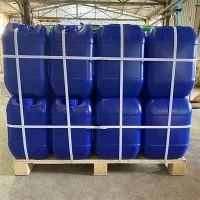


In the dynamic realm of the polymer industry, chemical compounds play a pivotal role in shaping the properties and performance of various polymer materials. One such compound that has gained significant prominence is Di-tert-butyl Peroxide (DTBP). As a leading supplier of DTBP, I am excited to delve into the diverse applications and functions of this remarkable chemical in the polymer industry.
Understanding DTBP
DTBP, with the CAS number 110 - 05 - 4, is an organic peroxide known for its high reactivity and excellent thermal stability. Its chemical structure consists of two tert - butyl groups attached to a peroxide linkage. This unique structure endows DTBP with the ability to generate free radicals under specific conditions, which is the key to its wide - ranging applications in the polymer industry. You can find more detailed information about DTBP on our website: DTBP | CAS 110 - 05 - 4 | Di - tert - butyl Peroxide.


Initiation of Polymerization
One of the primary uses of DTBP in the polymer industry is as a polymerization initiator. Polymerization is the process by which small molecules, called monomers, are linked together to form long - chain polymers. For this process to occur, an initiator is often required to start the reaction. DTBP serves as an effective initiator because it can decompose into free radicals when heated or in the presence of certain catalysts.
These free radicals then react with the monomers, causing them to start polymerizing. For example, in the production of polyethylene, DTBP can be used to initiate the polymerization of ethylene monomers. The free radicals generated from DTBP react with ethylene molecules, breaking the double bonds in the ethylene and allowing the monomers to link together to form polyethylene chains. This initiation process is crucial as it determines the rate of polymerization, the molecular weight of the resulting polymer, and the overall properties of the polymer product.
Cross - linking of Polymers
Cross - linking is another important application of DTBP in the polymer industry. Cross - linking refers to the formation of chemical bonds between polymer chains, which can significantly improve the mechanical properties, heat resistance, and chemical resistance of polymers. DTBP is widely used in the cross - linking of elastomers and thermoplastics.
In the case of elastomers such as natural rubber and synthetic rubbers like styrene - butadiene rubber (SBR), DTBP can be used to introduce cross - links between the polymer chains. When DTBP decomposes, the free radicals it generates react with the polymer chains, creating covalent bonds between them. This cross - linking process enhances the elasticity, strength, and durability of the rubber, making it suitable for a variety of applications, including tire manufacturing, rubber seals, and gaskets.
For thermoplastics, cross - linking with DTBP can transform their properties from being thermoplastic (able to be melted and reshaped) to being more thermoset - like (retaining their shape even at high temperatures). For instance, in the production of cross - linked polyethylene (PEX), DTBP is used to cross - link the polyethylene chains. PEX has excellent resistance to heat, chemicals, and stress cracking, making it a popular choice for plumbing pipes, automotive components, and electrical insulation.
Modification of Polymer Properties
DTBP can also be used to modify the properties of polymers in other ways. For example, it can be used to control the branching of polymer chains. By adjusting the amount of DTBP and the reaction conditions, the degree of branching in the polymer can be regulated. A higher degree of branching can lead to polymers with lower crystallinity, better solubility, and improved processability.
In addition, DTBP can be used in combination with other additives to achieve specific property enhancements. For example, when used in conjunction with antioxidants, it can help to improve the oxidative stability of polymers. This is particularly important for polymers that are exposed to oxygen and high temperatures during processing or use, as oxidation can lead to degradation of the polymer, resulting in a loss of mechanical properties and discoloration.
Comparison with Other Organic Peroxides
In the polymer industry, there are several other organic peroxides that are also used for similar purposes. Two commonly used organic peroxides are Methyl Ethyl Ketone Peroxide (MEKP) and Bis(tert - butyldioxyisopropyl)benzene (BIBP).
MEKP, with the CAS number 1338 - 23 - 4, is often used in the curing of unsaturated polyester resins. It has a relatively fast decomposition rate at room temperature, which makes it suitable for applications where quick curing is required, such as in the production of fiberglass - reinforced plastics. You can find more about MEKP on our website: MEKP | CAS 1338 - 23 - 4 | Methyl Ethyl Ketone Peroxide.
BIBP, with the CAS number 25155 - 25 - 3, is mainly used in the cross - linking of polyolefins. It has a higher decomposition temperature compared to DTBP, which allows for more controlled cross - linking reactions, especially in processes that require higher processing temperatures. More details about BIBP can be found here: BIBP | CAS 25155 - 25 - 3 | Bis(tert - butyldioxyisopropyl)benzene.
Compared to these organic peroxides, DTBP has its own advantages. It has a good balance between reactivity and stability. Its decomposition rate can be easily controlled by adjusting the temperature, which makes it suitable for a wide range of polymerization and cross - linking processes. It also has relatively low toxicity compared to some other organic peroxides, which is an important consideration in terms of safety during handling and processing.
Quality and Supply of DTBP
As a DTBP supplier, we understand the importance of providing high - quality products to our customers in the polymer industry. We have strict quality control measures in place throughout the production process to ensure that our DTBP meets the highest standards. Our DTBP is produced using advanced manufacturing techniques, and we conduct comprehensive testing on each batch to ensure its purity, stability, and performance.
We also offer a reliable supply of DTBP. We have a large - scale production facility and a well - established supply chain, which allows us to meet the varying demands of our customers. Whether you need a small quantity for research and development or a large volume for industrial production, we can provide you with the right amount of DTBP in a timely manner.
Conclusion
DTBP is a versatile and essential chemical in the polymer industry. Its applications in polymerization initiation, cross - linking, and polymer property modification have made it a key component in the production of a wide range of polymer products. As a DTBP supplier, we are committed to providing high - quality DTBP to support the growth and innovation in the polymer industry.
If you are interested in using DTBP in your polymer production processes or would like to learn more about our products, we encourage you to contact us for further discussion and procurement negotiation. We look forward to the opportunity to work with you and contribute to the success of your polymer projects.
References
- Odian, G. (2004). Principles of Polymerization. Wiley - Interscience.
- Allen, G., & Bevington, J. C. (Eds.). (1992). Comprehensive Polymer Science: The Synthesis, Characterization, Reactions and Applications of Polymers. Pergamon Press.
- Kroschwitz, J. I., & Howe - Grant, M. (Eds.). (2005). Kirk - Othmer Encyclopedia of Chemical Technology. Wiley.