


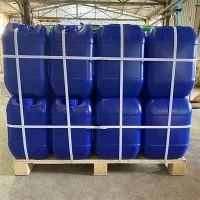


Hey there, woodworking enthusiasts! If you're like me, you've probably spent countless hours perfecting your wood projects, only to find that they lack that extra layer of protection and finish. That's where water base resin comes in! As a water base resin supplier, I've seen firsthand the transformative power of this amazing product. In this blog post, I'm going to share with you everything you need to know about applying water base resin on wood, from preparation to the final finish.
Why Choose Water Base Resin?
Before we dive into the application process, let's talk about why water base resin is such a great choice for wood projects. First of all, it's environmentally friendly. Unlike traditional solvent-based resins, water base resin doesn't release harmful VOCs (volatile organic compounds) into the air, making it a safer option for both you and the environment.
Secondly, water base resin is easy to work with. It has a low viscosity, which means it flows smoothly and evenly over the wood surface. It also dries quickly, allowing you to complete your project in less time.
Finally, water base resin provides excellent protection for your wood projects. It forms a hard, durable finish that resists scratches, stains, and moisture, ensuring that your projects look great for years to come.
Preparing Your Wood Surface
The first step in applying water base resin on wood is to prepare the wood surface. This is crucial for ensuring that the resin adheres properly and provides a smooth, even finish.
- Sand the Wood: Start by sanding the wood surface with a fine-grit sandpaper. This will remove any rough spots, splinters, or imperfections, and create a smooth surface for the resin to adhere to. Make sure to sand in the direction of the wood grain to avoid scratching the surface.
- Clean the Wood: Once you've sanded the wood, use a clean, dry cloth to wipe away any dust or debris. You can also use a vacuum cleaner to remove any loose particles. It's important to make sure the wood surface is completely clean before applying the resin.
- Seal the Wood (Optional): Depending on the type of wood you're working with, you may want to seal the wood before applying the resin. This can help prevent the resin from soaking into the wood and causing uneven staining. You can use a wood sealer or primer to seal the wood. Follow the manufacturer's instructions for application and drying time.
Mixing the Water Base Resin
Once you've prepared the wood surface, it's time to mix the water base resin. Most water base resins come in two parts: a resin and a hardener. You'll need to mix these two parts together in the correct ratio to activate the resin.
- Read the Instructions: Before you start mixing the resin, make sure to read the manufacturer's instructions carefully. The instructions will tell you the correct ratio of resin to hardener, as well as the mixing time and temperature requirements.
- Measure the Resin and Hardener: Use a measuring cup or scale to measure the resin and hardener in the correct ratio. Make sure to measure accurately to ensure that the resin cures properly.
- Mix the Resin and Hardener: Pour the resin and hardener into a clean, dry container. Use a stir stick or mixer to stir the resin and hardener together for the recommended amount of time. Make sure to scrape the sides and bottom of the container to ensure that all of the resin and hardener are mixed together.
Applying the Water Base Resin
Now that you've mixed the water base resin, it's time to apply it to the wood surface. There are several methods you can use to apply the resin, including brushing, rolling, and spraying.
- Brushing: Brushing is the most common method for applying water base resin on wood. Use a high-quality brush with natural or synthetic bristles to apply the resin in thin, even coats. Start at one end of the wood surface and work your way across, brushing in the direction of the wood grain. Make sure to apply the resin evenly and avoid creating any drips or runs.
- Rolling: Rolling is another option for applying water base resin on wood. Use a foam roller or a paint roller with a short nap to apply the resin in thin, even coats. Roll the resin onto the wood surface in the direction of the wood grain, making sure to apply it evenly and avoid creating any bubbles or streaks.
- Spraying: Spraying is a more advanced method for applying water base resin on wood. It requires the use of a spray gun and compressor, and it's best suited for large projects or projects with complex shapes. If you choose to spray the resin, make sure to follow the manufacturer's instructions carefully and wear appropriate protective gear, such as a respirator and goggles.
Curing the Water Base Resin
After you've applied the water base resin to the wood surface, it's important to allow it to cure properly. Curing is the process by which the resin hardens and becomes a solid, durable finish.
- Follow the Manufacturer's Instructions: The curing time for water base resin varies depending on the type of resin and the environmental conditions. Make sure to follow the manufacturer's instructions carefully for the recommended curing time and temperature.
- Keep the Surface Clean and Dry: During the curing process, it's important to keep the wood surface clean and dry. Avoid touching the surface or placing any objects on it until the resin has fully cured.
- Sand and Buff the Surface (Optional): Once the resin has fully cured, you may want to sand and buff the surface to smooth out any imperfections and create a high-gloss finish. Use a fine-grit sandpaper to sand the surface lightly, then use a buffing pad or cloth to buff the surface to a shine.
Using Catalysts for Faster Curing
In some cases, you may want to use a catalyst to speed up the curing process of the water base resin. There are several types of catalysts available, including PMHP | CAS 80-47-7 | Paramenthane Hydroperoxide, TBPB | CAS 614-45-9 | Tert-butyl Peroxybenzoate, and DBHP | CAS 26762-93-6 | Diisopropylbenzene Hydroperoxide. These catalysts can be added to the resin in small amounts to accelerate the curing process.
However, it's important to use catalysts with caution. Make sure to follow the manufacturer's instructions carefully and use the correct amount of catalyst. Using too much catalyst can cause the resin to cure too quickly, resulting in a brittle or uneven finish.
Troubleshooting Common Problems
Even if you follow all the steps correctly, you may still encounter some problems when applying water base resin on wood. Here are some common problems and how to solve them:
- Bubbles: Bubbles can form in the resin during the application process. To prevent bubbles, make sure to stir the resin and hardener slowly and carefully, and avoid introducing air into the mixture. If bubbles do form, you can use a heat gun or torch to gently heat the surface of the resin, which will cause the bubbles to rise to the surface and pop.
- Streaks or Uneven Finish: Streaks or an uneven finish can be caused by applying the resin too thickly or by not applying it evenly. To fix this problem, sand the surface lightly with a fine-grit sandpaper, then apply another thin coat of resin.
- Sticky or Gummy Finish: A sticky or gummy finish can be caused by not allowing the resin to cure properly or by using too much catalyst. To fix this problem, allow the resin to cure for a longer period of time, or sand the surface lightly and apply another thin coat of resin.
Conclusion
Applying water base resin on wood is a great way to protect and enhance the beauty of your wood projects. By following the steps outlined in this blog post, you can ensure that your resin application is successful and that your projects look great for years to come.
If you have any questions or need further assistance with applying water base resin on wood, or if you're interested in purchasing our high-quality water base resin products, please don't hesitate to contact us. We're here to help you achieve the best results with your woodworking projects.


References
- Wood Finishing 101: A Guide to Water Base Resins. Woodworking Magazine.
- The Benefits of Using Water Base Resin in Woodworking. DIY Wood Projects.
- How to Apply Water Base Resin on Wood: A Step-by-Step Guide. Home Improvement Today.