


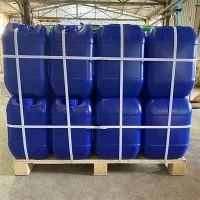


Hey there! I'm a supplier of water base resin, and today I wanna chat about how to maintain the chemical stability of water base resin. It's super important, especially for us in the business, 'cause a stable resin means happy customers and good products.
First off, let's understand what water base resin is. It's a type of resin that uses water as a solvent instead of the traditional organic solvents. This makes it more environmentally friendly and safer to handle. But the use of water also brings some challenges when it comes to maintaining its chemical stability.
One of the key factors that can affect the stability of water base resin is pH. The pH level of the resin system can have a huge impact on its chemical reactions and physical properties. If the pH is too high or too low, it can cause the resin to break down or change its structure. So, it's crucial to monitor and control the pH regularly. You can use pH meters to check the level, and if needed, add pH adjusters to keep it within the optimal range. For most water base resins, a slightly alkaline pH around 7.5 - 9 is often ideal.
Temperature is another biggie. Water base resin is sensitive to temperature changes. High temperatures can speed up chemical reactions, which might lead to premature curing or degradation of the resin. On the other hand, low temperatures can make the resin too viscous and difficult to work with. As a general rule, store and use the resin in a temperature - controlled environment. The recommended storage temperature is usually between 5°C and 30°C. If you're using the resin in a manufacturing process, make sure to control the temperature of the equipment and the working area.


Contamination is also a major threat to the chemical stability of water base resin. Even small amounts of impurities can cause problems. For example, dirt, dust, or other chemicals can react with the resin and change its properties. To prevent this, always keep the resin containers clean and sealed when not in use. Use clean tools and equipment when handling the resin. And if you're mixing different additives or solvents with the resin, make sure they're pure and compatible.
Now, let's talk about additives. Sometimes, adding certain chemicals can help improve the stability of water base resin. For instance, antioxidants can prevent the resin from oxidizing, which is a common cause of degradation. There are also stabilizers that can help maintain the chemical structure of the resin over time. Some popular additives in the market include Cumene Hydroperoxide 80S, PMHP | CAS 80 - 47 - 7 | Paramenthane Hydroperoxide, and TBPO | CAS 3006 - 82 - 4 | Tert - butylperoxy - 2 - ethylhexanoate. These additives can play different roles, like initiating reactions or controlling the rate of curing. But be careful when using them. You need to follow the recommended dosage and mixing procedures, otherwise, they might do more harm than good.
Mixing is an important step too. Improper mixing can lead to uneven distribution of additives and can affect the overall stability of the resin. When mixing, make sure to use the right equipment and follow the correct mixing speed and time. For example, if you're using a high - speed mixer, don't over - mix, as it can generate heat and cause the resin to react prematurely. A slow and steady mixing process is often better to ensure a homogeneous mixture.
Another aspect to consider is the storage time. Water base resin has a limited shelf life. Over time, the resin can gradually change its properties even under ideal storage conditions. So, it's a good idea to keep track of the production date and use the resin within the recommended time frame. If you have a large stock of resin, try to use the oldest ones first (first - in, first - out principle).
In addition to these technical aspects, it's also important to train your staff properly. They need to understand the importance of maintaining the chemical stability of water base resin and know how to handle it correctly. Provide them with clear instructions and safety guidelines. And encourage them to report any issues or changes they notice during the handling process.
As a water base resin supplier, I've seen firsthand how important it is to maintain the chemical stability of our products. Customers rely on us to provide high - quality resin that performs well in their applications. By following these tips, you can ensure that the water base resin you use or supply stays stable and delivers consistent results.
If you're in the market for water base resin or have any questions about maintaining its chemical stability, I'd love to have a chat with you. Just reach out to start a conversation about your needs and how we can work together to get the best results.
References
- "Handbook of Water - Based Polyurethane Coatings"
- "Polymer Science and Engineering" textbooks
- Industry research reports on water base resin applications