


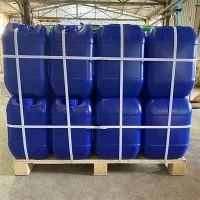


As a supplier of the chemical with CAS 110-05-4, which is di-tert-butyl peroxide (DTBP), I am often asked about its chronic toxicity effects. In this blog post, I will delve into the scientific knowledge regarding the long - term impacts of DTBP on human health and the environment.
Chemical Overview of DTBP
DTBP, with the chemical formula C₈H₁₈O₂, is a widely used organic peroxide. It is a colorless liquid with a characteristic odor. DTBP is primarily used as a polymerization initiator, a cross - linking agent in the rubber and plastics industries, and a curing agent. Its high reactivity and ability to generate free radicals make it an essential component in many industrial processes. You can find more detailed information about DTBP on our website DTBP | CAS 110-05-4 | Di - tert - butyl Peroxide.
Chronic Toxicity in Humans
Respiratory System
Chronic exposure to DTBP vapor can have detrimental effects on the respiratory system. Inhalation of low - level DTBP over an extended period may cause irritation of the nasal passages, throat, and lungs. Prolonged irritation can lead to chronic bronchitis, characterized by persistent coughing, wheezing, and shortness of breath. Studies have shown that workers in industries where DTBP is used extensively are at a higher risk of developing respiratory problems. The reactive nature of DTBP can cause oxidative stress in the respiratory tissues, leading to inflammation and damage to the delicate lung structures.
Skin and Eyes
Skin contact with DTBP over time can result in dermatitis. The chemical can penetrate the skin barrier, causing irritation, redness, and itching. In severe cases, it may lead to skin ulceration. Repeated exposure to DTBP can also damage the eyes. It can cause irritation, redness, and in extreme cases, corneal damage. Workers handling DTBP should always wear appropriate personal protective equipment, such as gloves and goggles, to minimize the risk of skin and eye exposure.
Central Nervous System
Although less well - studied, there is evidence to suggest that chronic exposure to DTBP may have an impact on the central nervous system. Some animal studies have shown that long - term exposure to DTBP can lead to neurological symptoms such as tremors, ataxia (loss of coordination), and cognitive impairment. The exact mechanism by which DTBP affects the nervous system is not fully understood, but it is hypothesized that the free radicals generated by DTBP may cause oxidative damage to nerve cells.
Reproductive and Developmental Effects
There are concerns about the potential reproductive and developmental effects of chronic DTBP exposure. Animal studies have indicated that DTBP may have adverse effects on fertility, including reduced sperm count and motility in male animals. In female animals, it may affect the estrous cycle and embryo development. However, more research is needed to fully understand the implications of these findings for human reproductive health.
Chronic Toxicity in the Environment
Aquatic Ecosystems
DTBP can enter the aquatic environment through industrial wastewater discharges or accidental spills. In water, DTBP can react with other substances and generate free radicals, which can have a negative impact on aquatic organisms. It can cause oxidative stress in fish, invertebrates, and algae, leading to reduced growth, reproduction, and survival rates. The presence of DTBP in water can also disrupt the balance of the aquatic ecosystem by affecting the food chain.
Soil and Terrestrial Ecosystems
When DTBP is released into the soil, it can persist for a certain period. It may affect soil microorganisms, which play a crucial role in nutrient cycling and soil fertility. Chronic exposure to DTBP can reduce the activity of soil enzymes and the diversity of soil microbial communities. This, in turn, can have a negative impact on plant growth and the overall health of the terrestrial ecosystem.
Risk Management and Safety Measures
As a supplier of DTBP, we are committed to ensuring the safe handling and use of this chemical. We provide comprehensive safety data sheets (SDS) to our customers, which contain detailed information about the hazards, handling procedures, and emergency response measures for DTBP.
Workers who handle DTBP should receive proper training on its safe use. This includes wearing appropriate personal protective equipment, such as respirators, gloves, and goggles. Adequate ventilation systems should be in place in work areas to minimize the concentration of DTBP vapor in the air.


In addition, we recommend that our customers follow all relevant environmental regulations when disposing of DTBP and its waste products. This helps to minimize the impact of DTBP on the environment.
Comparison with Other Related Chemicals
It is also useful to compare DTBP with other related organic peroxides. For example, Tert - Amyl Hydroperoxide is another commonly used organic peroxide. While both chemicals have similar reactive properties, their chronic toxicity profiles may differ. Tert - Amyl Hydroperoxide may have different routes of exposure and toxic effects, and it is important for users to understand these differences when choosing the appropriate chemical for their applications.
Another related product is BIBP40C. BIBP40C is used in similar industrial processes as DTBP, but its chemical structure and reactivity may lead to different chronic toxicity characteristics. By understanding the differences between these chemicals, users can make more informed decisions about their use and safety.
Conclusion
In conclusion, DTBP, with CAS 110 - 05 - 4, is a useful but potentially hazardous chemical. Chronic exposure to DTBP can have various toxic effects on human health, including respiratory, skin, eye, central nervous system, and reproductive problems. It can also have a negative impact on the environment, particularly on aquatic and terrestrial ecosystems.
As a responsible supplier, we are dedicated to providing high - quality DTBP products while ensuring the safety of our customers and the protection of the environment. We encourage our customers to take all necessary precautions when handling DTBP and to contact us if they have any questions or concerns about its use.
If you are interested in purchasing DTBP or have any inquiries regarding our products, please feel free to contact us for further discussion and negotiation. We are looking forward to establishing a long - term and mutually beneficial business relationship with you.
References
- "Toxicological Profile for Di - tert - butyl Peroxide" - Agency for Toxic Substances and Disease Registry (ATSDR)
- "Occupational Exposure to Organic Peroxides: Health Effects and Risk Assessment" - Journal of Occupational and Environmental Medicine
- "Environmental Fate and Effects of Di - tert - butyl Peroxide" - Environmental Science and Technology Journal