


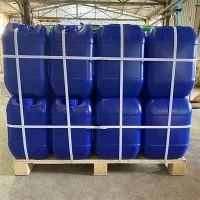


Cumene hydroperoxide (CHP), identified by the CAS number 80 - 15 - 9, is a crucial organic peroxide with a wide range of industrial applications. As a supplier of CHP CAS 80 - 15 - 9, I am delighted to share with you the main uses of this remarkable chemical compound.
Chemical Intermediate
One of the primary uses of CHP is as a chemical intermediate in the production of other important chemicals. It serves as a key raw material in the synthesis of phenol and acetone through the Hock process. In this process, cumene is oxidized to CHP, which is then cleaved in the presence of an acid catalyst to yield phenol and acetone. Phenol is a vital chemical used in the production of plastics, resins, and adhesives, while acetone is widely used as a solvent in various industries, including the pharmaceutical, paint, and cosmetics sectors. The Hock process is the most common method for producing phenol and acetone on an industrial scale, highlighting the significance of CHP in the chemical industry.
CHP is also used in the synthesis of other organic compounds, such as epoxides and ketones. It can act as an oxidizing agent to convert alkenes to epoxides, which are important intermediates in the production of plastics, pharmaceuticals, and agrochemicals. Additionally, CHP can be used to oxidize secondary alcohols to ketones, which are widely used in the fragrance, flavor, and pharmaceutical industries.
Polymerization Initiator
Another important application of CHP is as a polymerization initiator. It is commonly used in the production of polymers, such as polyethylene, polypropylene, and polystyrene. In the polymerization process, CHP decomposes to generate free radicals, which initiate the polymerization reaction by reacting with monomers. This allows the monomers to link together to form long - chain polymers.
The use of CHP as a polymerization initiator offers several advantages. It provides a controlled and efficient way to initiate the polymerization reaction, resulting in polymers with desired molecular weights and properties. Moreover, CHP can be used at relatively low temperatures, which reduces energy consumption and minimizes the risk of side reactions. For example, in the production of polyethylene, CHP can be used to initiate the polymerization of ethylene monomers under mild conditions, leading to the formation of high - quality polyethylene with excellent mechanical properties.
Cross - linking Agent
CHP is also utilized as a cross - linking agent in the rubber and plastic industries. Cross - linking is a process in which polymer chains are connected by chemical bonds, resulting in a three - dimensional network structure. This improves the mechanical properties, heat resistance, and chemical resistance of the polymers.
In the rubber industry, CHP is used to cross - link natural rubber and synthetic rubbers, such as styrene - butadiene rubber (SBR) and nitrile rubber (NBR). The cross - linking process enhances the elasticity, strength, and durability of the rubber products, making them suitable for a wide range of applications, including tires, seals, and gaskets.
In the plastic industry, CHP can be used to cross - link thermoplastics, such as polyethylene and polypropylene. Cross - linked plastics have improved heat resistance, dimensional stability, and chemical resistance compared to their non - cross - linked counterparts. They are used in applications where high - performance plastics are required, such as in the automotive, electrical, and construction industries.
Bleaching Agent
CHP has also found applications as a bleaching agent in the pulp and paper industry. It can be used to bleach wood pulp to remove lignin and other impurities, resulting in a brighter and more uniform paper product. The use of CHP as a bleaching agent offers several advantages over traditional bleaching agents, such as chlorine. It is a more environmentally friendly option, as it produces fewer harmful by - products. Additionally, CHP can achieve effective bleaching at lower temperatures and shorter reaction times, which reduces energy consumption and production costs.
Oxidizing Agent in Organic Synthesis
In organic synthesis, CHP is a valuable oxidizing agent. It can be used to oxidize a variety of organic compounds, including alcohols, aldehydes, and amines. For example, CHP can oxidize primary alcohols to aldehydes or carboxylic acids, depending on the reaction conditions. This oxidation reaction is widely used in the synthesis of pharmaceuticals, agrochemicals, and fine chemicals.
CHP can also be used in the oxidation of aromatic compounds. It can introduce oxygen atoms into aromatic rings, leading to the formation of phenolic compounds or other oxygen - containing derivatives. This reaction is important in the synthesis of dyes, pigments, and antioxidants.
Safety Considerations
While CHP has many useful applications, it is important to handle it with care due to its hazardous nature. CHP is a strong oxidizing agent and can react violently with reducing agents, combustible materials, and organic compounds. It is also sensitive to heat, shock, and friction, which can cause it to decompose explosively. Therefore, proper storage, handling, and transportation procedures must be followed to ensure the safety of personnel and the environment.
As a supplier of CHP CAS 80 - 15 - 9, we are committed to providing high - quality products and ensuring the safety of our customers. We adhere to strict safety standards and regulations in the production, packaging, and transportation of CHP. We also provide comprehensive safety information and technical support to our customers to help them handle and use CHP safely.


Related Products
If you are interested in other organic peroxides related to CHP, we also offer BIBP40C and CH | CAS 3006 - 86 - 8 | 1,1 - Di(tert - butylperoxy)cyclohexane. These products have their own unique properties and applications in the chemical industry.
Contact for Purchase
If you are in need of CHP CAS 80 - 15 - 9 or any of our related products, we invite you to contact us for a detailed discussion on your requirements. Our team of experts is ready to provide you with the best solutions and support for your business. You can find more information about CHP | CAS 80 - 15 - 9 | Cumene Hydroperoxide on our website.
References
- "Industrial Organic Chemistry" by Klaus Weissermel and Hans - Jürgen Arpe.
- "Handbook of Polymer Synthesis" edited by Krzysztof Matyjaszewski and Yves Gnanou.
- "Pulp and Paper Chemistry and Technology" by James P. Casey.