


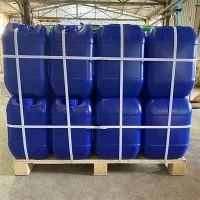


Water base resin, as a key material in the textile industry, has been attracting increasing attention due to its unique properties and environmental - friendliness. As a water base resin supplier, I have witnessed firsthand the significant impact it has on textile properties. In this blog, I will delve into various aspects of how water base resin influences textile characteristics.


1. Physical Properties
1.1. Strength and Durability
Water base resin can enhance the strength of textiles. When applied to fabric, it forms a thin film on the fiber surface. This film acts as a protective layer, preventing the fibers from being easily damaged by external forces such as friction and abrasion. For example, in denim fabrics, the addition of water base resin can significantly improve the fabric's resistance to wear during daily use, making the jeans last longer.
Research has shown that textiles treated with water base resin have higher tensile strength compared to untreated ones. The resin molecules penetrate the fiber structure to a certain extent, bonding the fibers together more firmly. This internal reinforcement leads to an overall increase in the fabric's strength. If you are interested in high - strength organic peroxides used in the production process of water base resin, you can check out DTBP | CAS 110 - 05 - 4 | Di - tert - butyl Peroxide.
1.2. Softness and Hand Feel
Contrary to what one might think, water base resin can also contribute to the softness of textiles. Unlike some traditional resins that may make fabrics stiff, high - quality water base resins are formulated to maintain or even improve the fabric's softness. The resin can fill the gaps between fibers in a way that provides a smooth surface, reducing the roughness caused by fiber entanglement.
In the production of knitted fabrics, water base resin can be used to adjust the hand feel of the fabric. It gives the fabric a luxurious and soft touch, which is highly desirable in the high - end textile market. This is achieved through careful selection of resin components and the optimization of the application process.
1.3. Dimensional Stability
Water base resin plays a crucial role in improving the dimensional stability of textiles. During washing and drying processes, fabrics often tend to shrink or stretch. However, when treated with water base resin, the fabric structure is stabilized. The resin forms a cross - linked network on the fiber surface, restricting the movement of fibers and preventing excessive deformation.
This is particularly important for woven fabrics, where maintaining the correct dimensions is essential for proper fit and appearance. For example, in the production of dress shirts, water base resin - treated fabrics are less likely to lose their shape after multiple washes, ensuring a long - lasting, professional look.
2. Chemical Properties
2.1. Color Fastness
One of the significant impacts of water base resin on textiles is its ability to improve color fastness. The resin can form a protective layer around the dye molecules, preventing them from being washed out or fading under the influence of light, water, or chemicals. This is especially beneficial for brightly colored or printed textiles.
In the case of reactive dyes, water base resin can enhance the bonding between the dye and the fiber, making the color more resistant to fading. This means that the textile will retain its vibrant color for a longer time, even after repeated laundering. If you are involved in the chemical processes related to water base resin production, CHP | CAS 80 - 15 - 9 | Cumene Hydroperoxide might be of interest to you.
2.2. Resistance to Chemicals
Textiles treated with water base resin are more resistant to various chemicals. The resin film on the fiber surface acts as a barrier, protecting the fibers from chemical attacks. For example, in industrial settings where textiles may come into contact with acids, alkalis, or solvents, water base resin - treated fabrics can withstand these chemicals better than untreated ones.
This chemical resistance also extends to common household chemicals such as detergents. Fabrics treated with water base resin are less likely to be damaged by the harsh chemicals in detergents, ensuring their long - term durability.
2.3. Antibacterial and Antifungal Properties
Some water base resins can be formulated to have antibacterial and antifungal properties. These resins can release certain substances that inhibit the growth of bacteria and fungi on the textile surface. This is particularly useful in applications such as sportswear and bedding, where maintaining a clean and hygienic environment is crucial.
The antibacterial and antifungal agents in the resin can prevent the formation of unpleasant odors and stains caused by microbial growth. This not only improves the quality of the textile but also enhances the user experience.
3. Aesthetic Properties
3.1. Gloss and Sheen
Water base resin can be used to create different levels of gloss and sheen on textiles. By adjusting the formulation and application method of the resin, manufacturers can achieve a range of effects from a subtle matte finish to a high - gloss shine.
In the production of evening gowns and formal wear, a high - gloss water base resin finish can add a touch of elegance and luxury. On the other hand, a matte finish may be preferred for more understated and sophisticated looks, such as in some high - end men's suits.
3.2. Printability
Water base resin improves the printability of textiles. It provides a smooth and receptive surface for printing inks, allowing for more detailed and vibrant prints. The resin helps the ink adhere better to the fabric, reducing the chances of smudging and bleeding.
In the fashion industry, where unique and eye - catching prints are highly valued, water base resin - treated fabrics are often the preferred choice for designers. They can create intricate patterns and designs with greater precision, bringing their creative visions to life.
4. Environmental Impact
Water base resin is more environmentally friendly compared to solvent - based resins. It contains less volatile organic compounds (VOCs), which are harmful to the environment and human health. The use of water as a solvent reduces air pollution during the production and application processes.
In addition, water base resin is easier to clean up and dispose of. It can be washed away with water, which simplifies the post - production processes and reduces waste. As the textile industry is increasingly focusing on sustainable development, the demand for water base resin is expected to grow. If you are looking for related organic peroxides for environmentally - friendly water base resin production, Tert - butyl Hydroperoxide is a good option.
Conclusion
In conclusion, water base resin has a profound impact on textile properties, covering physical, chemical, aesthetic, and environmental aspects. It enhances the strength, softness, color fastness, and printability of textiles while also being more environmentally friendly. As a water base resin supplier, I am committed to providing high - quality products that can meet the diverse needs of the textile industry.
If you are interested in our water base resin products and would like to discuss potential procurement opportunities, please feel free to contact us. We are more than happy to have in - depth discussions with you about your specific requirements and how our products can benefit your textile production.
References
- Textile Chemistry and Technology, Third Edition, by Ibrahim A. M. El - Maazawi
- Handbook of Textile Fibre Structure, Volume 1: Natural Fibres, edited by A. K. Mohanty and S. K. Nayak
- Advances in Textile Biotechnology, edited by M. M. Rahman and M. A. Karim