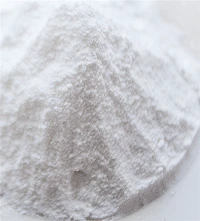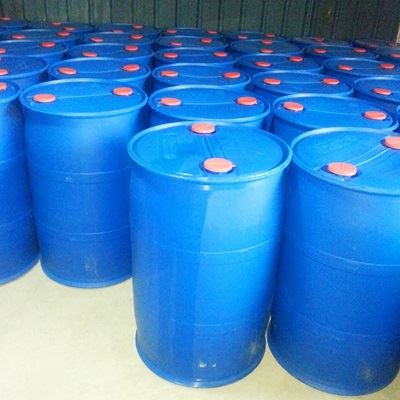
Diisobutyl Peroxide is a dialkyl organic peroxide identified by CAS No. 32752-09-3, molecular formula C₈H₁₈O₂ and molecular weight 146.23 g/mol. It is a thermal peroxide used in free-radical reaction systems where decomposition behavior, reaction temperature and residence time need to be matched to the process.
Key Technical Parameters
|
Parameter |
Value |
|
CAS No. |
32752-09-3 |
|
Molecular Formula |
C₈H₁₈O₂ |
|
Molecular Weight |
146.23 g/mol |
|
Theoretical Active Oxygen |
10.94% |
|
Density |
0.84 g/cm³ |
|
Boiling Point |
141.63°C |
|
Flash Point |
36.84°C |
|
10 h Half-Life Temperature |
33°C |
Performance Characteristics
Thermal Decomposition
The peroxide O–O bond undergoes thermal cleavage and generates free radicals, providing the basis for its use in thermal initiation systems.
Reaction Temperature
Its decomposition profile makes temperature an important parameter when selecting the peroxide for a defined reaction process.
Specification-Based Control
Chemical identity, active oxygen and physical properties provide measurable parameters for material qualification and batch inspection.
Polymerization Application
Free-Radical Initiation
Diisobutyl Peroxide can be used as a thermal radical initiator in selected polymerization systems where its decomposition behavior matches the process temperature.
Process Matching
Initiator selection depends on the relationship between peroxide decomposition, reaction temperature and residence time.
Reaction Control
Peroxide concentration and temperature should be evaluated together with monomer chemistry and the required reaction profile.
Process Selection
Temperature
The reaction temperature should be matched with the decomposition rate required for the intended initiation stage.
Residence Time
Residence time affects peroxide conversion. Half-life data provide a reference for assessing activity during the reaction period.
Dosage
Dosage should be established from monomer composition, reaction temperature, conversion target and process conditions.
Quality Control Points
Identity
CAS number, molecular formula and molecular weight provide the basic chemical identity check.
Active Oxygen
The theoretical active oxygen content is 10.94%. Actual assay results should be evaluated against the applicable product specification.
Physical Properties
Density and other defined release parameters provide additional data for incoming inspection and batch comparison.
Manufacturing & Batch Consistency
Raw Material Control
Defined raw-material specifications help maintain consistent composition during production.
Process Control
Controlled reaction conditions and monitored process parameters support consistent product quality between production batches.
Batch Release
Finished material should be tested against the applicable specification before release, with batch results retained for quality review and traceability.
Storage & Handling Considerations
Temperature
Storage temperature should follow the requirements specified for the applicable product grade and formulation.
Compatibility
Containers and handling areas should be selected according to the product SDS and material compatibility requirements.
Transportation
Packaging and transportation conditions should follow the applicable organic peroxide classification and destination requirements.
Documentation for Technical Review
Product Specification
Defines chemical identity, quality requirements and applicable release parameters.
SDS
Provides information required for handling, storage, hazard communication and transportation review.
COA
Provides batch-specific test results for incoming inspection, quality records and traceability.
Product Selection Checklist
Chemical Identity
Confirm CAS No. 32752-09-3, molecular formula C₈H₁₈O₂ and molecular weight 146.23 g/mol.
Process Fit
Review decomposition behavior, reaction temperature, residence time and required initiation rate.
Quality Requirements
Confirm active oxygen, physical properties and the applicable release specification.
Technical Documents
Confirm the product specification, SDS and batch-specific COA required for qualification.
fAQ
Q: What is Diisobutyl Peroxide?
A: Diisobutyl Peroxide is a dialkyl organic peroxide with CAS No. 32752-09-3 and molecular formula C₈H₁₈O₂. It is used in selected thermal free-radical reaction systems.
Q: What is the molecular weight?
A: The molecular weight is 146.23 g/mol. The published value is 146.227 g/mol.
Q: What is the theoretical active oxygen content?
A: The theoretical active oxygen content is 10.94%, calculated from the molecular formula C₈H₁₈O₂.
Q: What is the 10 h half-life temperature?
A: A reference value of approximately 33°C is reported for the 10 h half-life temperature. Half-life data should be evaluated together with the applicable test method and process conditions.
Q: How should Diisobutyl Peroxide be selected?
A: Selection should consider reaction temperature, residence time, peroxide concentration, reaction chemistry and the required initiation rate.
Q: Which documents are used for technical qualification?
A: The product specification, SDS and batch-specific COA provide the core information for chemical identification, quality review, handling assessment and incoming inspection.
Hot Tags: diisobutyl peroxide, China diisobutyl peroxide manufacturers, suppliers, factory