Di(2-ethylhexyl) Peroxydicarbonate is a peroxydicarbonate organic peroxide used as a thermal radical initiator in polymerization. It is identified by CAS No. 16111-62-9, molecular formula C18H34O6, and molecular weight 346.5 g/mol.
Its relatively low-temperature decomposition profile makes it suitable for polymerization processes where controlled radical generation is required within a defined temperature range.
Key Technical Parameters
|
Parameter |
Reference Value |
|
CAS No. |
16111-62-9 |
|
Molecular Formula |
C18H34O6 |
|
Molecular Weight |
346.5 g/mol |
|
Theoretical Active Oxygen |
4.62% |
|
Half-life, 10 h |
47°C |
|
Half-life, 1 h |
64°C |
|
Half-life, 0.1 h |
83°C |
Product Characteristics
Controlled Decomposition
The peroxide decomposes thermally to generate free radicals. Its half-life profile provides a direct reference for process-temperature selection.
Defined Initiation Range
The 10-hour, 1-hour and 0.1-hour half-life values allow the initiator to be evaluated against reaction temperature and residence time.
Concentration Options
Commercial formulations are available at different active concentrations. A 75% grade, for example, is typically specified separately for assay and active oxygen from the pure compound.
Polymerization Applications
Vinyl Chloride
The product is used as a radical initiator for suspension and mass polymerization of vinyl chloride. Published technical data place relevant processes in the 40–65°C range.
Ethylene
It is used in selected ethylene polymerization processes, including systems where the initiator decomposition rate needs to match the reaction temperature.
Vinylidene Chloride
The peroxide is also used for vinylidene chloride polymerization and copolymerization.
Acrylates and Methacrylates
Selected formulations are used for acrylate and methacrylate polymerization, subject to the required initiation temperature and process formulation.
Selection Guide
Assay
Match the peroxide concentration with the required initiator dosage and formulation.
Half-Life
Compare the half-life profile with polymerization temperature and residence time rather than selecting by chemical name alone.
Active Oxygen
Use active oxygen as a quantitative reference when checking concentration and batch specifications.
Formulation
Confirm the carrier or dispersion medium because formulation affects dosing, storage and transport requirements.
Thermal Decomposition Profile
Reference half-life data in chlorobenzene are approximately 47°C at 10 hours, 64°C at 1 hour and 83°C at 0.1 hour.
These values describe decomposition kinetics under the stated test conditions. Actual initiation behavior depends on initiator concentration, monomer system, reaction temperature, residence time and formulation.
Storage and Temperature Control
Controlled Storage
Storage temperature depends on the concentration and formulation of the supplied grade.
Product-Specific Limits
Maximum and minimum storage temperatures should be taken from the current SDS and TDS for the exact grade.
Temperature-Controlled Transport
Transport temperature and handling requirements should be confirmed before shipment according to the supplied formulation and applicable transport classification.
Quality Control Points
Assay
Confirms the peroxide concentration of the supplied grade.
Active Oxygen
Provides a quantitative control value for peroxide content.
Appearance
Clear liquid is a common specification for liquid commercial grades.
Thermal Data
Half-life values provide a technical reference for evaluating initiator reactivity.
Packaging and Logistics
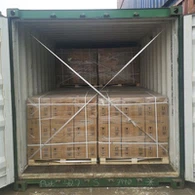
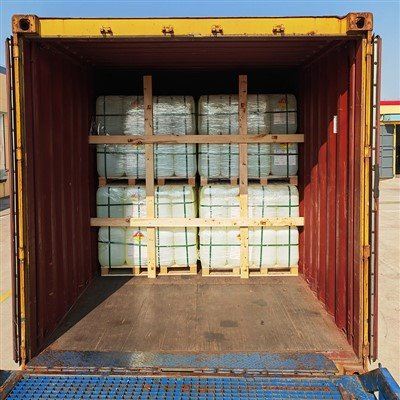
Packaging
Packaging is selected according to concentration, formulation and applicable transport requirements.
Temperature Control
Temperature limits are defined by the specific grade and its current technical documentation.
Shipment Documents
The shipment documentation should include the applicable SDS, product specification and dangerous-goods transport information.
Technical Documentation
TDS
Provides product specifications, identification data and relevant application parameters.
SDS
Provides storage, handling, transportation and emergency information for the supplied grade.
COA
Provides batch-specific analytical results for quality verification.
Specification
Defines the agreed limits for assay, active oxygen, appearance and other applicable quality parameters.
FAQ
Q: What is Di(2-ethylhexyl) Peroxydicarbonate used for?
A: It is used as a thermal radical initiator in polymerization, including vinyl chloride, ethylene and vinylidene chloride systems. Selected grades are also used for acrylate and methacrylate polymerization.
Q: What is the CAS number?
A: The CAS number is 16111-62-9.
Q: What is the molecular weight?
A: The molecular weight is 346.5 g/mol.
Q: What are the reference half-life temperatures?
A: In chlorobenzene, the reference values are approximately 47°C at 10 hours, 64°C at 1 hour and 83°C at 0.1 hour.
Q: Which parameters should be confirmed before ordering?
A: Confirm the required assay, active oxygen, formulation, half-life profile, storage temperature and transport requirements for the intended process.
Hot Tags: di(2-ethylhexyl) peroxydicarbonate, China di(2-ethylhexyl) peroxydicarbonate manufacturers, suppliers, factory