


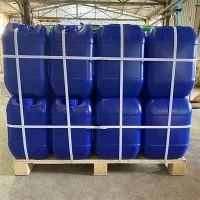


Hey there! As a supplier of Poly-Putty Base, I often get asked whether it can be used for floor repairs. Well, let's dig into this topic and find out if Poly-Putty Base is a good fit for fixing up those floors.
First off, let's talk a bit about what Poly-Putty Base is. It's a versatile material that has a wide range of applications. It's known for its strong adhesive properties and durability. In general, it can bond well with different surfaces, which makes it seem like a potential candidate for floor repairs.
Now, when it comes to floors, there are different types - concrete floors, wooden floors, and tiled floors. Each type has its own characteristics, and we need to see how Poly-Putty Base performs on them.
Concrete Floors
Concrete floors are quite common, especially in industrial and commercial settings. They can get cracks, chips, or uneven surfaces over time. Poly-Putty Base can be a great option for concrete floor repairs.
One of the big advantages is its adhesion. It can stick firmly to concrete, which is crucial for a long - lasting repair. When you have a crack in a concrete floor, you can use Poly-Putty Base to fill it. It will harden and form a strong bond with the surrounding concrete, preventing the crack from getting bigger.
Another plus is its durability. Concrete floors take a lot of wear and tear, and the repair material needs to be able to withstand heavy foot traffic, vehicle movement (in industrial areas), and other stresses. Poly-Putty Base is designed to be tough, so it can handle these conditions well.
However, there are a few things to keep in mind. Before applying the Poly - Putty Base, the concrete surface needs to be clean and dry. Any dirt, oil, or moisture can affect the adhesion. You might also need to roughen the surface a bit to help the putty base stick better.
Wooden Floors
Wooden floors add a warm and natural look to a space, but they can also get damaged. Scratches, dents, and gaps are common problems. Can Poly - Putty Base fix these issues?


Well, it can work, but with some limitations. Poly - Putty Base can be used to fill small dents and gaps in wooden floors. It can provide a smooth finish and help restore the appearance of the floor. But when it comes to scratches, it might not be the best option.
The main concern with using Poly - Putty Base on wooden floors is its flexibility. Wood expands and contracts with changes in temperature and humidity. If the repair material is too rigid, it might crack or separate from the wood over time. So, you need to make sure that the Poly - Putty Base you choose has some degree of flexibility to accommodate the movement of the wood.
Also, like with concrete floors, the surface preparation is important. The wood should be clean and free of any finish or paint in the area where you're applying the putty base. You might need to sand the area to create a better bonding surface.
Tiled Floors
Tiled floors are popular for their easy - to - clean and aesthetically pleasing qualities. But tiles can crack, chip, or come loose. Poly - Putty Base can be used in some tile repair scenarios.
For small chips in tiles, you can use the putty base to fill the damaged area. It can be color - matched to the tile to make the repair less noticeable. When a tile has come loose, Poly - Putty Base can be used as an adhesive to reattach it.
However, there are challenges. Tiles are often made of different materials like ceramic, porcelain, or natural stone. Each material has different surface properties, and the adhesion of Poly - Putty Base can vary. You need to test the putty base on a small, inconspicuous area first to make sure it bonds well.
Also, tiles are usually laid in a pattern, and the repair needs to blend in with the surrounding tiles. You need to be careful with the application to ensure a seamless look.
Chemical Considerations
In the production of Poly - Putty Base, some chemicals are used. For example, DCP | CAS 80 - 43 - 3 | Dicumyl Peroxide is often used as a curing agent. It helps the putty base harden and form a strong structure. Another chemical is TBPIN | CAS 13122 - 18 - 4 | Tert - butylperoxy - 3,5,5 - trimethylhexanoate, which can also play a role in the curing process. And PMHP | CAS 80 - 47 - 7 | Paramenthane Hydroperoxide is sometimes used as well.
These chemicals are carefully selected to ensure the quality and performance of the Poly - Putty Base. But when using the putty base for floor repairs, especially in indoor settings, you need to consider the safety aspects. Make sure to follow the safety instructions provided by the manufacturer.
Application Process
The application process of Poly - Putty Base for floor repairs is relatively straightforward, but it requires attention to detail.
First, as mentioned earlier, prepare the surface. Clean it thoroughly and make any necessary surface modifications like sanding or roughening.
Then, mix the Poly - Putty Base according to the manufacturer's instructions. Some putty bases come in two - part systems that need to be mixed in the right proportions.
Apply the putty base to the damaged area using a putty knife or a similar tool. Make sure to fill the area completely and smooth the surface.
Allow the putty base to dry and cure. The curing time can vary depending on factors like temperature and humidity. Follow the recommended curing time before subjecting the repaired floor to normal use.
Conclusion
So, can Poly - Putty Base be used for floor repairs? The answer is yes, but it depends on the type of floor and the nature of the damage. It can be a great option for concrete floors, with proper surface preparation. On wooden floors, it can work for small repairs if the putty base has some flexibility. And for tiled floors, it can be used for chip and tile - reattachment repairs with some caution.
If you're considering using Poly - Putty Base for your floor repairs, I'd be happy to help. As a supplier, I can provide you with more information about the product, including its technical specifications, safety data, and application tips. Whether you're a homeowner looking to fix up your floors or a contractor working on a large - scale project, we can work together to find the best solution for your needs. Reach out to me if you're interested in purchasing Poly - Putty Base and let's start the conversation about your floor repair project.
References
- General knowledge about floor repair materials and Poly - Putty Base from industry experience.
- Manufacturer's product information and technical sheets for Poly - Putty Base.