Di-sec-Butyl Peroxydicarbonate is a peroxydicarbonate organic peroxide used as a thermal radical initiator for polymerization. It is identified by CAS No. 19910-65-7, molecular formula C₁₀H₁₈O₆, and molecular weight 234.28 g/mol. Its relatively low decomposition range makes it suitable for polymerization processes requiring controlled radical generation at lower temperatures. Typical applications include vinyl chloride and ethylene polymerization.
Key Technical Parameters
|
Parameter |
Value |
|
Chemical Name |
Di-sec-Butyl Peroxydicarbonate |
|
CAS No. |
19910-65-7 |
|
Molecular Formula |
C₁₀H₁₈O₆ |
|
Molecular Weight |
234.28 g/mol |
|
Physical Form |
Liquid |
|
Theoretical Active Oxygen |
6.83 wt% |
|
10 h Half-Life Temperature* |
51°C |
|
1 h Half-Life Temperature* |
69°C |
Product Characteristics
Low-Temperature Initiation
The decomposition profile is suited to polymerization systems operating within relatively low temperature ranges.
Radical Generation
Thermal cleavage of the peroxide bond generates free radicals that initiate chain reactions in suitable monomer systems.
Liquid Handling
The liquid form supports controlled dosing into compatible process systems and allows the initiator concentration to be adjusted to the required process conditions.
Polymerization Applications
PVC Suspension Polymerization
The product can be used for vinyl chloride suspension polymerization. Process temperature, reaction time and initiator concentration should be considered together when establishing the formulation.
Ethylene Polymerization
It is applicable to ethylene polymerization, including LDPE processes, where initiator decomposition must correspond with the reaction temperature and residence time.
Copolymerization
The product can also be evaluated for copolymerization systems involving compatible vinyl monomers when the required initiation profile matches the process conditions.
Initiator Selection
Temperature Match
Compare the polymerization temperature with the product's half-life profile to establish the expected decomposition rate.
Residence Time
The available reaction time determines how much initiator can decompose during the process. Shorter residence times require closer control of decomposition kinetics.
Dosage Level
Dosage should be established from monomer conversion, polymerization rate, reaction temperature and target polymer properties.
Technical Evaluation
Peroxide Assay
Assay determines the actual peroxide concentration available for initiation and is therefore important for dosing calculations.
Active Oxygen
The theoretical active oxygen content is 6.83 wt% for the pure compound. This value provides a reference for analytical evaluation and specification review.
Half-Life
Half-life data should be reviewed together with the test medium, concentration and method. Published values are not interchangeable when the testing conditions differ.
Batch Consistency
Assay Control
Consistent assay supports repeatable initiator dosing and helps maintain stable polymerization conditions.
Thermal Profile
Defined half-life data provide a process-related reference for confirming the agreed decomposition behavior.
Traceability
Batch numbers and corresponding analytical records allow each production lot to be linked with its release specification.
Storage and Handling
Temperature Control
Organic peroxide decomposition accelerates with temperature. Storage conditions must therefore follow the specified temperature range for the actual formulation.
Material Compatibility
Contact with incompatible materials, contamination sources and uncontrolled heat should be avoided during storage and handling.
Safety Procedures
Handling and emergency procedures should follow the current SDS and the applicable classification for the supplied formulation.
Packaging and Logistics
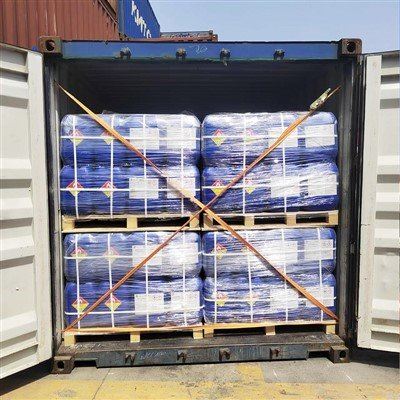
Packaging
The packaging format should be compatible with the peroxide formulation and maintain product integrity during storage and transport.
Temperature Management
Where temperature-controlled transportation is specified, the required temperature range should be maintained throughout the shipment.
Documentation
Shipment documentation should cover the applicable SDS, product specification, batch information and required dangerous-goods documentation.
Quality Control
Identity
Chemical identity is verified against the agreed CAS number, molecular formula and product specification.
Assay
Peroxide assay is checked against the defined specification before release to support accurate process dosing.
Thermal Data
Half-life testing provides a measurable reference for the product's decomposition behavior under defined conditions.
Selection Checklist
Before requesting a quotation or technical evaluation, provide:
● Polymer and monomer type
● Polymerization temperature
● Reaction or residence time
● Required initiator concentration
● Target conversion
● Expected consumption
● Packaging requirement
● Storage and transport conditions
● Required technical and regulatory documents
These details allow the product specification to be reviewed against the intended polymerization process.
FAQ
Q: What is Di-sec-Butyl Peroxydicarbonate used for?
A: It is used as a thermal radical initiator in polymerization processes, including vinyl chloride and ethylene polymerization.
Q: What is the CAS number?
A: The CAS number is 19910-65-7.
Q: What is the molecular weight?
A: The molecular weight is 234.28 g/mol.
Q: What is the theoretical active oxygen content?
A: The theoretical active oxygen content of the pure compound is 6.83 wt%.
Q: How should this initiator be selected?
A: Selection should consider polymerization temperature, reaction time, monomer system, initiator dosage, conversion target and the applicable half-life data.
Hot Tags: di-sec-butyl peroxydicarbonate, China di-sec-butyl peroxydicarbonate manufacturers, suppliers, factory