


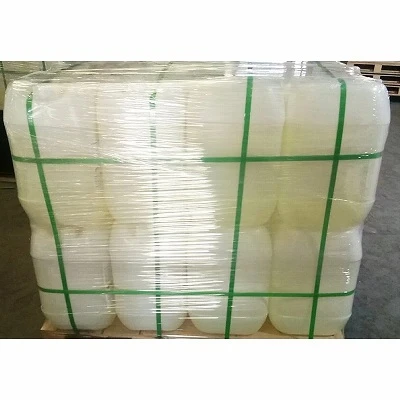
Diisopropyl Peroxydicarbonate is a dialkyl peroxydicarbonate organic peroxide used as a thermal initiator in free-radical polymerization. It is identified by CAS No. 105-64-6, molecular formula C₈H₁₄O₆, and molecular weight 206.19 g/mol.
Its decomposition profile makes it suitable for polymerization processes requiring radical initiation at relatively low temperatures. Product selection depends on peroxide concentration, active oxygen, decomposition rate, half-life temperature, physical form, and process conditions.
Key Technical Parameters
|
Parameter |
Value |
|
Chemical Name |
Diisopropyl Peroxydicarbonate |
|
CAS No. |
105-64-6 |
|
Molecular Formula |
C₈H₁₄O₆ |
|
Molecular Weight |
206.19 g/mol |
|
Theoretical Active Oxygen |
7.76% |
|
Peroxide Type |
Dialkyl Peroxydicarbonate |
|
Initiator Type |
Thermal Radical Initiator |
Why This Grade Is Selected
Low-Temperature Initiation
The decomposition behavior supports radical generation in polymerization systems operating at comparatively low temperatures.
Controlled Initiation
Half-life data provide a practical basis for matching peroxide decomposition with the required reaction temperature and residence time.
Clear Identification
CAS number, molecular formula, molecular weight, and active oxygen provide defined references for technical qualification and purchasing review.
Polymerization Applications
Vinyl Polymerization
The product is used as a free-radical initiator for suitable vinyl monomer polymerization systems.
Acrylic Systems
Its decomposition behavior can be considered where the process requires radical initiation within a lower temperature range.
Allyl Carbonate Resins
Diisopropyl Peroxydicarbonate is used in polymerization systems based on diallyl carbonate chemistry, including optical resin applications.
Final suitability depends on monomer type, reaction temperature, initiator concentration, residence time, and required conversion.
Product Selection Factors
Active Oxygen
Active oxygen indicates the theoretical oxygen contribution of the peroxide and helps establish an initial basis for dosage calculations.
Half-Life
Half-life data show the decomposition rate at a defined temperature. The relevant test conditions should be considered when comparing technical data.
Concentration
The peroxide concentration directly affects formulation and dosage calculations. The required concentration should be specified before product selection.
Physical Form
Physical form affects weighing, dosing, packaging, storage, and process handling.
Process Matching
Reaction Temperature
Match the peroxide decomposition profile with the actual polymerization temperature to establish the required initiation window.
Residence Time
Residence time determines how much initiator can decompose during the process and should be assessed together with half-life data.
Dosage
Initiator dosage depends on monomer chemistry, temperature, reaction rate, conversion target, and process residence time. Final dosage should be established from process data.
Handling and Temperature Control
Storage Temperature
Organic peroxide handling requires controlled temperature conditions. The applicable storage range should follow the current technical and safety documentation.
Packaging
Packaging selection should correspond to the product formulation, quantity, handling method, and applicable transport requirements.
Transport
International transportation requires appropriate classification, packaging, labeling, and temperature-control measures according to the applicable regulations.
Quality Control Points
Assay
Peroxide assay confirms the measured active content against the agreed specification.
Active Oxygen
Active oxygen provides a chemical reference for peroxide content and supports batch comparison.
Identity
CAS number, molecular formula, and molecular weight establish the basic chemical identity of the material.
Batch Documentation
A certificate of analysis provides batch-specific test results for the agreed release parameters.
Procurement Information
Before requesting product information, specify the required concentration, physical form, quantity, packaging, destination, and application.
For technical matching, provide the polymerization temperature, residence time, monomer system, and required initiation profile. These details help determine the relevant specification and documentation.
Frequently Asked Questions
Q: What is Diisopropyl Peroxydicarbonate used for?
A: It is used as a thermal free-radical initiator in polymerization processes requiring controlled radical generation at relatively low temperatures.
Q: What is the CAS number?
A: The CAS number is 105-64-6.
Q: What is the molecular weight?
A: The molecular weight is 206.19 g/mol.
Q: What is the theoretical active oxygen content?
A: The theoretical active oxygen content is approximately 7.76%.
Q: Which parameters are important for product selection?
A: Key parameters include peroxide concentration, active oxygen, half-life temperature, physical form, reaction temperature, residence time, and application.
Q: Can it be used for allyl carbonate resin polymerization?
A: Yes. It is used as a radical initiator in polymerization systems based on diallyl carbonate chemistry.
Hot Tags: diisopropyl peroxydicarbonate, China diisopropyl peroxydicarbonate manufacturers, suppliers, factory


