


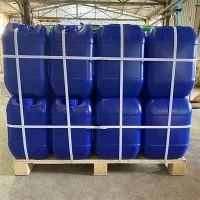


As a marble glue supplier, one of the most frequent questions I encounter from customers is whether marble glue can be used for bonding marble in hot weather. This is a crucial concern, as the performance of marble glue can be significantly affected by environmental conditions, especially temperature. In this blog post, I'll delve into the science behind marble glue, how hot weather impacts its properties, and provide practical advice on using it effectively during high - temperature periods.
Understanding Marble Glue
Marble glue is a specialized adhesive designed to bond marble pieces together. It typically consists of two main components: a resin and a hardener. When these two components are mixed, a chemical reaction occurs, leading to the formation of a strong bond between the marble surfaces. The strength and durability of the bond depend on various factors, including the quality of the glue, the surface preparation of the marble, and the environmental conditions during application.
The curing process of marble glue is exothermic, meaning it releases heat as the chemical reaction progresses. This heat generation is normal and is an essential part of the bonding process. However, when the ambient temperature is already high, this additional heat can have both positive and negative effects on the glue's performance.
Effects of Hot Weather on Marble Glue
1. Accelerated Curing
One of the most significant effects of hot weather on marble glue is the accelerated curing process. Higher temperatures speed up the chemical reaction between the resin and the hardener. While this may seem like an advantage as it shortens the waiting time for the bond to set, it can also lead to problems.
When the curing process is too rapid, the glue may not have enough time to spread evenly across the marble surfaces. This can result in an uneven bond, with some areas being stronger than others. Moreover, rapid curing can cause the glue to shrink more than normal, which may lead to cracks or gaps in the bond over time.
2. Increased Viscosity
Another effect of high temperatures is the change in the viscosity of the marble glue. Viscosity refers to the thickness or resistance to flow of a liquid. As the temperature rises, the viscosity of the glue decreases, making it thinner and more runny.
This can be a problem during application, as the glue may drip or flow out of the joint before it has a chance to set. It can also be challenging to control the amount of glue applied, which can lead to an inconsistent bond. Additionally, a thinner glue may not provide enough support for the marble pieces, especially if they are heavy or if the bond is subject to stress.
3. Reduced Working Time
The working time of marble glue is the period during which it remains in a liquid state and can be easily applied and manipulated. In hot weather, the working time is significantly reduced due to the accelerated curing process.


This means that installers have less time to position the marble pieces correctly and ensure a proper bond. If the glue sets too quickly, it may be difficult to make adjustments, and the final result may not meet the desired standards.
Choosing the Right Marble Glue for Hot Weather
Not all marble glues are created equal, especially when it comes to performance in hot weather. Some glues are formulated to withstand high temperatures and offer better performance under these conditions.
1. Heat - Resistant Formulations
Look for marble glues that are specifically designed for use in hot environments. These glues typically contain additives that help to regulate the curing process and prevent excessive heat generation. They may also have a higher tolerance for temperature changes, which can help to maintain the integrity of the bond over time.
2. Slow - Curing Options
In some cases, it may be beneficial to choose a slow - curing marble glue for hot weather applications. Slow - curing glues have a longer working time, which allows installers more time to position the marble pieces and ensure an even bond. They also tend to shrink less during the curing process, reducing the risk of cracks or gaps in the bond.
3. Use of Organic Peroxides
Some marble glues use organic peroxides as initiators for the curing process. For example, DCP | CAS 80 - 43 - 3 | Dicumyl Peroxide, DCLBP | CAS 133 - 14 - 2 | Di(2,4 - chlorobenzoyl) Peroxide, and BIBP | CAS 25155 - 25 - 3 | Bis(tert - butyldioxyisopropyl)benzene are commonly used organic peroxides. These peroxides can be selected based on their reactivity at different temperatures. In hot weather, a peroxide with a lower reactivity may be preferred to control the curing speed.
Best Practices for Using Marble Glue in Hot Weather
1. Surface Preparation
Proper surface preparation is crucial for a strong bond, especially in hot weather. Clean the marble surfaces thoroughly to remove any dirt, dust, or grease. Use a mild detergent and water, and dry the surfaces completely before applying the glue.
If the marble has a smooth surface, it may be beneficial to roughen it slightly to improve the adhesion of the glue. This can be done using sandpaper or a wire brush.
2. Mixing the Glue
Follow the manufacturer's instructions carefully when mixing the resin and the hardener. Use the correct ratio of the two components, and mix them thoroughly to ensure a uniform reaction.
In hot weather, it may be necessary to mix smaller batches of glue at a time to prevent the glue from setting too quickly. Keep the glue containers in a cool place until ready to use.
3. Application
Apply the glue evenly to one of the marble surfaces using a notched trowel or a putty knife. Spread the glue in a thin, uniform layer, and avoid applying too much glue, as this can lead to excess squeeze - out and a messy appearance.
Position the marble pieces quickly but carefully, and apply pressure to ensure a good bond. Use clamps or weights if necessary to hold the pieces in place until the glue has set.
4. Temperature Control
If possible, try to control the temperature during the application and curing process. Work in a shaded area or use fans to circulate air and reduce the ambient temperature. You can also cool the marble pieces before applying the glue to help offset the heat generated during the curing process.
Conclusion
In conclusion, while using marble glue in hot weather presents some challenges, it is definitely possible to achieve a strong and durable bond with the right approach. By choosing the appropriate glue, following best practices for surface preparation, mixing, and application, and taking steps to control the temperature, you can ensure a successful marble bonding project even in high - temperature conditions.
If you are in the market for high - quality marble glue that performs well in hot weather, we are here to help. Our range of marble glues is formulated to meet the needs of various applications, including those in challenging environmental conditions. Contact us to discuss your requirements and explore our product options. We look forward to working with you to ensure your marble projects are a success.
References
- "Adhesives and Sealants Technology Handbook" by Robert T. Cheremisinoff
- Manufacturer's guidelines for marble glue products
- Research papers on the effects of temperature on adhesive performance