3-(Trifluoromethyl)benzoyl Chloride is an aromatic acyl chloride used as a reactive intermediate in organic synthesis. Its structure combines a benzoyl chloride group with a trifluoromethyl group at the 3-position of the aromatic ring.
The product is identified by CAS No. 2251-65-2, molecular formula C₈H₄ClF₃O, and molecular weight 208.56 g/mol. It is a liquid at room temperature and requires controlled moisture exposure during storage and handling.
Technical Parameters
|
Parameter |
Value |
|
CAS No. |
2251-65-2 |
|
Molecular Formula |
C₈H₄ClF₃O |
|
Molecular Weight |
208.56 g/mol |
|
Physical Form |
Liquid |
|
Appearance |
Clear to pale yellow liquid |
|
Boiling Point |
184–186°C |
|
Density at 25°C |
1.383 g/mL |
|
Refractive Index |
1.477 |
|
Functional Group |
Acid Chloride |
|
CF₃ Position |
3-position |
Key Product Characteristics
Defined Molecular Structure
The 3-position trifluoromethyl substitution provides a specific aromatic acyl structure for synthesis routes requiring this configuration.
Reactive Acyl Group
The acid chloride functional group provides a direct site for acylation with suitable reaction partners.
Fluorinated Fragment
The CF₃ group supplies a defined fluorinated aromatic unit for downstream intermediate synthesis.
Synthesis Applications
Acylation
The material can introduce a 3-(trifluoromethyl)benzoyl group into suitable organic substrates through acylation reactions.
Intermediate Synthesis
It can be used where a meta-trifluoromethyl benzoyl structure is required as part of a multi-step synthesis.
Process Development
The defined molecular identity makes it applicable to route evaluation, process development, and production synthesis involving this acyl fragment.
Route Selection Considerations
Isomer Confirmation
Confirm the required 3-substituted structure before material selection. Positional isomers represent different chemical structures.
Reaction Conditions
Solvent, temperature, stoichiometry, reaction time, and substrate selection should be established according to the specific synthesis route.
Moisture Control
Acid chlorides are moisture-sensitive. Minimize water exposure during opening, transfer, reaction charging, and storage.
Quality Control Focus
Identity
CAS number, molecular formula, molecular weight, and analytical identification establish the basic material identity.
Purity
Purity requirements should correspond to the reaction stage and process specification.
Batch Testing
Relevant analytical results should be reviewed for each production batch against the agreed specification.
Handling and Storage
Closed Storage
Keep containers tightly closed when the material is not being transferred or processed.
Moisture Protection
Protect the material from unnecessary contact with water and humid air.
Storage Practice
Follow the applicable SDS for temperature, ventilation, protective equipment, container compatibility, and handling procedures.
Documentation for Technical Review
Product Specification
The specification should define identity, purity, appearance, analytical methods, and applicable physical parameters.
Certificate of Analysis
Batch-specific analytical results provide the data required for incoming material verification.
Safety Data Sheet
SDS information should be reviewed before storage, transportation, handling, and process integration.
Packaging and Procurement Information
Pack Size
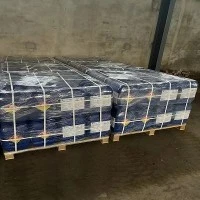
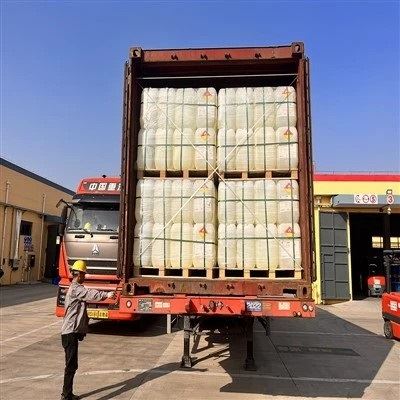
Packaging can be selected according to laboratory, pilot, or production requirements.
Moisture Protection
The selected package should maintain a sealed environment throughout storage and transportation.
Order Details
Confirm purity, quantity, packaging, documentation, and any required analytical tests before order processing.
Frequently Asked Questions
Q: What is the CAS number of 3-(Trifluoromethyl)benzoyl Chloride?
A: The CAS number is 2251-65-2.
Q: What is the molecular formula and molecular weight?
A: The molecular formula is C₈H₄ClF₃O, with a molecular weight of 208.56 g/mol.
Q: What type of chemical is it?
A: It is an aromatic acyl chloride with a trifluoromethyl group at the 3-position of the aromatic ring.
Q: What is it used for?
A: It is used as an acylating intermediate for introducing a 3-(trifluoromethyl)benzoyl group into suitable organic synthesis routes.
Q: What are the key physical properties?
A: The reported boiling point is 184–186°C at 750 mmHg, with a density of 1.383 g/mL at 25°C and a refractive index of 1.477.
Hot Tags: 3-(trifluoromethyl)benzoyl chloride, China 3-(trifluoromethyl)benzoyl chloride manufacturers, suppliers, factory